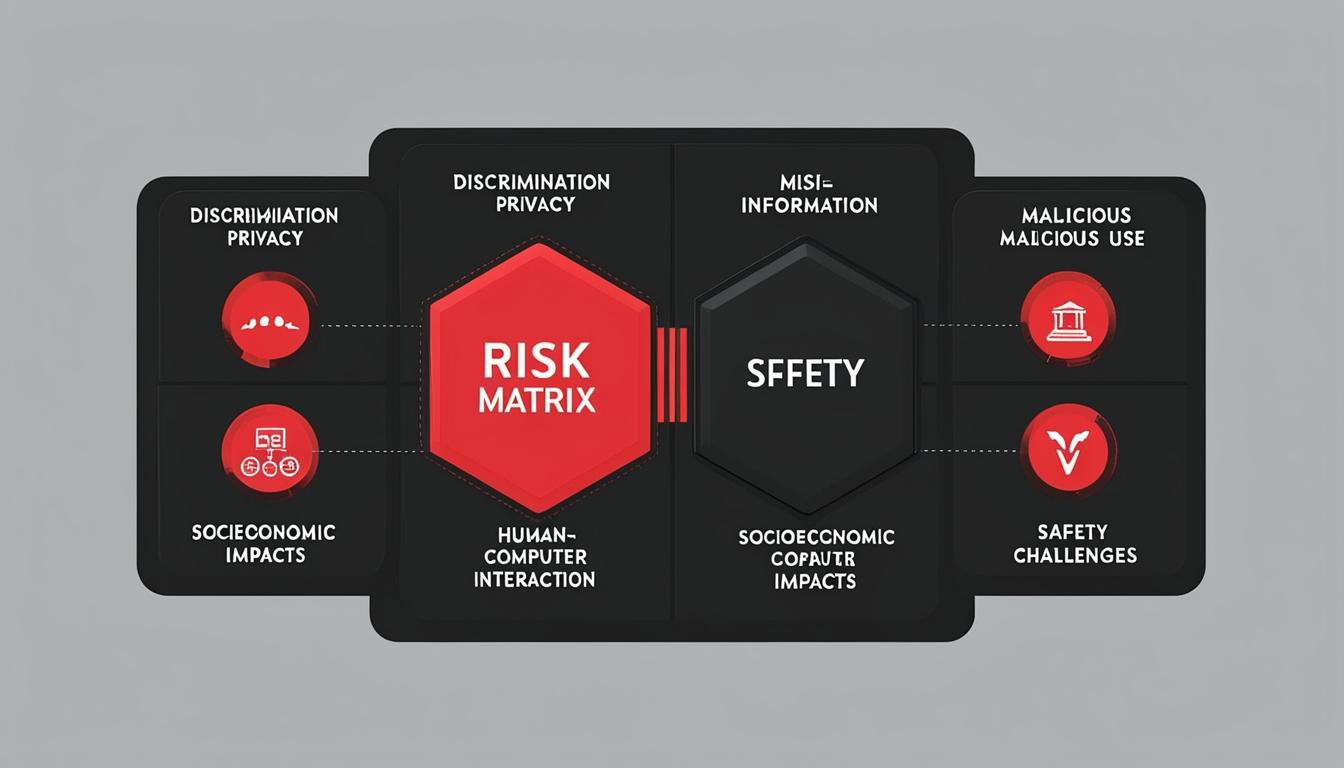
In a recent initiative to address the pressing concerns surrounding artificial intelligence (AI) within business contexts, researchers from the Massachusetts Institute of Technology (MIT) have introduced an AI risk matrix and an accompanying AI Risk Repository. These developments aim to provide a structured framework for understanding, categorising, and mitigating potential risks associated with AI technology, notably in manufacturing and other industries.
Engineers and organisations that are embarking on digital transformation efforts increasingly recognise the potential benefits of integrating AI features into their operations. However, concerns about the myriad risks posed by AI technology necessitate comprehensive strategies for risk management. The new AI risk matrix serves as a tool for engineers to evaluate these risks across various domains, ensuring that the adoption of AI aligns with organisational goals without incurring significant harm.
The framework categorises AI risks into seven distinct domains: Discrimination & Toxicity, Privacy and Security, Misinformation, Malicious Actors and Misuse, Human-Computer Interaction, Socioeconomic and Environmental implications, and AI System Safety, Failures and Limitations. Each of these domains encompasses important subdomains that detail specific concerns.
The Discrimination & Toxicity domain highlights issues related to unfair treatment and exposure to harmful content. AI systems can inadvertently perpetuate inequality or present users with inappropriate information, which can lead to reputational damage for businesses and possible legal ramifications. The societal risks in this domain include the potential for systemic discrimination against certain groups.
Privacy and Security is another critical domain, where risks arise from data breaches and the compromise of sensitive information. These failures can result in significant business impacts, such as financial penalties and damage to confidential intellectual property. Society at large may also bear the consequence of diminished privacy and increased vulnerability to identity theft or data exploitation.
The third domain, Misinformation, addresses the dangers of AI-generated false or misleading information. Such AI outputs can erode trust among employees and consumers and may create unsafe product designs, ultimately affecting public discourse and societal cohesion.
The role of Malicious Actors and Misuse is underscored in the matrix, where AI may be employed for disinformation campaigns or cyberattacks. The implications can be dire, leading to business disruptions and potential bankruptcy while undermining societal stability through manipulation of public opinion or behaviors.
Human-Computer Interaction acknowledges the risks associated with users over-relying on AI technologies. This domain warns against the erosion of human agency as critical decisions may be lessens or diminished by AI interventions, potentially leading to dangerous outcomes and loss of interpersonal connections.
The Socioeconomic and Environmental domain outlines how the centralisation of AI-driven power could exacerbate existing inequalities and lead to declines in job quality. This domain raises concerns regarding the economy's reliance on AI systems, which might diminish the value placed on human efforts and innovation.
Finally, the AI System Safety, Failures and Limitations domain encompasses risks related to AI behaviours misaligned with human goals, the development of potentially hazardous capabilities, and the lack of transparency in AI decision-making processes. Each of these attributes raises critical questions regarding the reliability and ethical use of AI systems.
While it is not expected that every digital transformation initiative will encounter risks from each identified subdomain, the AI risk matrix provides essential guidance for teams striving to assess and address the multifaceted challenges introduced by AI integration. By embracing this structured approach, organisations can better manage their risk profiles, ensuring that their digital transformations are both innovative and responsible, thereby safeguarding their business interests and societal responsibilities.
Source: Noah Wire Services