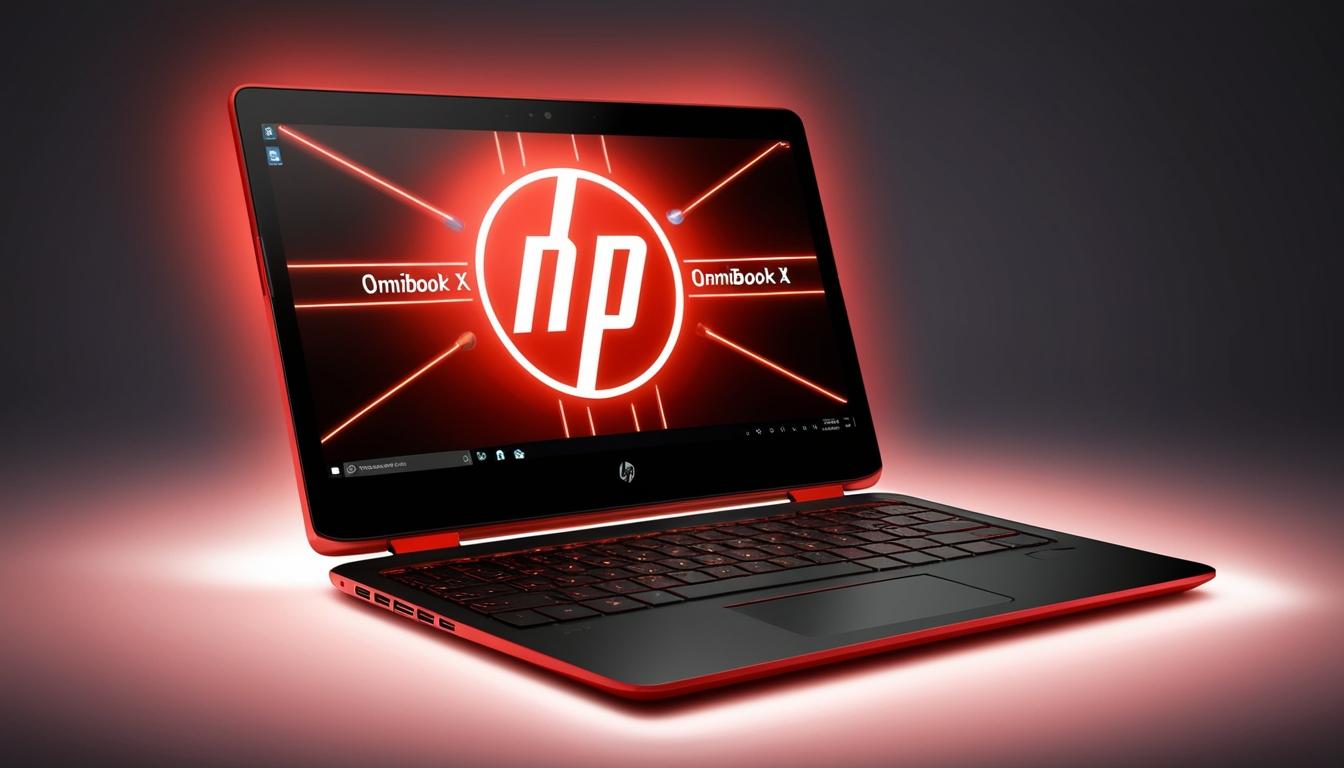
In recent developments, the integration of artificial intelligence (AI) into business practices has gained significant momentum, particularly in the field of technology. Companies are increasingly looking to harness AI to enhance user experience, streamline operations, and foster productivity. One notable example of this trend is HP's launch of the Omnibook X, a 14-inch touchscreen laptop designed to incorporate AI capabilities. This model is crafted for users seeking to simplify their daily tasks through technological innovation.
Set against a backdrop of burgeoning interest in AI, the Omnibook X is positioned as a tool that learns from user behaviours and preferences. By analysing usage patterns, the laptop is engineered to reduce the number of steps required to accomplish tasks. This reflects a broader tendency within the industry to focus on user-centric applications of AI, aiming to create products that not only meet user expectations but also adapt to their specific needs.
The significance of this development extends beyond HP and its new product. Other brands within the technology sector have also expressed a strong commitment to AI integration, eager to leverage the benefits of this evolving technology. With competitive advantages to be gained, the incorporation of AI into laptops and other devices is seen as a key differentiator in the market.
Industry forecasts indicate that this trend is likely to continue to rise, with AI expected to play an increasingly prominent role in business operations and innovative product development. The shift towards automating mundane tasks and streamlining workflows presents companies with opportunities to enhance efficiency and increase productivity, potentially leading to a transformative impact on both individual and organisational performance.
The ongoing integration of AI in business practices is not without its complexities. While many discussions focus on the benefits of such technologies, there are also concerns regarding ethical implications, privacy considerations, and the potential disruption of job markets, particularly in creative industries. As AI intertwines more deeply with various sectors, it will be crucial for organisations to navigate these challenges thoughtfully.
In summary, the trend of AI integration in business is reshaping the landscape of technology and user interaction. With the introduction of products like HP's Omnibook X, organisations demonstrate a practical application of innovation aimed at enhancing productivity and personalisation. This progress is part of a larger narrative that continues to evolve, reflecting both the potential benefits and challenges that AI introduces into contemporary business practices.
Source: Noah Wire Services