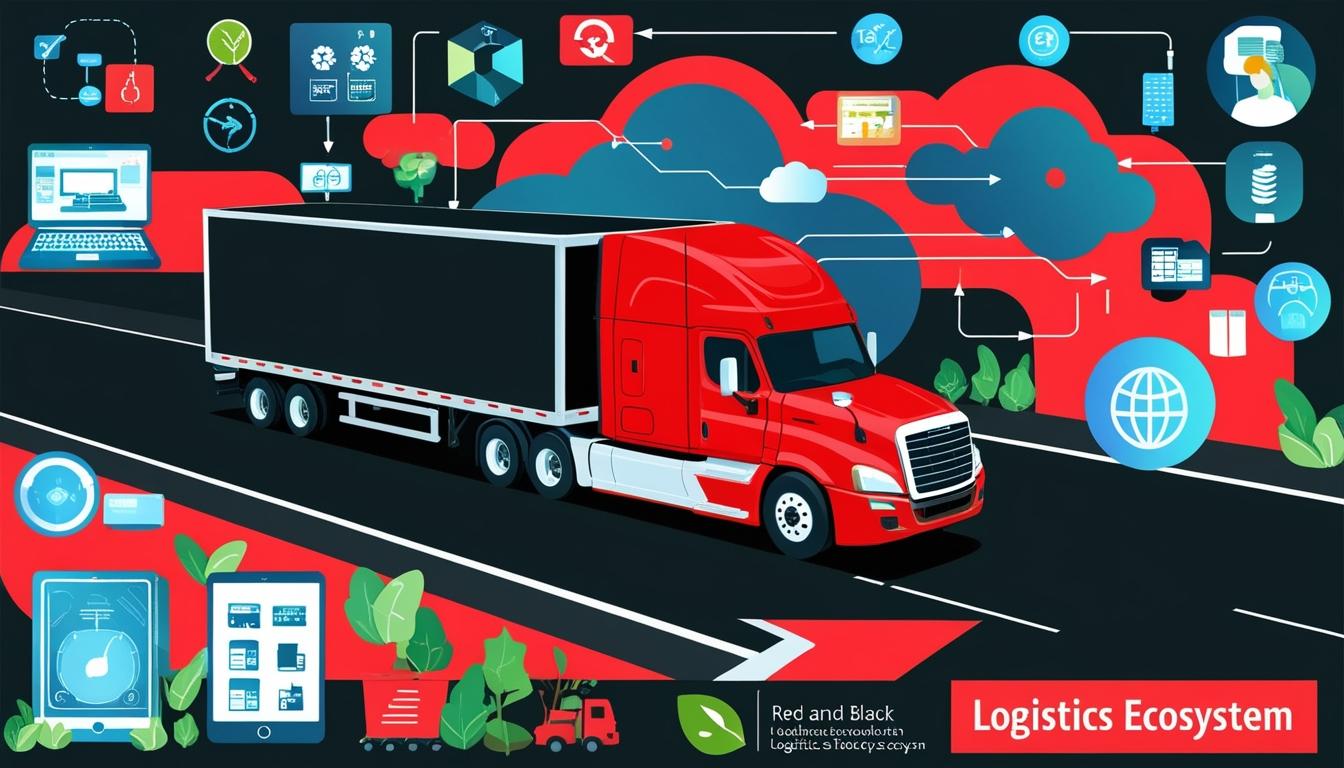
In recent years, the freight logistics industry has increasingly focused on integrating sustainable practices into its operations, driven largely by the need to combat climate change and the potential for significant cost savings. As one of the sectors responsible for a considerable proportion of global greenhouse gas emissions, freight and transportation companies are exploring innovative methods to reduce their environmental impact while also maintaining their bottom line.
This convergence of sustainability and cost-efficiency reveals itself in various strategies and technologies being adopted across the industry. Emphasising the intrinsic connection between sustainability and the reduction of operational expenses, freight companies are discovering that implementing environmentally friendly practices can lead to enhanced operational efficiency and financial savings.
One prominent area of focus is the reduction of fuel consumption. By utilising advanced route optimisation techniques, freight firms can determine more efficient travel paths that minimise fuel usage. The current advancements in GPS technology, combined with real-time tracking capabilities, enable these companies to sidestep traffic congestion and reduce idle time, thereby cutting down on fuel expenditures and overall operational costs.
Backhaul strategies are also emerging as a crucial method for maximising truck capacity and reducing unnecessary travel. By effectively utilising return trips for transporting goods, companies reduce the phenomenon known as "empty miles"—the distance that trucks travel without a load—consequently saving on fuel while increasing the efficiency of their fleets.
Further supporting this shift are energy-efficient technologies, including electric and hybrid trucks, as well as various alternative fuel options. Companies such as Ofload in Australia are leading the charge toward zero-emission freight, positioning themselves as pioneers in the sustainable logistics space.
Collaboration among freight carriers is another significant trend aiding in cost reduction. By partnering with other logistics providers, companies can streamline their operations, optimise shared routes, and collectively reduce the incidence of empty miles. This collaborative approach not only enhances resource allocation and efficiency but also fosters a more sustainable operational framework.
The influence of technology on sustainable practices cannot be understated. Freight companies are increasingly leveraging digital platforms, fleet management systems, and data analytics to amplify efficiency. Tools such as predictive analytics can empower logistics providers to anticipate demand more accurately and plan their routes accordingly, ensuring that trucks are loaded optimally. Real-time tracking capabilities allow for immediate rerouting when necessary, thus avoiding inefficient detours that can incur additional costs.
Moreover, automated load matching systems effectively connect available trucks with cargo, further reducing the frequency of empty miles and enhancing fleet productivity. The strategic incorporation of these technologies not only leads to a more efficient and sustainable freight operation but also aligns with the industry's broader goal of decreasing its environmental footprint.
As the freight logistics sector continues to evolve, it is evident that the adoption of sustainable practices is not merely a trend but a vital component of modern business strategies. By embracing these approaches, companies are poised to achieve substantial operational savings while concurrently making significant strides towards sustainability, ultimately shaping the future landscape of the industry.
Source: Noah Wire Services