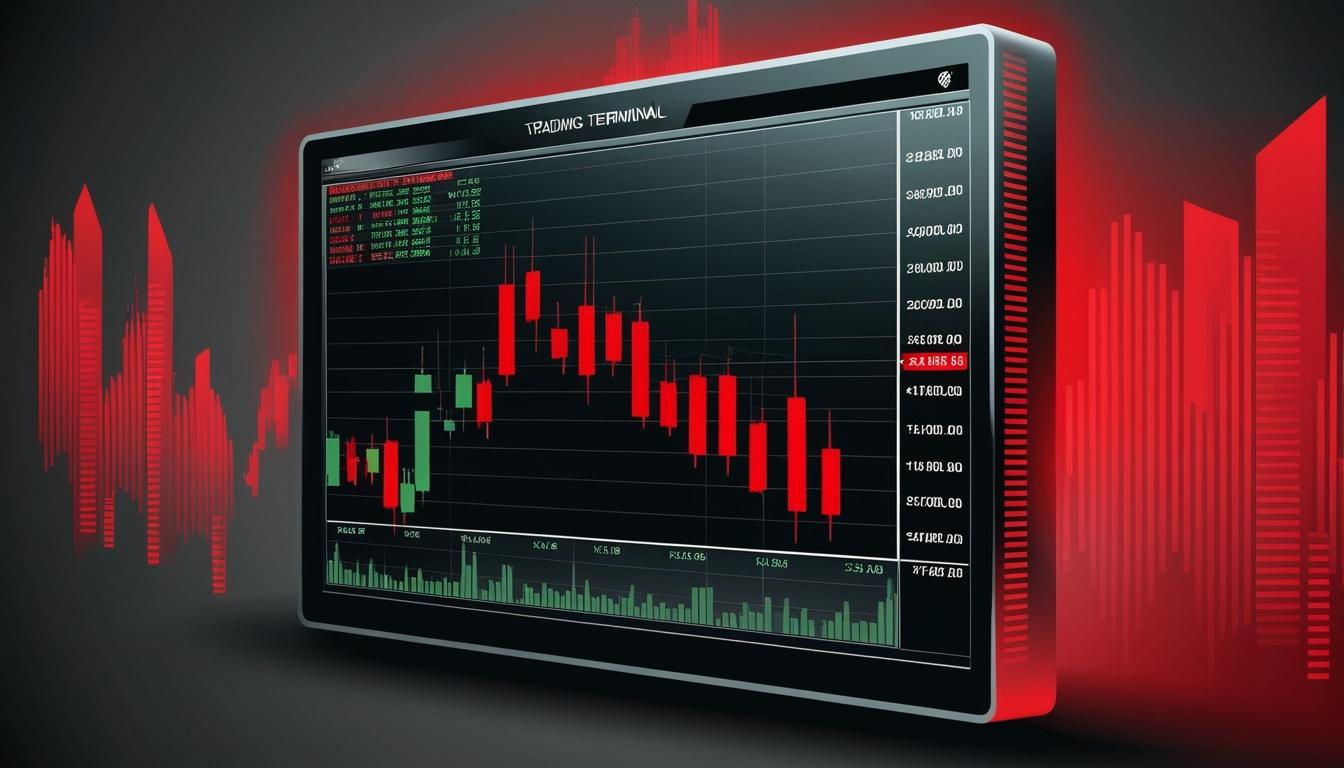
The emergence of electronic trading platforms marks a significant shift in financial markets, transforming how assets are bought and sold, and offering a fast-paced, efficient, and accessible trading environment. These platforms have facilitated transactions across various asset classes, including stocks, commodities, foreign exchange, and cryptocurrencies, redefining engagement for retail traders, institutional investors, and financial institutions alike.
An electronic trading platform is characterised as an online system that permits users to execute financial transactions across multiple markets. This modern approach eliminates the traditional reliance on physical presence or direct communication with brokers, enabling a streamlined trading experience. The pivotal advancements in technology, particularly the ubiquity of the internet, have made it possible for both retail and institutional traders to access these systems anytime, anywhere.
The evolution of these platforms can be traced back to the 1970s with NASDAQ, the first stock exchange to facilitate electronic trading. However, it wasn’t until the 1990s and the widespread adoption of the internet that electronic trading escalated dramatically. By introducing retail investors to direct access to market trading through platforms like E*TRADE and Charles Schwab, the landscape changed fundamentally. Currently, the rise of other platforms such as Robinhood, Coinbase, and MetaTrader 4 has further simplified trading, catering to millions globally.
The functionality of electronic trading platforms is primarily based on the connection they create between buyers and sellers in a digital marketplace. They employ sophisticated algorithms alongside real-time market data and analytical tools to ensure efficient transaction execution. Key functionalities typically include order execution processes, access to historical and real-time market data, risk management features, and advanced charting and technical analysis tools.
One of the dominant advantages of these platforms lies in their accessibility and convenience. Users can engage in trading with just a few clicks from various devices without needing to be near a traditional exchange or reliant on brokers. Moreover, the instantaneous nature of order execution enables traders to capitalise on market movements effectively, particularly in volatile conditions. High-frequency trading (HFT), which allows for multiple transactions to be executed within microseconds, has further illustrated the efficiency offered by these platforms, often benefiting institutional investors seeking to maximise profits from minute market fluctuations.
Cost reduction represents another significant benefit. Electronic trading platforms have catalysed a shift away from traditional brokerage fees, which historically associated high commissions with trading activities. Platforms such as Robinhood and eToro have initiated commission-free trading models, democratizing access and reducing the financial barriers for individual traders. Additionally, enhanced transparency features provide users with access to real-time and historical data, encouraging informed decision-making without the opacity often present in traditional brokerage environments.
On a broader scale, the adoption of electronic trading has had profound implications for financial markets. Enhanced market liquidity has emerged due to better connectivity between participants. With a larger number of traders in the market, executing large trades has become less disruptive to asset prices, promoting efficient price discovery and lowering trading costs generally.
Furthermore, the rise of algorithmic and high-frequency trading has created a more efficient trading landscape but has also prompted concerns regarding market volatility and stability. Instances of flash crashes, linked to rapid trading activity driven by algorithms, highlight potential challenges as markets incorporate these technologies into their operations.
The ecosystem surrounding traditional brokers and exchanges has also undergone a transformation; many have upgraded their systems or shifted towards online trading services to maintain relevancy in a changing landscape. Traditional exchanges, including the NYSE and LSE, have adopted electronic trading configurations, responding to the competitive pressures from new market entrants.
Looking ahead, the future of electronic trading platforms is poised for further evolution, largely driven by advancements in artificial intelligence (AI) and machine learning. These technologies are predicted to enhance analytical capabilities, allowing traders to identify market trends and patterns that might elude human observation. Concurrently, the integration of blockchain technology into trading platforms is on the rise, particularly concerning the growing cryptocurrency market, promising enhanced transparency and security.
It is also expected that regulators will impose stricter regulations and security measures due to the increasing prevalence and complexity of electronic trading platforms. Protecting investors from potential cyber threats, as well as ensuring stable market operation, will likely demand heightened scrutiny from regulatory bodies.
In conclusion, electronic trading platforms have fundamentally altered the landscape of financial trading, offering enhanced efficiency, accessibility, and lower costs. Their impact is expansive, increasing market liquidity and transforming traditional trading practices. As technology progresses, these platforms are anticipated to advance further, indicating a transformative trajectory for the global financial markets with continuous opportunities for investors at all levels.
Source: Noah Wire Services