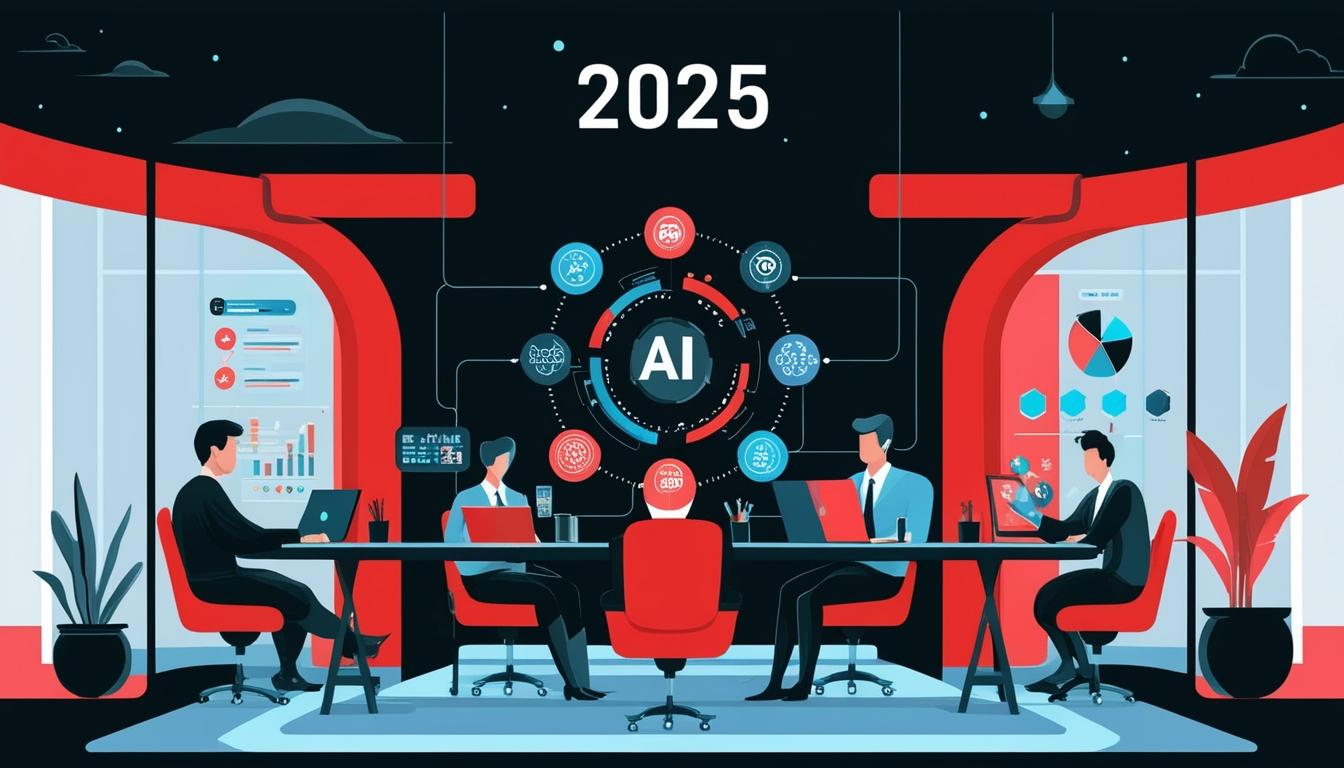
The landscape of business practices is undergoing a significant transformation due to the rapid advancements in artificial intelligence (AI) and automation technologies. As organisations gear up for 2025, the demand for a diverse set of skills in these areas is becoming increasingly apparent. This evolution is driven by an increasing need for efficiency, enhanced decision-making, and the adaptation of new technologies within the workplace.
AI, alongside its variant Generative AI (GenAI), is at the forefront of this transformation. Notable tools such as ChatGPT and DALL-E are helping to optimise creative processes and automating routine tasks, thereby reshaping how professionals engage with technology. According to a survey by PwC, a substantial 70% of business leaders foresee AI becoming integral to their operations within the next few years, with projections indicating that the AI market could grow to an estimated $190.61 billion by 2025, reflecting an impressive compound annual growth rate (CAGR) of 37.3%. Professionals who are proficient in integrating AI solutions into their workflows are positioned to be highly competitive in the evolving job market.
Alongside AI, data analysis is emerging as a pivotal skillset. Proficiency in tools like SQL, Power BI, Python, and machine learning is increasingly necessary for extracting actionable insights from the vast amounts of data generated by businesses today. A report from LinkedIn forecasts a 28% increase in data-related job roles within the next five years, underscoring the growing reliance of companies on skilled data analysts to inform strategic decisions.
The shift towards cloud computing continues to impact business operations significantly, particularly as more companies adopt remote and hybrid work models. Major cloud service providers, including Amazon Web Services (AWS), Oracle, and Google Cloud, are essential for maintaining competitive operations. According to Gartner, global spending on public cloud services is expected to soar to $600 billion by 2025, up from $480 billion in 2022, illustrating a marked increase in demand for cloud computing expertise.
As organisations leverage technology for operational efficiencies, the focus on cybersecurity has intensified. With a projected global spending forecast of over $1.75 trillion dedicated to cybersecurity from 2021 to 2025, professionals with expertise in identifying vulnerabilities and managing risks are increasingly crucial. The adoption of security frameworks such as Zero Trust reflects the shifting priorities in safeguarding data and ensuring business continuity in an interconnected digital landscape.
Notably, the importance of soft skills, including emotional intelligence and adaptability, remains paramount. As hybrid work environments become the norm, capabilities such as empathy and effective communication are essential. Creativity and innovative problem-solving are distinctly human traits that automation technologies cannot replicate, making these skills highly sought after.
An emerging trend within industries is the increasing focus on sustainability and ethical practices. Companies are prioritising professionals who are knowledgeable about environmental, social, and governance (ESG) principles. Expertise in sustainable technologies and the ethical deployment of AI are becoming key differentiators for businesses aiming to align their operations with global sustainability goals.
The AI-driven predictive maintenance market is another area projected for notable growth, with estimates indicating an increase from $0.76 billion in 2023 to $1.56 billion by 2028, reflecting a CAGR of 15.5%. This growth can be attributed to the rising demand for predictive maintenance solutions, driven by the aging infrastructure and complexities within various industries. The integration of AI with technologies such as 5G is set to further enhance operational efficiencies through better equipment management and predictive analytics.
As the professional landscape continues to evolve, mastering a blend of technical skills and human-centric abilities will be essential for professionals looking to maintain relevance and competitiveness in their respective fields. With the future of work continuously in flux, organisations and individuals alike must stay attuned to these emerging trends to navigate the complexities of the new workplace environment.
Source: Noah Wire Services