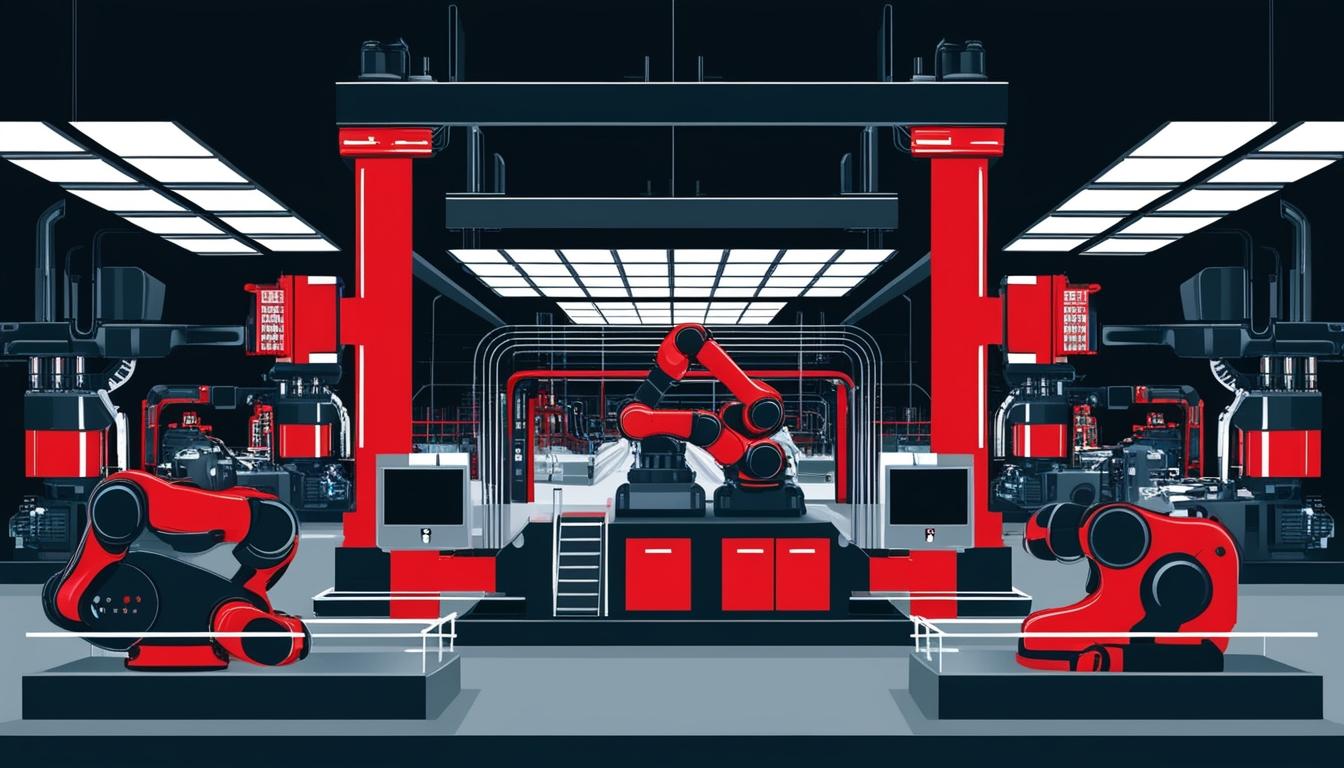
The manufacturing industry is undergoing a significant transformation driven by advancements in technology, sustainability initiatives, and evolving consumer expectations. This evolution is not only changing how products are made but also impacting the broader economy and societal practices. Key trends such as automation, smart manufacturing, and a shift towards environmentally friendly practices are reshaping the landscape.
Automation and robotics have become integral to modern manufacturing processes. These technologies enhance operational efficiency by performing repetitive tasks with greater speed and precision than human workers. This shift allows companies to redirect human resources towards innovative product development and process improvements, transforming factories into safer and smarter workplaces. For instance, robots are increasingly deployed in hazardous environments, handling heavy machinery and materials to mitigate risks associated with human involvement.
Another pivotal trend is the emphasis on sustainability. Many manufacturing firms are prioritising eco-friendly practices by reducing waste, conserving energy, and utilising sustainable materials. Notable examples include companies like Melaleuca, which has transitioned from a modest start-up to a leader in health and wellness products, offering over 400 items while adhering to sustainable principles. The integration of recycling, energy-efficient technologies, and the adoption of renewable energy sources like solar and wind power mark a significant shift towards greener operations. These efforts not only contribute positively to the environment but also resonate with consumers who prefer brands that demonstrate social responsibility.
Smart manufacturing approaches are revolutionising production methods through the implementation of connected devices and real-time data analysis. This technology enables manufacturers to monitor production in real-time, promptly address issues, and enhance product quality. For example, sensors embedded in equipment can signal maintenance needs, thereby reducing downtime. Cloud-based solutions facilitate the storage and analysis of vast amounts of production data, allowing for informed decision-making and heightened competitiveness.
Moreover, additive manufacturing, commonly known as 3D printing, is altering traditional production methods by allowing manufacturers to create products layer by layer. This technology is particularly efficient for producing custom or low-volume items, which reduces material waste and accelerates time-to-market. Industries ranging from automotive to healthcare are leveraging 3D printing for creating bespoke components, contributing to the growing trend of product personalisation.
The landscape of data analytics in manufacturing is also evolving. Advanced analytics capabilities enable companies to discern patterns, forecast trends, and refine production processes, leading to cost reductions. Predictive analytics is increasingly being employed to preempt equipment failures and enhance operational efficiency, while customer data analysis allows businesses to tailor their products in response to market demand.
Localization of production is another emerging trend, where manufacturers are establishing facilities closer to their consumer base. This strategy effectively reduces shipping costs, shortens delivery timelines, and strengthens supply chain reliability. For instance, a company operating in the United States may choose to manufacture products domestically rather than outsourcing production overseas, thereby benefitting local economies and reducing carbon emissions associated with long-distance transportation.
The trend of customisation in products is gaining traction, as consumers increasingly demand personalised experiences. The combination of data analytics and advanced manufacturing technologies like 3D printing enables manufacturers to deliver tailored solutions to their customers, enhancing satisfaction and engagement.
In conjunction with technological advancements, the necessity for enhanced worker training is paramount in adapting to new industry standards. Companies are investing in comprehensive training programmes that leverage virtual and augmented reality to prepare employees for the complexities of operating advanced machinery and systems. This approach bolsters safety protocols and promotes productivity.
The collaborative nature of the manufacturing industry is also on the rise. Manufacturers are forming partnerships with technology providers, research institutions, and even competitors to accelerate innovation. Collaborations between car manufacturers and technology firms, for example, aim to develop more efficient electric vehicles, illustrating that collective efforts can yield transformative industry advancements.
On the content creation front, artificial intelligence (AI) is revolutionising how creators produce and share media. Streamers are leveraging AI tools to enhance creativity and increase efficiency across their processes. These tools assist in video production, automating editing tasks, and freeing creators to focus on content generation. AI-generated personalised content recommendations are reshaping audience engagement strategies, improving viewer retention and providing deeper insights into preferences and behaviours.
The integration of AI extends to real-time audience interaction and content moderation, enabling creators to maintain community standards while ensuring a safe and engaging environment for their viewers. Despite the numerous advantages AI offers, it also presents challenges such as data privacy concerns and the potential for job displacement. Moreover, as reliance on technology increases, maintaining a balance between automated processes and personal creativity will be essential.
In conclusion, the manufacturing industry is witnessing a renaissance characterised by technological advancements, heightened sustainability efforts, and enhanced consumer engagement strategies. The interplay of innovation and practical solutions is propelling businesses towards improved efficiency, environmentally responsible practices, and a greater focus on customer needs. These developments are indicative of a forward-looking industry poised to adapt and thrive in an increasingly competitive global landscape. As artificial intelligence shapes content creation and user engagement in the digital space, the impact of these trends will continue to resonate across multiple sectors, garnering attention for their role in rewriting the rules of modern production and media.
Source: Noah Wire Services