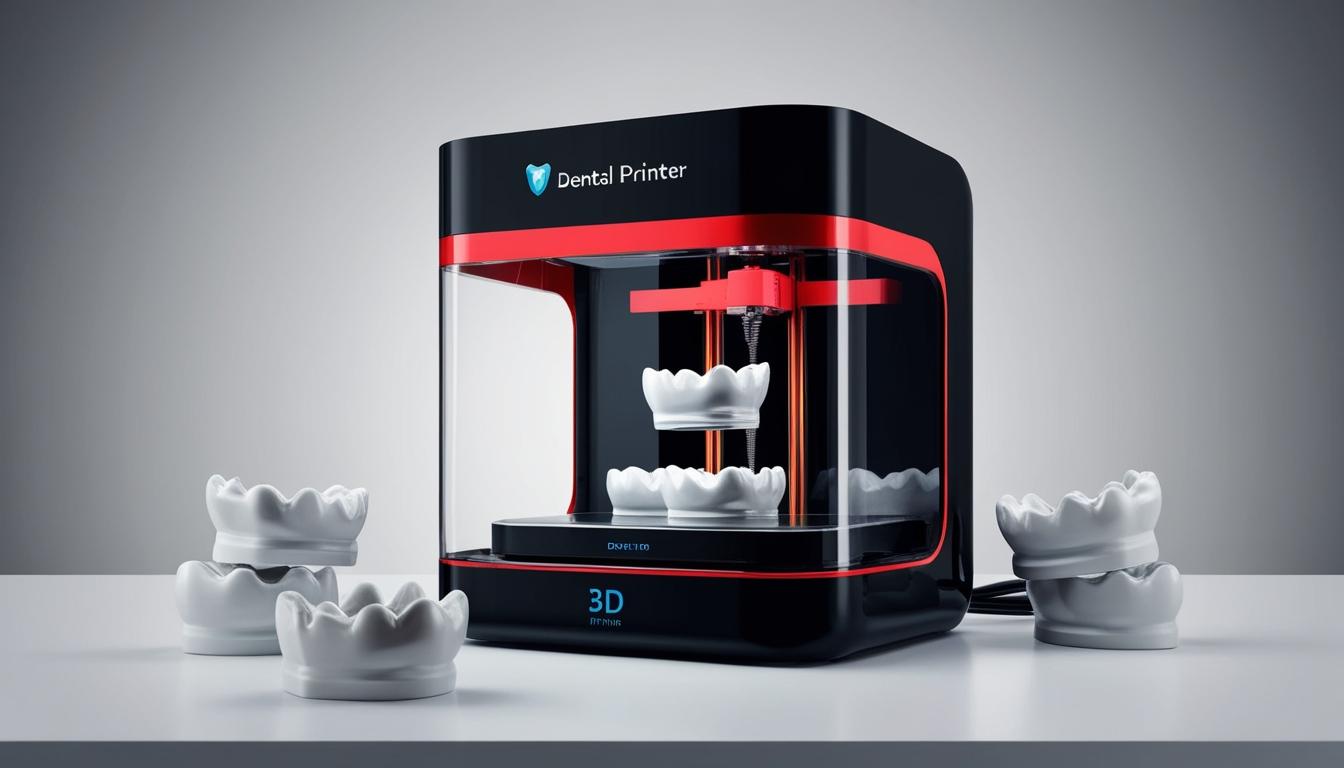
The dental industry is entering a significant phase of transformation, driven by rapid advancements in 3D printing technology. As of 2023, this technology is no longer seen as a novel approach but has firmly established itself as a fundamental component within dental practices and laboratories globally. The ongoing evolution is not just enhancing the efficiency of operations; it is also significantly reducing costs associated with dental procedures, allowing for high-precision applications such as dentures, crowns, and surgical guides to be made more accessible to a broader range of patients.
Recent market evaluations indicate that the dental 3D printing sector is valued at approximately $3 billion. This figure is set to increase dramatically, with projections estimating a rise to $8.1 billion by 2029. This growth corresponds to a compound annual growth rate (CAGR) of 19%, underscoring the expanding relevance and importance of this technology in the field.
Key developments shaping this landscape include the emergence of multi-material 3D printers, which enable the simultaneous production of various dental applications. This not only reduces the time and labour involved in creating these products but also significantly boosts overall productivity. Expectations for personalised dental solutions have risen, with the demand for custom-fit orthodontic devices increasing, further driving the adoption of this innovative manufacturing method.
Additionally, there is a noteworthy trend in integrating antimicrobial properties into 3D-printed dental products. This effort aims to enhance patient safety by significantly reducing potential bacterial growth. The incorporation of biotechnology into dentistry marks an important development, highlighting an industry-wide movement toward increased efficiency and enhanced precision in dental care.
Moreover, the trend towards in-house production using 3D printing technology is shifting the dynamics of dental practices. This transition reduces reliance on external manufacturing services, allowing dentists to provide quicker and more tailored solutions directly within their practices. Prominent industry players, such as Invisalign and SmileDirect, are adopting these technological advancements, which are expected to streamline service and deliver personalised patient care at an unprecedented speed.
The outlook for the dental sector, influenced by 3D printing, showcases not only a significant shift in operational practices but also a broader commitment to improving patient outcomes through innovative solutions. As the technology continues to evolve, so too will its role in reshaping the landscape of dental healthcare.
Source: Noah Wire Services