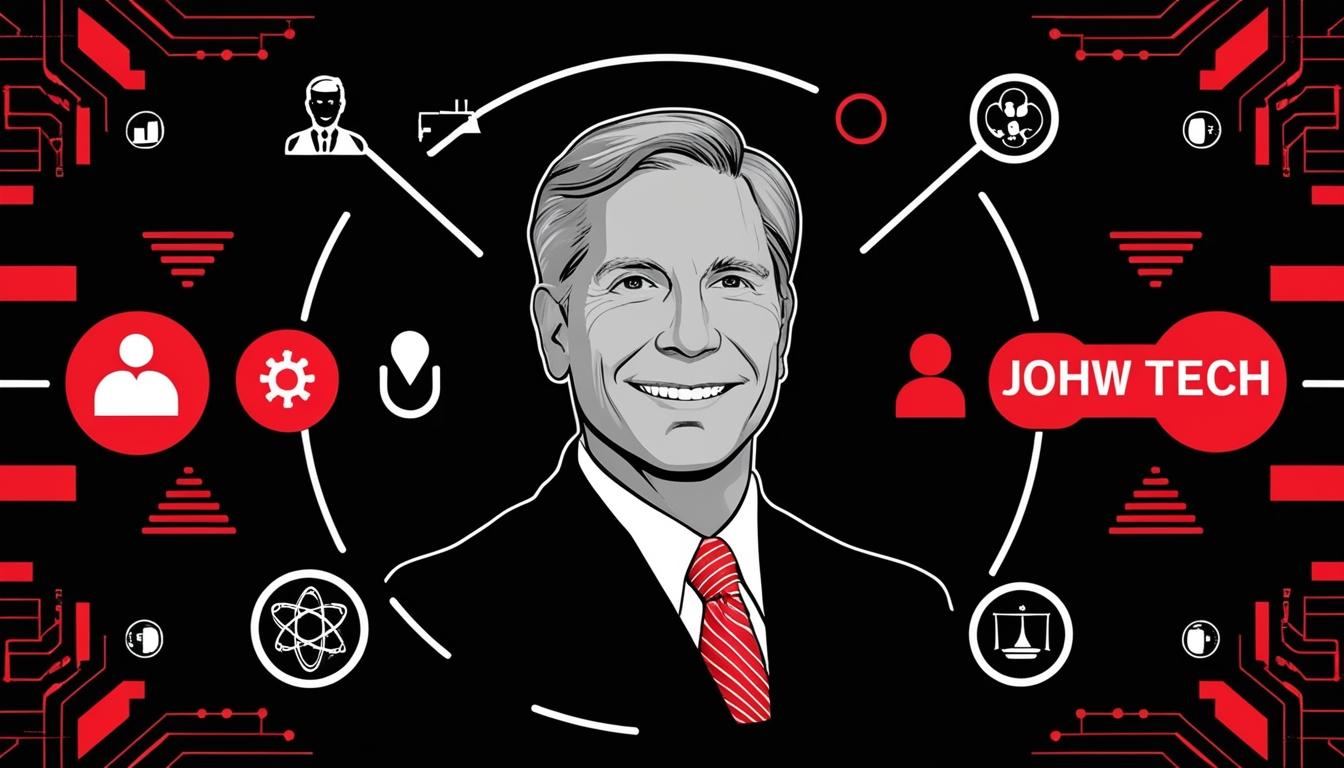
John Yates, a prominent figure in Atlanta's legal and technology landscape, has a lengthy history at the law firm Morris, Manning & Martin, where he has been instrumental since launching the firm’s technology practice in 1987. His extensive experience continues to shape the context of technology law as it intersects with fast-evolving sectors. Yates co-founded the Technology Association of Georgia (TAG), presiding over its growth into a significant ecosystem with 30,000 members, signalling the establishment’s influence in the tech community.
Yates began his career just as personal computing was on the rise, having graduated from Duke Law School in 1981—shortly before the announcement of the IBM PC. His sister's move to Silicon Valley to start a technology company concurrently fuelled his personal interest in the tech sector, setting the foundation for his distinguished career in technology law. During an interview, Yates reflected on his pride in being part of the tech community's formative years. He stated, "I’ve been very fortunate to be there right at the beginning," highlighting the collaborative spirit that defined the development of TAG and the tech ecosystem in Georgia.
His passion for technology law stems from the dynamic nature of the field, wherein technological advancements often outpace existing legal frameworks. "The technology is far ahead of the legal and policy developments," Yates explained. This reality, contrasted against more established bodies of law like real estate, presents unique challenges and exhilarating opportunities for legal professionals as they engage with contemporary issues that require adaptable legal solutions.
Recently appointed co-chair of Morris, Manning & Martin, Yates aims to strengthen the firm’s interconnectedness with the broader Atlanta community. He is focused on empowering the next generation of attorneys to become involved in local business organisations, fostering their professional growth and involvement in community initiatives.
Yates expressed his commitment to community involvement, underscoring both his love for Atlanta and his desire to effect tangible change within local organisations, such as the Woodruff Arts Center and the Atlanta Rotary Club. He noted that his network has expanded significantly through these efforts, allowing him to connect with diverse individuals and broaden his professional and social circle.
Looking towards the future of Georgia's technology ecosystem, Yates identified key avenues for growth and differentiation. He believes that leveraging existing assets—such as Georgia Tech and the state's universities—could enhance Georgia's status as a leader in technology innovation. Particularly, he highlighted the potential sector of generative AI, noting, “Georgia Tech produces more engineers in the AI area than any other university in the United States.” The unique blend of technological expertise and corporate interests in AI positions Georgia to potentially become a thought leader nationally or globally in the field.
Yates' forward-thinking perspective suggests a vision for transforming Atlanta into a hub of generative AI innovation, which could redefine the landscape of the state’s tech community for years to come.
Source: Noah Wire Services