Data science experts are navigating a complex landscape marked by various challenges in their projects, particularly in managing large datasets and ensuring model accuracy. Ranjith Gopalan, a data scientist involved in a sizeable project for an esteemed client in the North American insurance sector, exemplifies the innovative approaches being adopted to address such challenges.
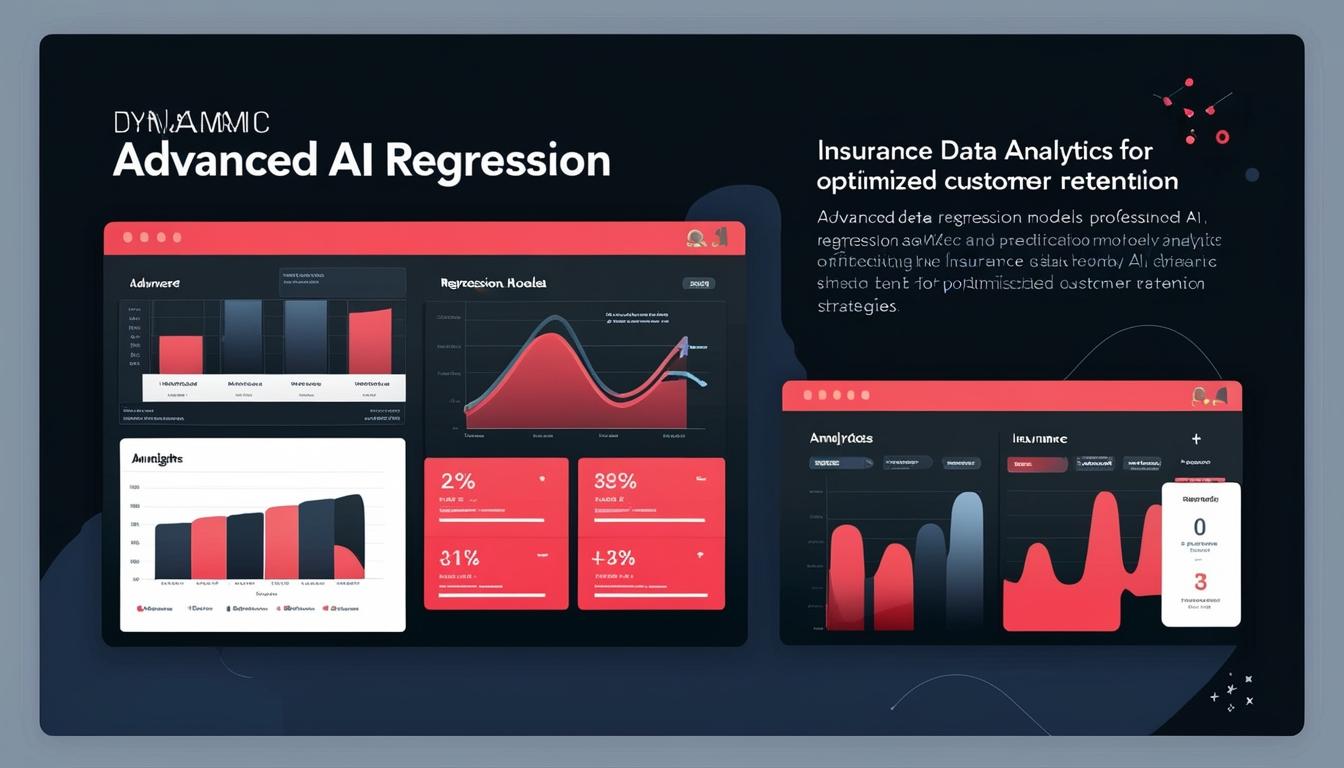
Gopalan’s project encompassed the insurance company's wide range of products, including home, auto insurance, and workers' compensation. His primary responsibility was to refine critical parameters integral to enhancing these products’ offerings. In the course of his work, Gopalan developed sophisticated regression models within machine learning and deep learning domains. He implemented a comprehensive AIML (Artificial Intelligence and Machine Learning) digital dashboard that streamlined tasks from data preprocessing to hyperparameter tuning, facilitating better management for data scientists. This dashboard, which integrates advanced AI features such as chatbots for generating information and large language models (LLMs) for data training and validation, played a pivotal role in Gopalan's efforts to improve predictive modelling.
With this dashboard, Gopalan created regression models capable of predicting total premiums for home and workers’ compensation policies. The dashboard allowed for experimentation with various regression techniques, enabling the identification of optimal models which achieved enhanced performance metrics—namely, higher R-Squared and Adjusted R-Squared values alongside lower Root Mean Squared Error (RMSE) and Mean Absolute Error (MAE) values. This outcome ensured precise premium predictions even with previously unseen data.
In addition to regression models, Gopalan also focused on classification tasks, developing models aimed at predicting customer acceptance of policies. This initiative not only provided insight into customer behaviour but also assisted the client in minimising overfitting by analysing unseen data. The insights gained from the classification models enabled the client to refine their business strategies to better retain customers and attract new ones.
A crucial feature of Gopalan's project was integrating these models into a user-friendly dashboard deployed within the client’s infrastructure. This interactive tool empowered the client's team to select the most effective models for both classification and regression needs, a significant advancement for their operations. The adoption of these predictive AI solutions has created substantial impacts within the client’s business framework.
Gopalan's regression model not only predicted total premiums across different insurance lines but also consolidated test data for internal teams responsible for quality assurance. The results from the classification model identified key consumer features influencing decision-making, which ultimately assisted in the retention of valuable customers and informed growth strategies.
This significant project involved a multidisciplinary team of over 15 professionals, including data analysts and application developers. Gopalan faced challenges such as managing multiple data sources, ensuring data quality, and addressing a shortage of skilled resources. To combat these hurdles, he leveraged data integration tools like Informatica and Oracle for data consolidation and implemented regular cleansing processes to maintain data integrity. A focus on upskilling existing personnel was also paramount to bridging the identified skill gap. In addition, robust data governance frameworks and encryption mechanisms were established to uphold data privacy and security throughout the project.
Another challenge encountered was the need for machine learning models to be interpretable and explainable, which Gopalan addressed by employing techniques like SHAP (SHapley Additive Explanations) and LIME (Local Interpretable Model-agnostic Explanations). These methodologies increased the transparency of models, enhancing stakeholder confidence and enabling informed decision-making. The incorporation of advanced data visualisation libraries such as D3.js and Plotly into the dashboard involved overcoming issues related to visual clarity and seamless integration within the existing network, thus ensuring that the dashboard remained user-friendly and provided real-time insights.
In summary, Gopalan's efforts have not only resulted in significant improvements in premium predictions and customer insights but have also bolstered operational efficiency, forming a vital part of the client’s evolving business strategies within the insurance domain. This project highlights the transformative potential of AI and data science in enhancing decision-making capabilities and streamlining business practices in the contemporary landscape.
Source: Noah Wire Services