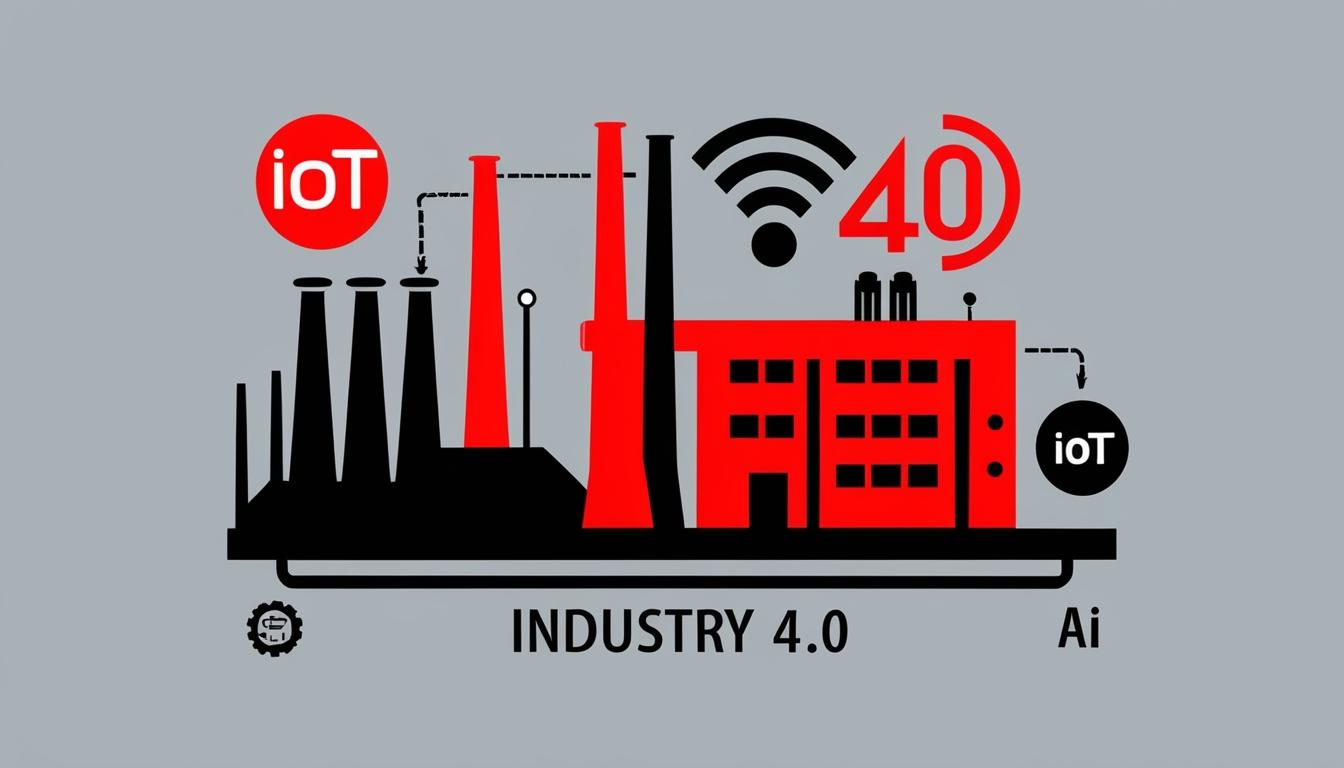
In the context of Industry 4.0, businesses are undergoing significant transformations, especially in manufacturing. As technological advancements reshape the landscape, manufacturers are adapting to new complexities concerning site selection. The incorporation of advanced technologies such as the Internet of Things (IoT), artificial intelligence (AI), and big data analytics has added layers of consideration that extend beyond traditional criteria.
Historically, manufacturers focused on the "three P's" of site selection: people, power, and place. However, the evolving operational landscape now requires a more nuanced approach. The need for larger and more specialised facilities has become paramount, as these advancements necessitate access to highly skilled labour, substantial power resources, and, increasingly, geographic diversification to enhance operational resilience.
As manufacturers grapple with the challenges posed by a global supply chain, there is a notable shift towards reshoring and nearshoring strategies. This trend is driven by a desire to streamline operations, mitigate risks associated with global logistics, and reduce shipping times. By redistributing their manufacturing footprints, companies can respond more effectively to market demands and enhance supply chain resilience.
The importance of adopting a thorough and analytical approach to site selection is underscored by industry experts. A comprehensive evaluation of all relevant factors empowers businesses to confidently navigate the rapidly changing manufacturing landscape. This balanced approach enables firms to address traditional site requirements while integrating cutting-edge technology needs, thereby ensuring they remain competitive in the face of ongoing technological disruption.
Manufacturers seeking assistance in navigating these complexities can refer to resources such as the guide titled "Solving the Land-Power-Labor Challenge," which outlines strategies for overcoming hurdles in identifying optimal locations for advanced manufacturing plants.
The evolving trends in AI and automation are expected to have a lasting impact on business practices, ultimately reshaping the future of manufacturing as companies strive to align with the demands of Industry 4.0.
Source: Noah Wire Services