The global Fintech in Insurance market is projected to experience significant growth in the upcoming years, according to a recent study conducted by HTF Market Intelligence. The report evaluates the market size, trends, and forecasts, indicating that the market, valued at approximately USD 26 billion in 2023, is anticipated to reach USD 120 billion by 2030, marking a compound annual growth rate (CAGR) of 21.07% during this period.
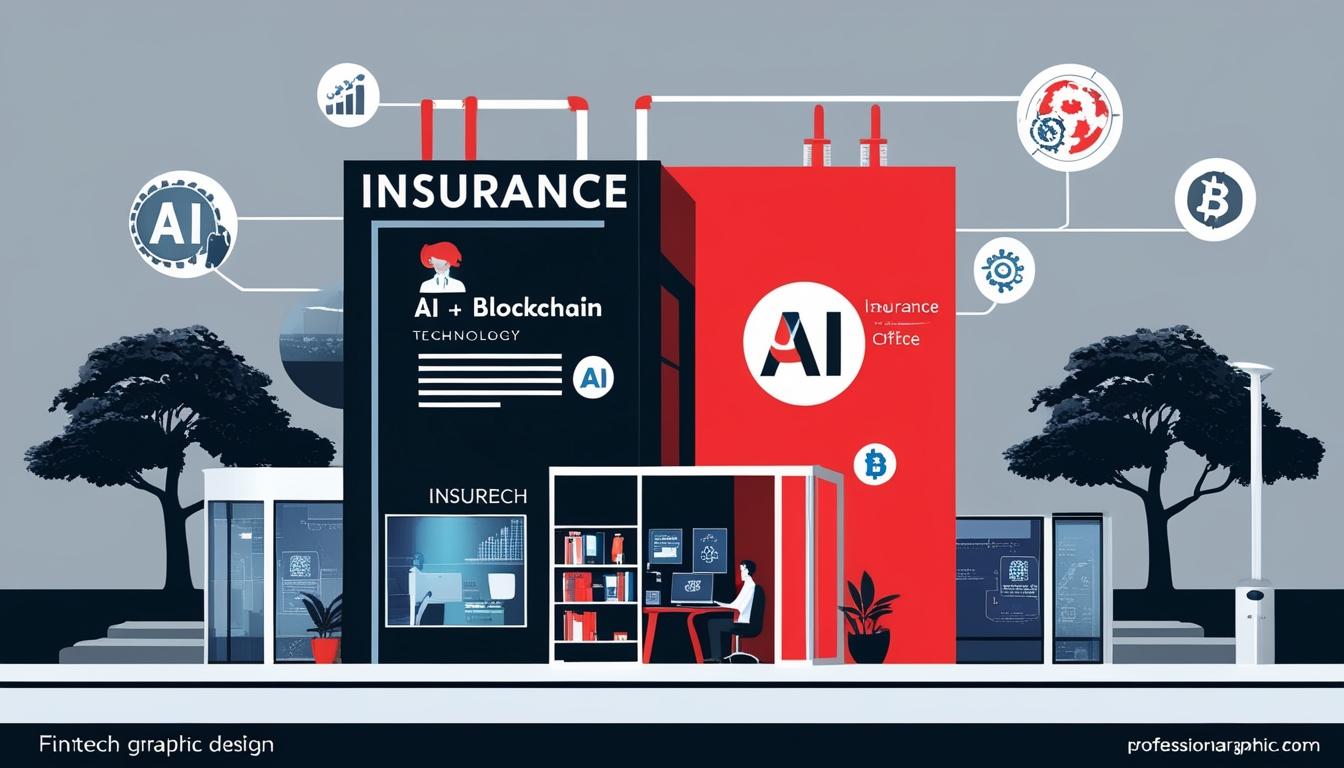
Fintech in the insurance sector refers to financial technology innovations that are transforming the way financial services are provided. These innovations are creating new opportunities while also presenting challenges for the insurance industry and regulators alike. The report outlines that technological advancements such as artificial intelligence (AI), blockchain, and robotic process automation (RPA) are becoming increasingly pivotal in enhancing efficiency and customer service within the sector.
Notable players in the Fintech in Insurance market include companies such as Next Insurance, Lemonade, Oscar Health, and Root Insurance. Their roles have been instrumental in pioneering product innovations aimed at enhancing customer experiences.
The Fintech in Insurance market is segmented based on various criteria, including application areas (such as consumer, industrial, and healthcare), types of insurance (like property and casualty, life insurance, and health insurance), and technology utilised (including IoT, blockchain, and AI). Moreover, the deployment modes are categorized into cloud-based and on-premise solutions, with geographic analysis covering regions such as North America, Europe, Asia Pacific, and the Middle East and Africa.
According to the study, North America leads the adoption of fintech in insurance, driven by rising demand across sectors that include oil, gas, and aviation. This growth is particularly evident within the property and casualty (P&C) insurance segment.
The report highlights several trends impacting the Fintech in Insurance market. A notable trend is the rising demand for blockchain technology, which is being recognised for its potential to streamline claims processing and payments. By leveraging AI, fintech companies within the insurance sector are automating previously inefficient processes, ultimately responding to evolving customer expectations for quick and personalised service.
As the landscape evolves, fintech innovations are also appealing to the digital-native generation, fostering a shift in how insurance products are marketed and tailored to meet their preferences.
The study also delineates opportunities for stakeholders, showing that as integrators of technology, fintech companies are not only addressing current market needs but are also shaping the future trajectory of the insurance industry.
Key objectives of the report include the examination of market size by value and volume, estimation of key segments' market shares, and an in-depth analysis of geographical contributions to the overall market growth. It aims to provide comprehensive insights into the current and future state of the Fintech in Insurance market, equipping stakeholders with necessary information to make informed business decisions.
Prominent questions posed by the report analyse the feasibility of long-term investments in the market, factors influencing demand, and the recent trends in regional markets. The comprehensive nature of the report positions it as a valuable resource for industry managers, analysts, and experts seeking to navigate the evolving insurance landscape reshaped by financial technology.
Source: Noah Wire Services