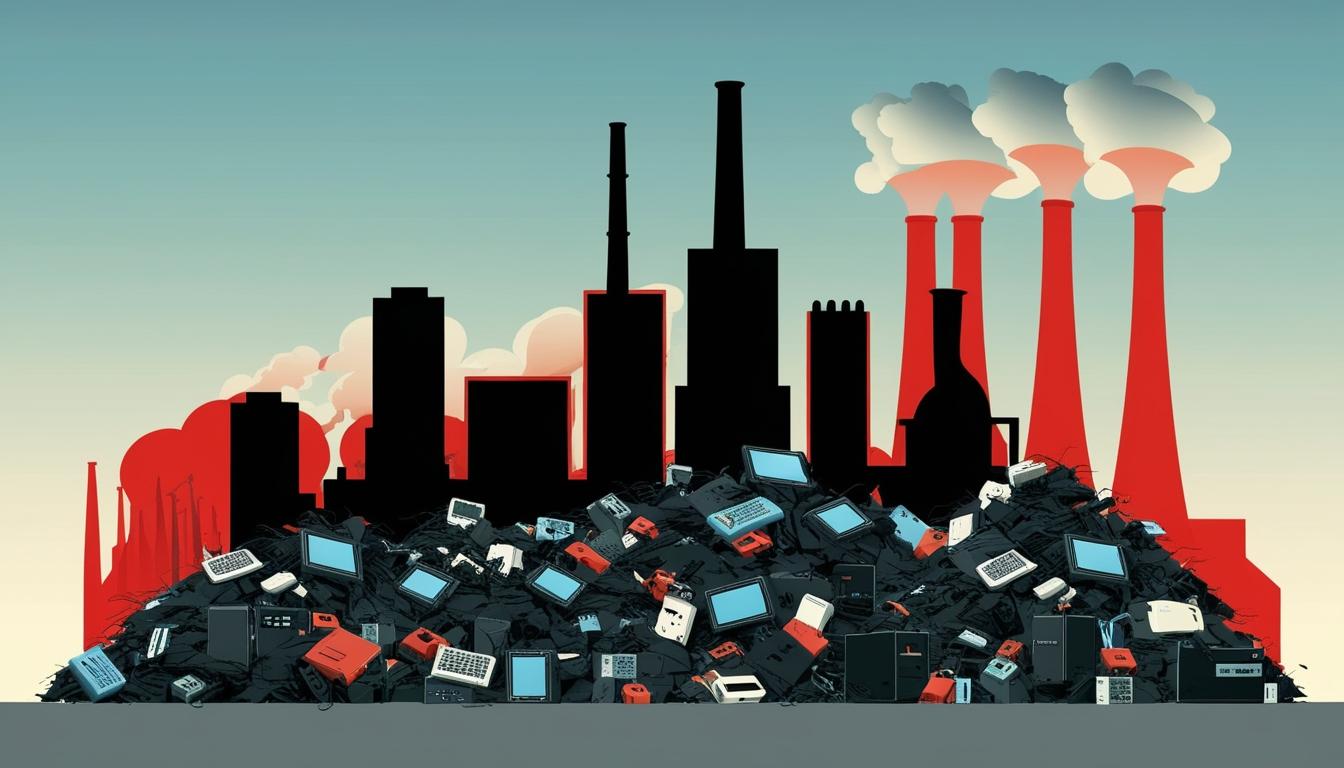
The global issue of electronic waste, commonly referred to as e-waste, has gained significant attention as dependency on technology continues to surge, both at home and in workplace environments. E-waste encompasses a vast array of discarded electrical devices including laptops, smartphones, televisions, medical equipment, and gaming consoles, among others. Recent research published in Nature indicates that the quantity of e-waste generated over the current decade could skyrocket to as much as 5 million metric tonnes, a staggering increase from past figures—projected to be approximately 1,000 times that which was produced in 2023.
The alarming rise in e-waste is largely attributed to the burgeoning field of artificial intelligence (AI), which necessitates substantial computing power and storage capabilities. As the demand for data processing increases, particularly through the implementation of AI systems, it is anticipated that this will accelerate the turnover of computer servers utilised in data centres. Consequently, this boom in e-waste could have profound implications for global sustainability goals.
Currently, e-waste is identified as one of the fastest-growing forms of solid waste, with a report from the Waste Electrical and Electronic Equipment (WEEE) forum citing that over 5 billion mobile phones are discarded annually. In 2022 alone, e-waste volumes reached a record 62 million tonnes, marking an 82% increase since 2010. Complicating matters is the fact that less than 20% of this waste undergoes formal recycling processes.
In terms of energy consumption, data centres and transmission networks collectively account for more than 1% of the world’s total energy usage and contribute to approximately 0.6% of global carbon emissions. A recent report from McKinsey indicates that by 2030, the power consumption specifically attributed to AI applications in the United States could escalate from 4% to a staggering 12% of current total power demand. Meeting these escalating energy needs may require investments exceeding US$500 billion (£395 billion) in data centre infrastructure—prompting major technology firms to explore alternative energy sources such as nuclear power.
The environmental ramifications of growing e-waste are substantial. Toxic materials contained in disposed electronic devices can leach into soil and water systems, while unregulated incineration of e-waste contributes to air pollution. Furthermore, recycling these materials poses significant challenges due to their hazardous nature. The cumulative increase in e-waste also risks undermining current efforts to reduce overall carbon emissions, potentially derailing progress toward vital sustainability objectives.
Health concerns associated with e-waste cannot be overlooked. Discarded electronics often possess carcinogenic substances, including polycyclic aromatic hydrocarbons (PAHs). Evidence links exposure to these toxic compounds with adverse health outcomes, such as low birth weight and reproductive issues in adults, with children being particularly susceptible due to their ongoing developmental processes.
The economic implications tied to e-waste are profound as well; the financial burden of cleanup is expected to rise. The informal recycling of e-waste results in a significant loss of economically valuable resources such as gold and platinum, which are critical to technological components.
The study from Nature employed “material flow analysis” to project future e-waste growth, outlining four distinct scenarios: “limited”, “conservative”, “moderate”, and “aggressive.” It presumes a three-year lifespan for data centre computer servers, basing its findings on historical usage data, and projects cumulative e-waste volumes ranging from 1.2 to 5 million tonnes between 2020 and 2030.
To address the issues posed by increasing e-waste, the study advocates for circular economy approaches that extend product lifespan and optimise material reuse. Strategies suggested include reusing components, enhancing the efficiency of AI operations, and developing more durable computer chips. It is estimated that such interventions could diminish e-waste by 16% to 86%.
Moreover, incorporating eco-friendly designs into electronic products—such as replacing harmful materials with biodegradable alternatives—could further mitigate environmental damage. Public awareness is pivotal in fostering a cultural shift away from the mentality of disposability, encouraging practices such as the donation of old devices and prioritising certified e-waste recycling services.
Effective management of e-waste necessitates proactive involvement from local and national governments in formulating policies and regulations aimed at minimising environmental impacts. These strategies include establishing standards for e-waste collection and efficient recycling and investing in the development of advanced recycling technologies to enhance safety and efficacy.
While e-waste generation cannot be entirely eradicated, especially as technological progress remains a key component of enhancing overall quality of life, focused efforts towards minimisation and impact mitigation are essential components for safeguarding public health, economic sustainability, and ecological integrity.
Source: Noah Wire Services