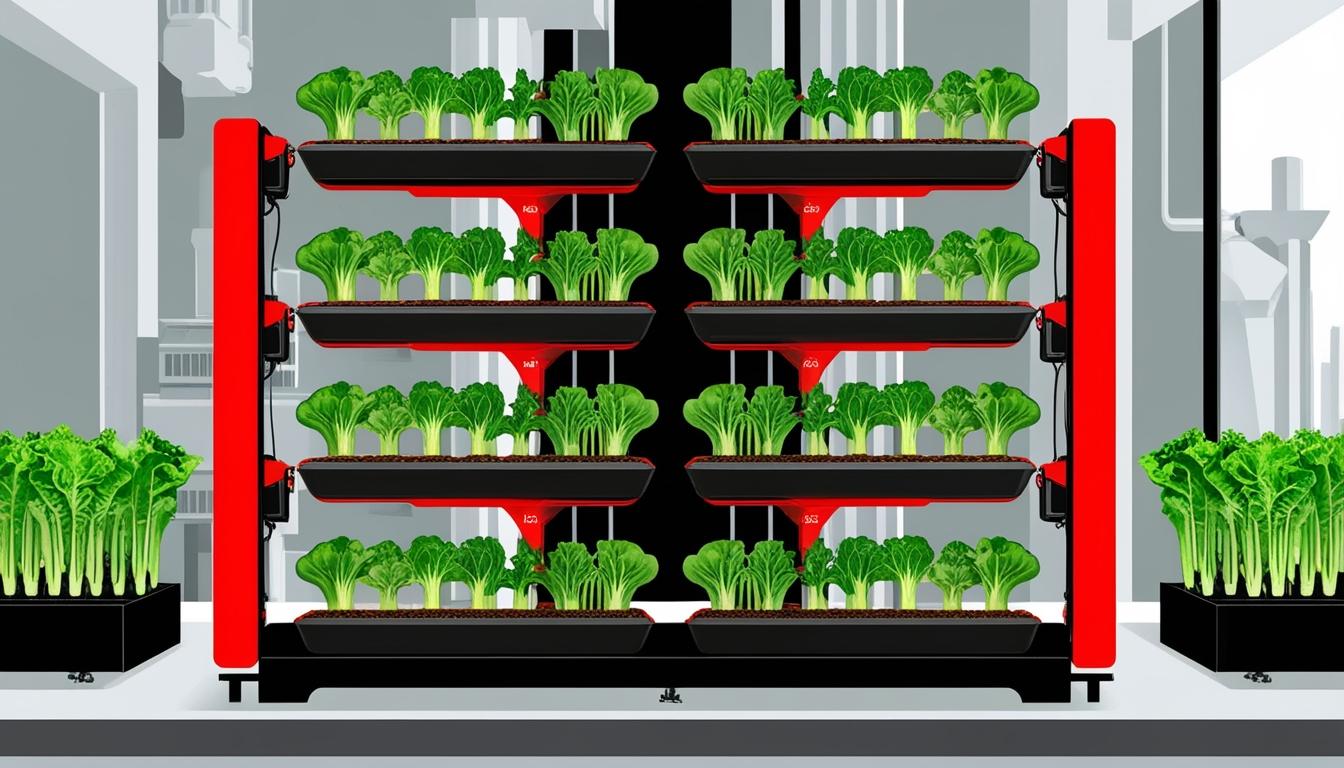
A team of researchers based in Bangalore has made significant strides in the realm of agriculture with the launch of an innovative farming system known as AutoGrow, which utilises artificial intelligence (AI) and machine learning (ML) to transform traditional farming practices. Designed as a fully automated solution, AutoGrow aims to minimise human intervention in the growth of plants, thereby presenting a sustainable and efficient alternative, particularly in regions affected by water scarcity and labour shortages.
AutoGrow operates on the principles of wick irrigation, a technique that conserves water usage by up to 60% when compared with conventional methods like drip and flood irrigation. The system is versatile, featuring three configurations: vertical setups, nutrient film techniques, and open-grow farming. “We are conducting case studies in these setups to analyse plant growth and other factors, all of which are controlled and monitored through an AI and ML-powered analysis engine,” explained Pavan Patil, General Manager of Lab Administration at the Institute of Information Technology Bangalore (IIIT-B).
The research team, comprising Patil, Phani Pavan, a Master’s student focusing on research, and Professor Ramesh Kestur from the Department of Data Science and Artificial Intelligence at IIIT-B, is particularly focused on empowering individuals, especially women, to engage in farming within their homes—whether in backyards or on terraces. This initiative enables urban dwellers to produce leafy vegetables, such as lettuce, with relative ease.
Patil further detailed the functionality of the system, stating, “Once the seeds are sown, the system takes care of the entire process, from watering to nutrient delivery. The AI-powered system notifies users when the crops are ready for harvest. This makes it highly beneficial in water-scarce areas and regions with labour shortages.” The inclusion of an AI and ML-powered analysis engine allows for real-time data collection and assessment via sensors set up in the growing environment. “We have uploaded predetermined data to the analysis engine, and it is now in the process of analysing it. This data-driven approach helps the system make decisions, such as opening and closing water valves automatically,” Patil noted.
The researchers have reached several milestones in their development journey, including successfully growing lettuce using the AutoGrow system. They possess a patented technology that safeguards their innovation from replication, which Patil confirmed: “It’s already patented, and nobody can copy it. We are now progressing toward gathering more data to improve the analysis engine.”
Setting up the AutoGrow system is both efficient and practical, with a straightforward installation process that takes only three days if all necessary equipment is on hand. The flexibility of the technology means it can accommodate a variety of crops depending on their specific growth requirements, aiming to enhance home gardening and urban farming initiatives.
With the potential to revolutionise agricultural practices, AutoGrow promises to automate critical processes such as irrigation, nutrient delivery, and crop monitoring. This automation serves to minimise resource waste while maximising agricultural yields. Designed for simplicity, the system enables users without prior farming expertise to engage in cultivation, as noted by Patil: “The AI and ML programs stored in the analysis engine analyse data and make decisions, ensuring optimal plant growth.”
By addressing prevalent issues such as water scarcity and labour shortages, AutoGrow not only enhances farming efficiency but also promotes sustainable practices within urban environments. Through its user-friendly design, the system aims to make agriculture more accessible, allowing communities to produce their fresh and healthy produce independently.
Source: Noah Wire Services