In the UK, a significant yet often overlooked segment of the economy is comprised of mid-market firms, which employ between 100 and 2,500 people. Recent findings reveal that these businesses, numbering around 13,000, could play a crucial role in enhancing national productivity and economic growth. According to reports by the Daily Mail, mid-market companies exhibit a growth rate that consistently exceeds the overall economy, contributing more than a quarter of the national turnover and providing over seven million jobs across the country.
Despite their critical contributions, mid-market firms frequently remain underappreciated by policymakers and financial institutions. They exist in a niche between dynamic start-ups and larger corporations, yet they have vast potential to bolster national prosperity. Research indicates that this sector could inject an additional £35 billion into the UK economy within the next five years, predominantly benefiting areas outside London and the South East, where around 70 per cent of this growth is expected to occur.
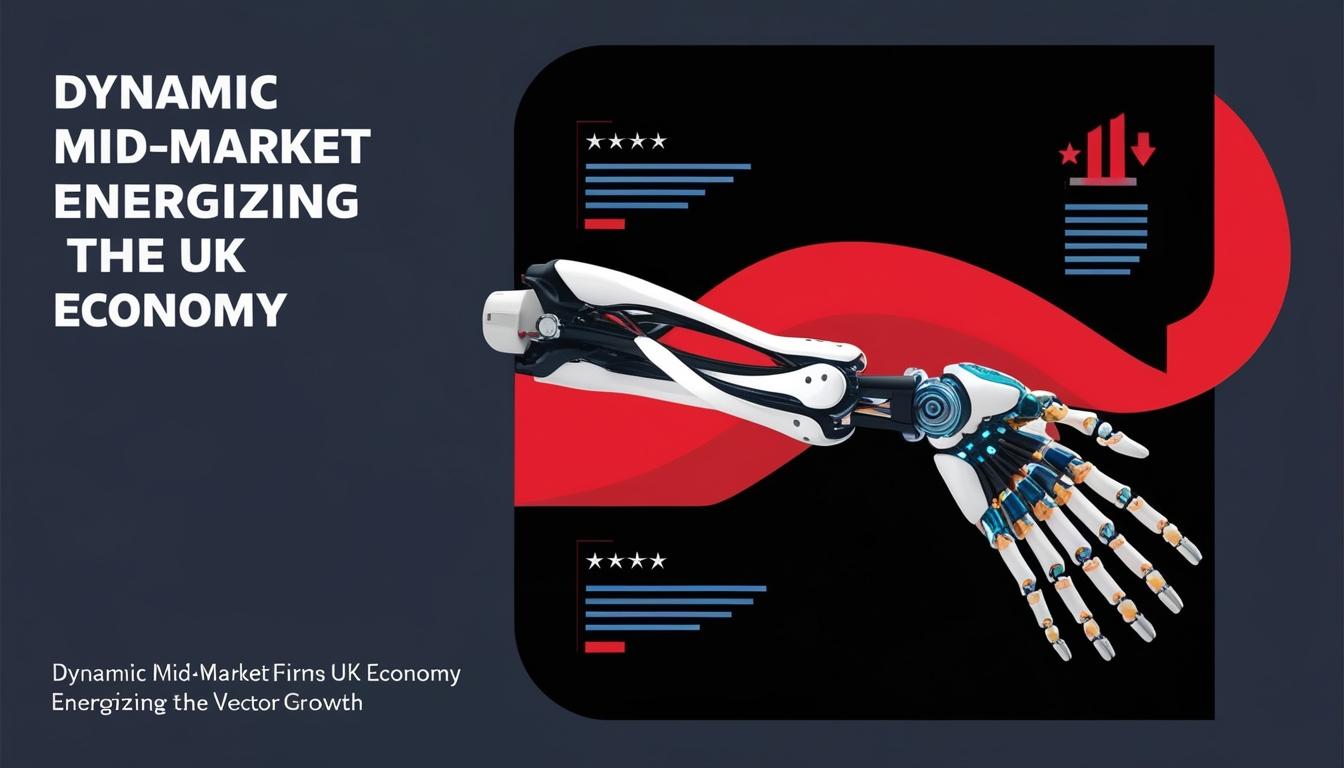
An example of a thriving mid-market company is Open Bionics, based in Bristol. The firm specializes in the development of bespoke 3D-printed bionic arms for amputees, including custom designs that appeal to children through popular themes such as superheroes. Open Bionics is poised for international growth, with plans to establish six additional clinics in the United States. This kind of innovation not only improves quality of life for individuals but also reinforces the UK’s status as a leader in global innovation.
Despite their growth potential, mid-market firms face distinct challenges. Many struggle with accessing essential skills, infrastructure, and investment necessary for expansion. Current regional support networks are often described as fragmented, posing logistical difficulties such as delays in moving products and personnel over short distances, and slow planning decisions that hinder growth.
Additionally, the complexities associated with rapid growth can be overwhelming for businesses at this scale. Leaders often find themselves juggling multiple roles as they navigate increased regulatory requirements and international trade considerations, complicating their operational oversight. The lack of comprehensive data regarding mid-market companies further diminishes their influence in government policy-making, leading to an insufficient representation of their unique needs.
In response to these challenges, NatWest, in partnership with the Department of Business and Trade, is launching a new initiative: the UK Mid-Market Council. This coalition will include representatives from key sectors to advocate for the interests of mid-market businesses, aiming to dismantle obstacles to their growth. Further, the introduction of a mid-market growth tracker, developed in collaboration with data analytics firm S&P Global, is set to begin in January. This monthly report will provide essential insights into the sentiment and growth trajectories of mid-market firms, including how external challenges might be affecting them.
The establishment of this council and the growth tracker marks a substantial step toward improving policy frameworks and fostering an environment conducive to the success of mid-market businesses. By strengthening public and private sector partnerships, there is potential to unlock the full capabilities of these firms, leading to benefits for communities, industries, and the UK economy at large.
Source: Noah Wire Services