In an evolving landscape for electric vehicle (EV) adoption, substantial shifts are taking place within the automotive industry amid changing consumer attitudes and economic pressures. Catherine Michaux and her husband, Jean Yves, residents of a small village near Nice, France, encapsulate the hesitance many potential buyers face. While they find the prospect of owning an EV appealing due to their ability to charge at home, they remain deterred by the high purchase costs. Catherine Michaux articulated this common concern, stating, “People will never be able to afford electric cars. It’s impossible.”
The transition from combustion-engine vehicles to electric counterparts has persisted for fifteen years since Nissan introduced the first mass-produced electric car in 2010. Despite the initial optimism for this shift, the automotive sector now confronts a potential crisis, having invested heavily in developing electric technology. Last week, Northvolt, a prominent battery manufacturer based in Europe, filed for bankruptcy, raising questions about the viability of the continent's green industrial strategy.
Disruptions within the market are evident. Stellantis, the owner of Vauxhall, recently announced plans to shut down its van factory in Luton, placing approximately 1,100 jobs at risk in the UK. In a related announcement, Ford revealed it would be cutting around 4,000 jobs across Europe, citing weaker-than-expected demand for EVs. Much of this uncertainty is compounded by economic factors such as rising interest rates, which have affected leasing costs.
Former Umicore CEO Mathias Miedreich suggested that European car manufacturers may opt to focus on consolidating operations rather than investing in expansion for EVs in the short term. “The year of the rebirth of the electric vehicle is probably 2026, and not 2025,” he noted in a forthcoming analysis.
Disparities in EV adoption continue to emerge globally. Earlier projections of aggressive growth in the American market appear to stall. Despite President Joe Biden's goal to ensure that EVs make up half of new car sales by 2030, they accounted for only 10% of sales last year. Reports indicate that production capacity for EVs may decline further in 2024, with carmakers reducing their forecasts for electric vehicle output both in the US (by 50%) and Europe (by 29%).
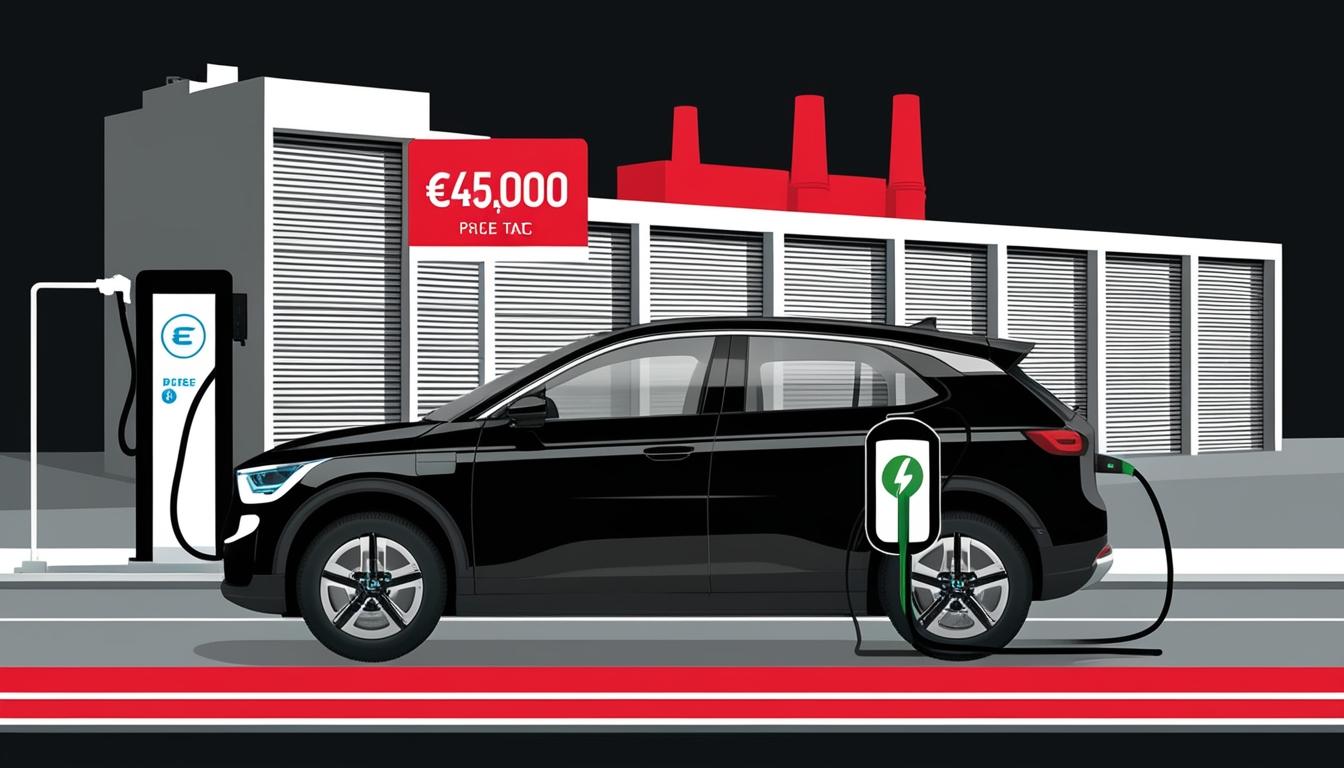
The factors contributing to this slowing growth encompass high initial costs, concerns about battery life, and evolving charging infrastructure. Reports indicate that while the average price of an EV in Europe was approximately €40,000 in 2020, it has escalated to around €45,000 today. A separate study from the European Commission reveals that the median amount consumers are willing to pay for an EV is €20,000, aligning with a desire for more affordable options.
Government policies also play a pivotal role in shaping the market. Germany, Europe's largest EV market, is expected to see a 29% drop in EV sales this year, following the reduction of purchase subsidies. This situation is mirrored in France, which has similarly announced cuts to its EV purchasing subsidies.
Meanwhile, Tesla and Nio, among other Chinese car manufacturers, continue to dominate the EV market, with China witnessing over half of its new car sales as electric or hybrid vehicles. This success is largely attributed to strategic government support aimed at combating pollution and reducing reliance on foreign fuel, as well as developing robust local supply chains for EV components.
Despite ongoing challenges in Europe, perspectives on EV demand are beginning to shift. Recent surveys indicate that consumers tend to remain committed to electric vehicles once they transition from petrol engines. Furthermore, automotive giants are preparing to unveil a range of more affordable models, priced under €25,000, as they aim to comply with stricter emissions regulations.
Industry observers have alluded to a critical need for a cohesive strategy in Europe to nurture the EV sector. “China’s entire EV supply chain has been sewn up in an industrial strategy, which is joined up from end to end. Europe has nothing that looks anything like that,” comments Andrew Bergbaum of AlixPartners, underscoring the contrasting approaches to EV development between the regions.
As the automotive industry navigates these complexities, crafting policies that effectively balance market stimulation with consumer readiness appears to be imperative. Companies are now prioritising the development of affordable cars, even if that entails collaboration with Chinese battery suppliers to reduce costs. Miedreich asserted, “So what all the car manufacturers are looking for now is the cost,” recognising the overarching trend towards cost-effectiveness as consumers weigh their purchasing decisions. As the sector adapts to these evolving dynamics, the potential for a successful transition to electric vehicles remains a focal point of industry discourse.
Source: Noah Wire Services