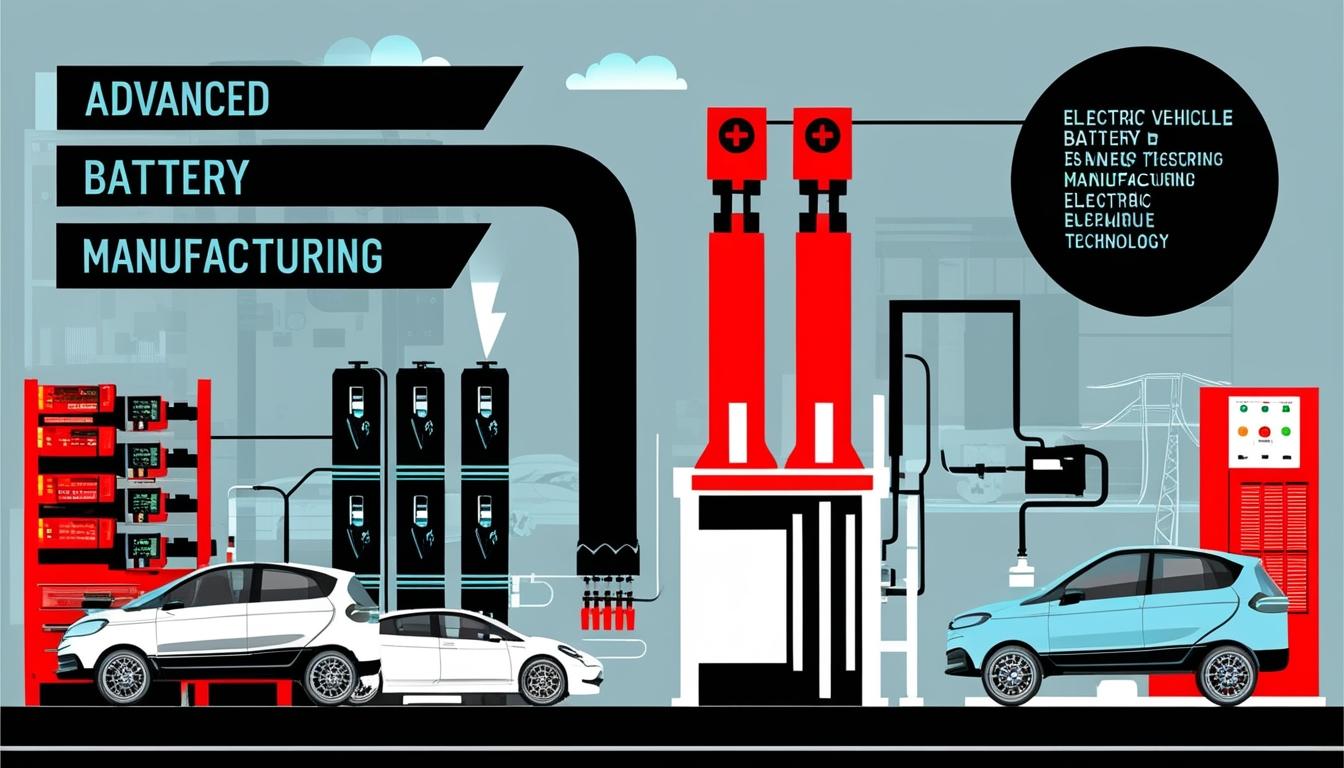
Coventry University’s Institute for Advanced Manufacturing and Engineering (AME) is spearheading a significant initiative aimed at advancing next-generation battery technologies, responding to the growing need for innovations beyond current lithium-ion systems. This development is being facilitated through an analysis of production processes and the challenges present in the supply chain.
Next-generation batteries are anticipated to offer numerous improvements over existing technologies, including faster charging times, longer operational lives, enhanced safety measures, and better environmental sustainability. With support from the Advanced Propulsion Centre (APC), AME's efforts will encompass a comprehensive analysis of the entire lifecycle of battery development—ranging from research through to production and delivery. The objective is to identify the technical, economic, and workforce requirements necessary for the successful advancement of new battery technologies.
The findings derived from this analysis are poised to inform an extensive investment strategy designed to propel next-generation battery technologies from the research stage into large-scale manufacturing. The ultimate aim is to facilitate a transition towards net-zero solutions while bolstering the UK's standing in the global battery market. According to projections from the Faraday Institution, the UK will require up to 100GWh of battery manufacturing capacity by 2030 to meet the anticipated demand primarily from its automotive sector, in addition to other industries. However, ongoing developments such as new battery plants have predominantly been centred around established lithium-ion technology. While these efforts cater to the current market, they may hinder the UK's progression towards next-generation battery innovations.
To collaborate effectively within the UK's battery production ecosystem, AME is partnering with key industry players such as Hyperbat, Taisan, and GNN, each recognised for their specialisations in battery packs, materials, and cell chemistries. This collaboration aims to identify existing gaps and opportunities within the supply chain, assess manufacturing needs, and map the technical capabilities essential for addressing the specific requirements of the automotive, aerospace, and defence sectors.
A vital component of this initiative is the development of a competitive supply chain strategy for advanced battery production. AME plans to investigate successful case studies from other nations, as well as explore various funding options and strategic measures that could be applicable in the UK context. The overarching goal is to formulate a plan that aligns with the UK’s innovation priorities in battery technology.
The project is set to engage several small-to-medium enterprises participating in Coventry University’s Clean Futures programme, which is focused on creating innovative solutions to mitigate the transport sector's reliance on fossil fuels.
Dr Glen Turley, Principal Engineer for Manufacturing Metrology at AME, stated, “By examining the full process of battery production, we’re not just identifying what the UK needs now, but preparing for future technologies that will power everything from electric vehicles to renewable energy storage.” He emphasised that this approach is crucial for bridging critical gaps in the supply chain and ensuring UK manufacturing can adequately meet the demands of emerging battery technologies.
Furthermore, Professor Marcos Kauffman, Director of AME and Research Centre for Manufacturing and Materials, noted that the ongoing research would significantly enhance the UK's capabilities in advanced battery manufacturing. “Ensuring that the UK is equipped to meet the growing global demand for high-performance, sustainable energy solutions," he said.
To promote transparency and knowledge exchange, AME intends to establish a digital hub in collaboration with the APC, where ongoing project findings will be published. This initiative is designed to foster continuous engagement and sharing of insights within the UK's battery and sustainable transport community.
Source: Noah Wire Services