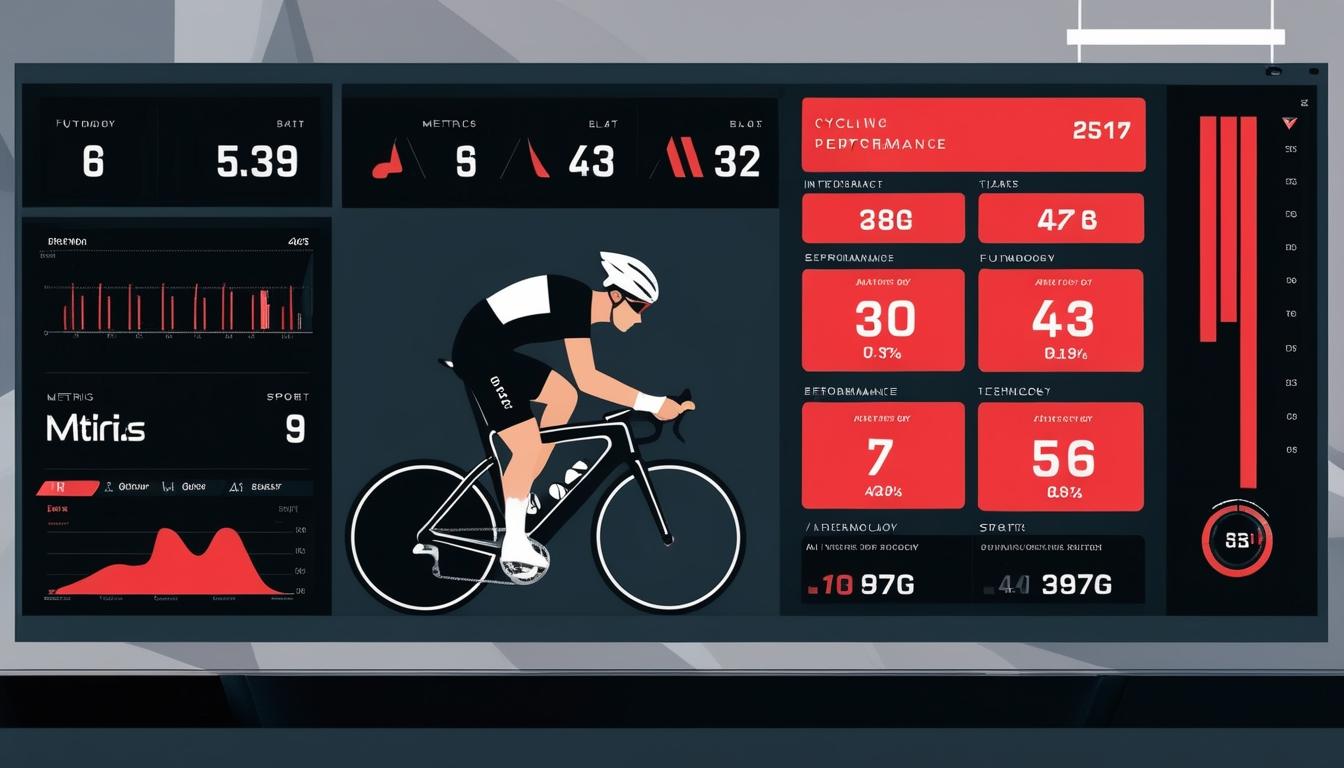
Professional cycling is beginning to embrace the transformative potential of artificial intelligence (AI), a development that holds significant implications for training, nutrition, and performance analysis. As the cycling world steers into the future, teams are cautiously looking to integrate these emerging technologies to enhance competitive advantage and refine training methods.
One notable company leading this charge is Brailsports, a Belgian spin-off from Imec, a prominent nanotechnology research organisation situated in Leuven. The firm has recently collaborated with ProTeam Lotto Dstny in developing an AI-powered dashboard that provides tailored insights for professional cyclists. This innovative tool allows teams to closely monitor fatigue and stress levels, potentially safeguarding athletes against overtraining.
Speaking to Cyclingnews, Steven Latré, head of AI at Brailsports, elaborated on their initiative, stating, “The AI and cycling idea arose around four years ago...they’ve increasingly used our dashboard, with this year’s Tour de France the highlight of our link-up so far.” The dashboard displayed crucial information during the 18th stage of the Tour, which saw Victor Campenaerts achieve his first stage victory after adjusting his training based on AI-generated fatigue metrics. Latré noted, “A few days before that stage, the dashboard was signalling a high level of fatigue and stress. The team took that on board and collectively made the decision to instruct Victor to ease off.”
While AI interventions in cycling training are likened to existing power metrics software such as Training Peaks, Latré emphasised their platform’s unique approach: “Our AI model gives you a real insight into the training impulses of the individual, helping to see if you’re edging toward overtraining or on the verge of a performance breakthrough.”
Another pioneering project in AI is the Athletica platform, co-founded by Paul Laursen, a veteran sports scientist with considerable experience in high-performance sports. Laursen’s team works alongside professional cycling squads (including ProTeam VF Group-Bardiani CSF-Faizanè) to provide data-driven insights through robust analytics platforms. A highlight of Athletica is its 'Workout Wizard', which adjusts training sessions based on current performance metrics and historical data, thereby preventing overexertion.
In the realm of nutrition, the Visma-Lease a Bike team has made strides with their Nutrition Prediction Model, enhancing the precision of carbohydrate predictions using AI. According to the team, this model has improved nutritional predictions on the cycling's energy output from 52% to 82%, incorporating variables like rider physiology and weather conditions. Sandwiched into this is Hexis, a pivot in nutritional management that connects dietary intake directly to training metrics, offering a real-time view of nutritional needs and optimising fuelling strategies.
While these advancements have brought new tools to cyclists, there are concerns regarding their psychological impact. Luke Rowe, who has recently transitioned to Decathlon AG2r La Mondiale, voiced apprehension regarding the pressure on younger riders from the data-driven environment. "I’m more old school...It was about taking racing seriously but still having fun,” Rowe expressed, suggesting that an over-reliance on data could overshadow the essence of competitive cycling.
These sentiments reflect a broader discussion within professional cycling about how AI, while a tool for optimising performance, could inadvertently strip away the spontaneity and enjoyment of racing—a concern echoed by former Olympic cyclist Brian Smith. He remarked on a perceived disconnect between riders and their natural instincts amidst an overwhelming influx of metrics.
Latré acknowledged critique surrounding the application of AI in cycling, stating, “It has the potential to unlock marginal gains but it’s no silver bullet… The professionals will still need coaches and sports scientists to work with.” His perspective highlights the importance of a balanced approach, integrating technological advancements while retaining human elements in coaching.
As AI technologies continue to permeate the sport, their full impact on race dynamics, athlete well-being, and the psychological facets of competitive cycling remains uncertain. The development signifies a pivotal moment for professional cycling, where enhancing performance through technology may redefine the criteria for success in the sport. Time will reveal how these innovations shape the future of cycling racing, alongside the personal experiences of the athletes involved.
Source: Noah Wire Services