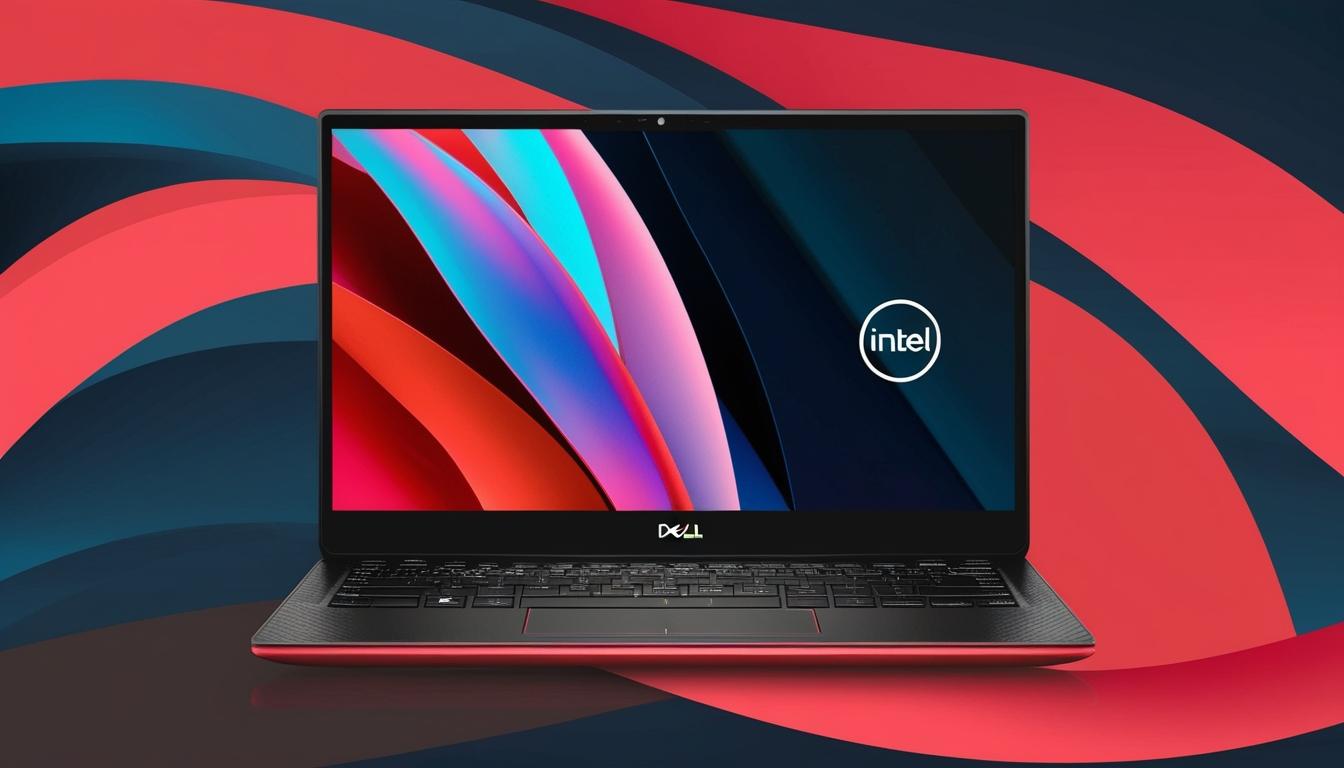
Dell has unveiled its latest XPS 13 laptop, which incorporates advanced artificial intelligence features through the new Intel Core Ultra Series 2 processor. This next-generation chip is poised to elevate Dell’s flagship laptop line, attracting attention from a range of users, including office professionals, at-home workers, and content creators.
The XPS series has maintained a reputation for premium design, durability, and lightness, and the newest model continues this trend while incorporating a greater percentage of recycled materials into its construction. Such innovations aim to enhance sustainability without compromising on the quality that has become synonymous with the XPS brand.
At the core of the new XPS 13 is the second-generation Intel Core Ultra processor, which ranges from the Core Ultra 5 226V to the powerful Core Ultra 9 288V, boasting a maximum boost clock of 5.1GHz. This processor is integral to providing a rich array of AI-powered functionalities designed to improve user experience and performance.
The bundled My Dell app represents a significant component of this AI integration. This software aids users in optimising their system for performance while enhancing battery life management. Thanks to enhancements in energy efficiency with the new processors, the XPS 13 promotes an impressive battery life of up to 26 hours on a single charge, appealing significantly to those preferring to work untethered by a power source.
Moreover, the introduction of the Intel AI Experience pop-up store in London signified that the AI advancements are not exclusive to high-end models. Dell showcased its Inspiron laptops, which are capable of running AI features such as generative video software and AI-driven video editing.
The new Intel Core Ultra processors include an integrated Neural Processing Unit (NPU), recognised for its capabilities in enhancing AI workloads for consumers. The NPU allows for an impressive processing capacity, achieving 48 trillion operations per second (TOPS), thus outstripping the functionality of competitors such as Apple’s M4 chip, which offers 38 TOPS. This advancement is pivotal for facilitating local AI applications, whether for utilising machine learning tools in software like Adobe’s Creative Cloud or extracting support from Microsoft Copilot.
Additional features available through Windows 11, such as Windows Studio Effects, enhance video calls and recordings, making them more efficient and effective. The new XPS 13 has been identified as a ‘Copilot+ PC’ by Microsoft, assuring users that it is equipped for full Copilot functionality following a scheduled free update in late November. This local processing approach diminishes reliance on internet connectivity, minimising associated security concerns prevalent with cloud-based AI solutions.
Aside from its impressive array of AI features, the new XPS 13 continues to boast robust hardware specifications. Users can expect up to 32GB of RAM, 4TB of high-speed SSD storage, and a 13.4-inch OLED touchscreen with a resolution of 2880 x 1800. Further enhancing the user experience are Thunderbolt 4 USB-C ports, which support both video output and power delivery, alongside Bluetooth 5.4 and Wi-Fi 7 capabilities for high-speed connectivity.
Overall, the latest iteration of the Dell XPS 13 positions itself at the forefront of AI integration in personal computing, aligning with emerging trends in technological advancements that businesses are increasingly adopting to enhance productivity and user engagement.
Source: Noah Wire Services