On a cool spring morning at the University of Kentucky in Lexington, students enrolled in a Journalism 377 course dedicated to drone photography gather in an empty field behind the softball stadium. As they master flying drones, they also acquire crucial skills for their future careers. This innovative course, developed over the past five years, empowers students to gain new perspectives and legally operate drones without needing a pilot’s licence, a notable advancement in providing access to aerial photography.
David Stephenson, an assistant professor in the School of Journalism and Media, emphasises the shift in technology accessibility. "It was clear to us that the technology was within reach," he said, explaining how the evolution of drones has democratized aerial photography. Historically, only major media outlets in cities like Los Angeles, Chicago, and New York could afford helicopter services for news gathering. Now, with drones available at a starting price of around £400, the landscape of photography and media reporting is transforming dramatically.
The conversation surrounding drone technology extends beyond journalism and into various sectors, notably agriculture and utility services. At East Kentucky Power Cooperative (EKPC), drone utilisation began modestly when senior electrical engineer Isaac Blanford introduced a single drone in 2018. The initial purpose was focused on inspections of transmission lines. However, the efficacy of this technology became evident during a major ice storm in 2021 when low cloud ceilings impeded helicopter inspections. Blanford recalled, "We saved days of outage time because we were finding these problems and reporting back to our power delivery maintenance." Currently, EKPC operates ten drones with fifteen licensed pilots, significantly enhancing operational safety and efficiency.
Blanford highlighted the drones' ability to traverse long spans of transmission lines in rural areas, reducing the need for on-foot inspections and facilitating more rapid problem identification. "Safety is the biggest advantage," he added, indicating that the use of drones minimizes the risks associated with aerial inspections.
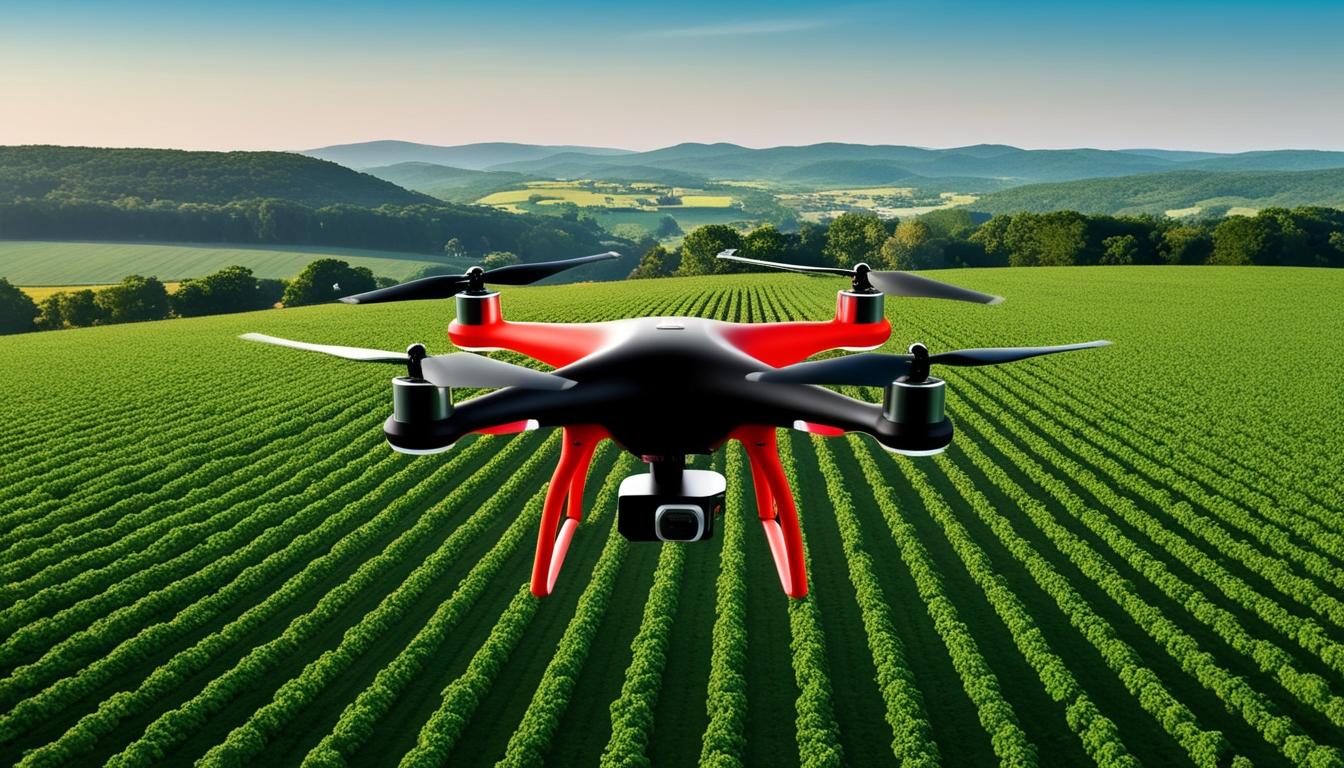
Similarly, the agricultural sector is experiencing a rapid transformation due to drone technology. Bestway Ag Marketing, based in Hopkinsville, specialises in high-capacity agricultural drones capable of liquid and granular applications. Danny Vowell, a manager at Bestway Ag, explained the remarkable growth in the industry, stating, "Drone sales went from nothing to 22% almost overnight." This surge in sales reflects a significant shift in how farmers perceive and utilise agricultural drones as part of their operations.
Vowell cited the necessity of strong customer service, akin to traditional agricultural equipment support, to encourage the adoption of drone technology among farmers. However, there are obstacles regarding the transition from conventional spraying methods to aerial applications. "The process sounds confusing," he acknowledged about regulatory requirements for drone operation, but assured that resources were in place to assist.
He projects that agricultural drones will continue evolving, with potential advancements leading to part-time hybrid fuel sources and ‘see and spray’ technology. This cutting-edge method would allow drones to specifically identify and target weeds rather than indiscriminately spraying across entire fields.
As innovations in drone technology continue to emerge, the implications for businesses are evident. Sectors such as journalism, agriculture, and utilities are embracing these tools, leading to enhanced efficiencies in operations, improved safety protocols, and cost-effective solutions. The trajectory of drone implementation across various domains suggests a future where these devices will play an increasingly critical role in shaping industry practices.
Source: Noah Wire Services