Emerging technologies in the sphere of electric vehicles (EVs) and renewable energy are shaping the future of global transportation and business practices. Recent developments highlight significant shifts across various sectors, primarily driven by the increasing adoption of electric and sustainable technologies.
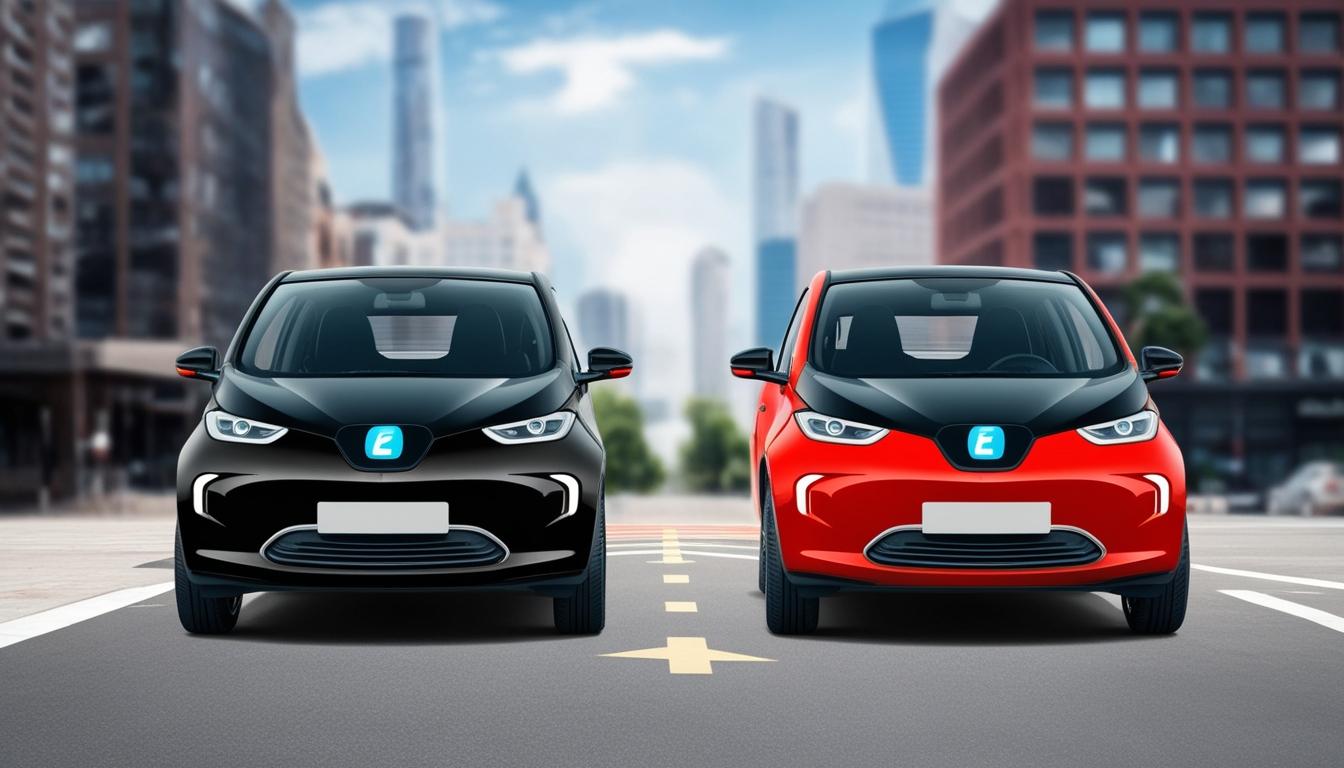
Renault has unveiled its new offerings: the Mobilize Duo and Bento, compact electric vehicles specifically designed to mitigate urban pollution. The Duo model is noteworthy for its environmental credentials, as it is constructed from 40% recycled materials and is 95% recyclable. By simplifying its design to consist of five times fewer parts than a conventional vehicle, Renault aims to reduce manufacturing emissions associated with the vehicle's production, generating 66% fewer greenhouse gases compared to typical A-segment electric vehicles. The Duo is priced attractively at around €9,000, making it accessible to a broader market, further emphasising Renault's commitment to sustainability in urban mobility.
In parallel, advancements in battery technology are promising enhanced safety and efficiency. Researchers from TU Darmstadt and MIT have developed a novel method leveraging machine learning alongside physical methods to monitor battery performance. By utilising recursive Gaussian processes, they aim to detect changes in battery cells, which could significantly enhance battery safety in the future. This research is underscored by an extensive dataset from 28 battery systems that had returned to manufacturers due to issues, highlighting the collaboration between academic institutions and industry to improve energy storage solutions.
China's rapidly expanding electric vehicle market is also influencing global gasoline demand, with reports indicating a tipping point where EVs and hybrids represented over half of retail passenger vehicle sales as of July 2024. Analyses from CITIC Futures Co. forecast a continued decline in Chinese gasoline consumption, predicting a drop of 4% to 5% per year through 2030, which reflects the mounting pressure on traditional fuel markets from the surging popularity of electric vehicles.
Moreover, self-driving technology continues to advance, with recent data suggesting that autonomous vehicles outperform human-driven cars in most driving scenarios. A study conducted in California between 2016 and 2022 revealed that, while 'autopilot' vehicles are generally safer, they struggled in specific conditions such as dawn, dusk, and cornering situations, highlighting areas that still require human intervention for optimal performance.
In the aviation sector, a breakthrough is expected in 2025 with the launch of the ES-30, the largest all-electric aircraft to date. Designed by Heart, this aircraft will employ high-torque electric motors and turbo propellers, capable of using short runways and featuring a hybrid system for a range of nearly 250 miles. The primary aim of this development is to connect smaller airports in underserved regions, rather than competing with larger commercial airlines.
The significant investments in clean energy, illustrated by the $5 million raised by Skip Technology for its hydrogen-bromine battery prototypes, show a growing interest in grid-scale energy storage solutions. These batteries are noted for their longevity, reduced flammability, and ease of sourcing materials domestically. This technology may eventually support substantial energy needs, such as powering data centres in metropolitan areas.
In the UK, anxiety surrounding electric vehicle range appears to be diminishing. The latest figures from the AA indicate that only 1.85% of breakdown callouts in 2024 involved flat batteries in electric cars, contradicting the widespread concerns about the viability of EVs. As the market matures, it appears that most breakdowns involve issues common across petrol and electric vehicles.
As trends in artificial intelligence and automation continue to evolve within the automotive and energy sectors, the implications for business practices and consumer behaviour remain significant, paving the way for a greener, more efficient future in transportation.
Source: Noah Wire Services