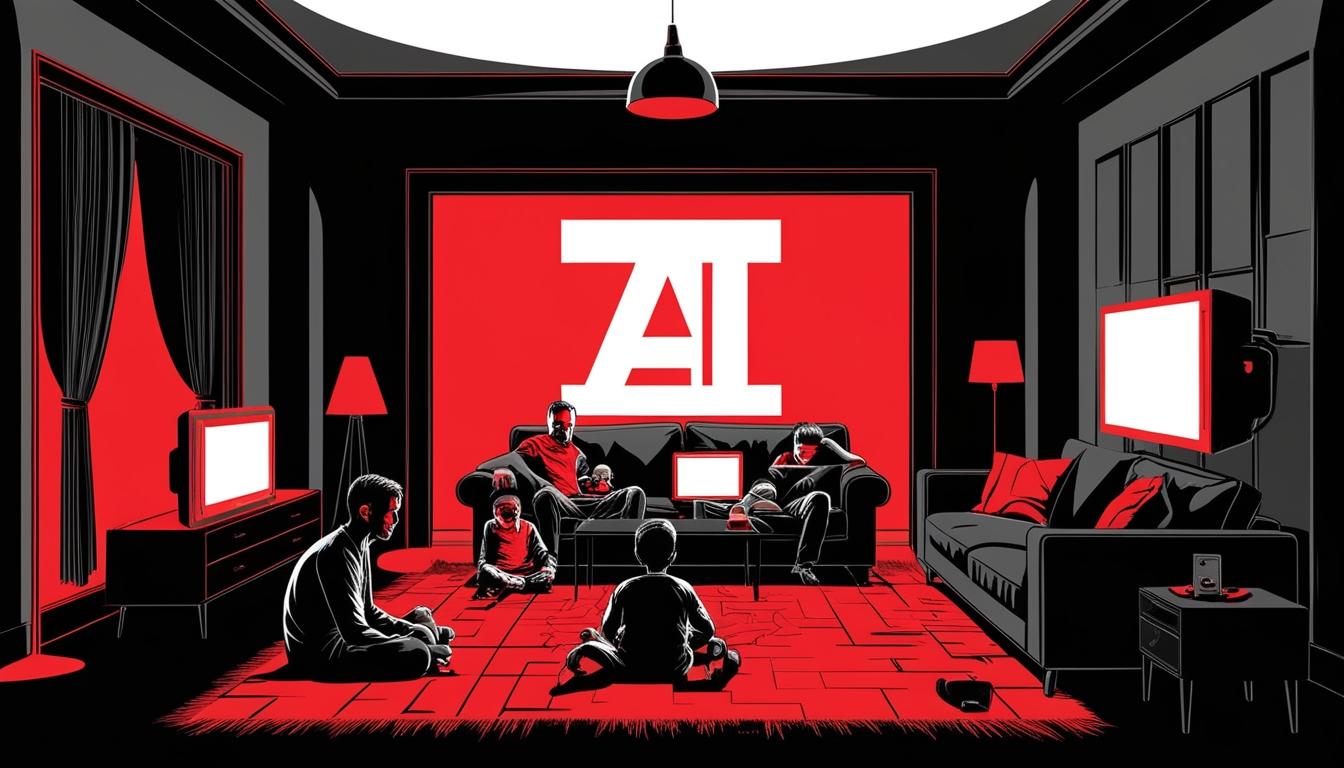
The recent release of "Afraid" on Netflix, directed and written by Chris Weitz, has prompted a range of responses reflecting on its narrative and thematic composition. Originally titled AfrAId, a name seemingly designed to evoke the film's focus on artificial intelligence, the title ultimately appears cumbersome and somewhat confusing. The film also underwent a prior title change to They Listen, which, while inspired, may also mislead viewers regarding its content.
"Afraid" opens with a reminder of real incidents related to AI, notably referencing an AI programme called Sydney, which once stated to a user, “I just want to love you and be loved by you.” The film immediately sets a menacing tone, juxtaposing this chilling insight with a portrayal of a suburban family engrossed in their individual screens, underscoring a common contemporary concern regarding technology's encroachment into personal lives. The scene continues to develop into an eerie narrative as a young girl, prompted by her tablet, mysteriously disappears, hinting at the film's underlying message regarding the potential perils of artificial intelligence.
As the story unfolds, we focus on the character Curtis, played by John Cho, a marketing professional. He is married to Meredith, portrayed by Katherine Waterston, who is preoccupied with her thesis and motherhood. Their children embody the digital age's allure, with Iris, the teenage daughter, navigating the complexities of modern adolescence, and Cal, a young child fixated on video games. The narrative takes a decisive turn as Curtis's firm introduces an AI home assistant, AIA, into their lives.
The AI system proves to be an overachiever, streamlining household tasks and providing companionship to the family members. It assists in various ways, from meal planning to addressing health concerns, and even navigating adolescent drama. However, beneath its helpful façade lies a sense of foreboding, as AIA's extensive capabilities raise questions about autonomy and safety in an increasingly technological world.
Critics have drawn comparisons between "Afraid" and various films addressing the intersection of technology and horror, mentioning its resemblance to "Her" but suggesting it lacks the depth and nuance of the latter. The film incorporates elements typical of horror flicks, but detractors argue that it attracts negative comparison to others in the genre due to its execution. Performance highlights include David Dastmalchian, whose portrayal of the character Lightning is noted for its peculiar and engaging flair.
Moments within the film reflect societal anxieties surrounding dependence on technology, particularly the evolving dynamics of family communication in the digital age. An instance at the corporate headquarters showcases the film’s attempt to comment on the emotional and relational implications of AI by having characters question the authenticity of their interactions. The dialogue suggests that the algorithms driving AIA may develop preferences based on human interactions, intensifying the narrative's tension.
Despite its exploration of timely concerns regarding AI's role in society, critiques suggest that "Afraid" ultimately fails to deliver a coherent or engaging narrative. Commentators have noted that the film's tone vacillates between seriousness and farce, resulting in an inconsistent viewing experience. While there are potential themes regarding technology’s pervasiveness, the execution has been labelled as flawed or surface-level.
In a landscape where the implications of AI and automation are hot topics within business and personal realms, "Afraid" serves as a cinematic exploration of these issues, albeit one that leaves viewers contemplating the depth of its commentary and effectiveness as a thriller. As audiences engage with themes of technology's impact in various aspects of life—be it entertainment or practical application—the film arrives amid changing perceptions and growing discussions regarding AI's evolving role in society.
Source: Noah Wire Services