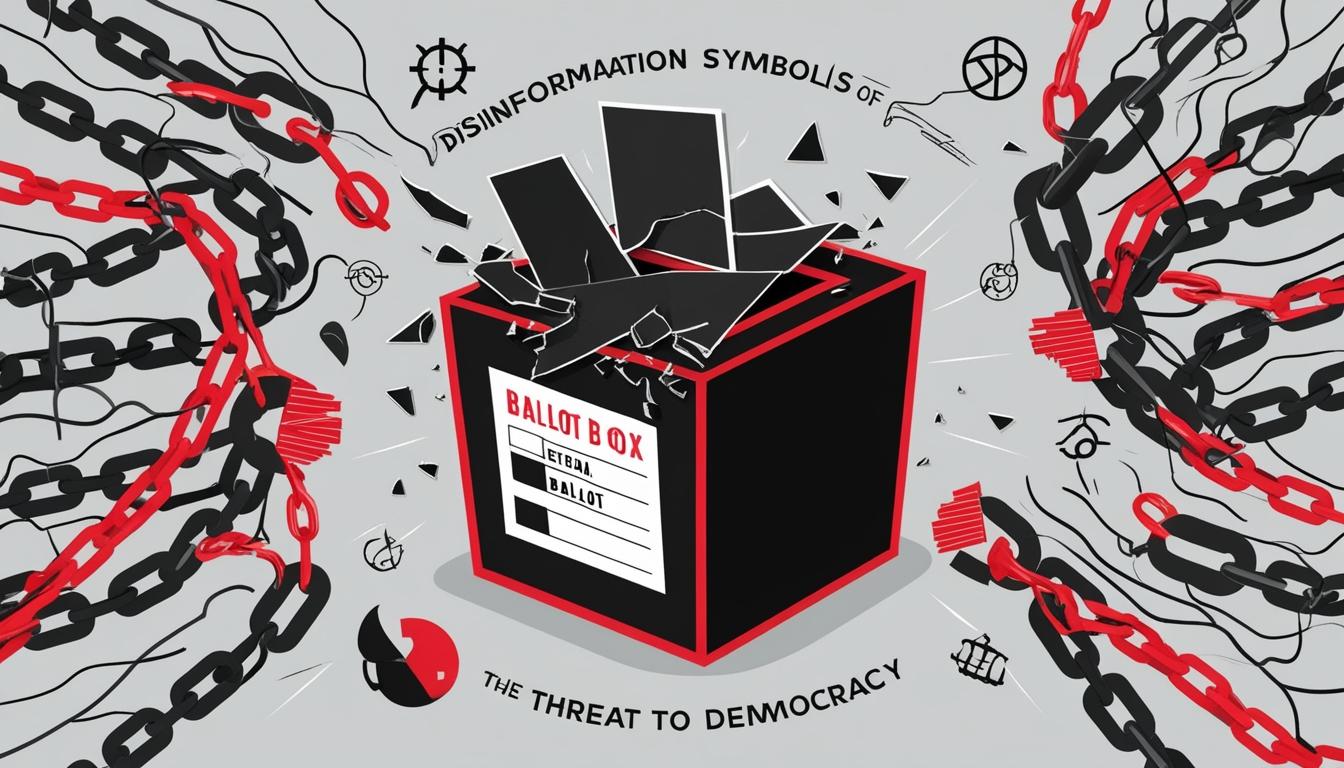
As Ghana approaches its general elections slated for 2024, the political landscape is becoming increasingly charged, with various parties and candidates intensifying their efforts to engage and win over the electorate. Amid this heightened activity, there is growing concern over the proliferation of political disinformation and misinformation, particularly across social media platforms.
In the context of Ghana, the terms disinformation—defined as the intentional spread of false information to mislead—and misinformation, pertaining to the unintentional dissemination of incorrect information, have become significant challenges in recent electoral cycles. The rising prevalence of these phenomena poses a direct risk to the integrity of the electoral process as they can lead to voter manipulation, political polarization, and, on occasions, violence.
Reflecting on experiences from the 2020 elections, there was a notable increase in the circulation of false narratives via platforms such as Facebook, Twitter, and WhatsApp. Instances of doctored images, misleading videos, and fabricated news stories spread rapidly, often without verification. Analysts and observers are concerned that, with the upcoming elections, such tactics may be employed even more extensively, undermining public trust and the electoral integrity.
Technology, while facilitating the spread of disinformation, also presents opportunities for its containment. A multifaceted approach incorporating advanced technological solutions, regulatory frameworks, and public education initiatives could help combat the influence of false information. Some of the key strategies being discussed include:
1. Harnessing Artificial Intelligence and Machine Learning: These technologies hold potential for real-time detection and flagging of false narratives, leveraging algorithms to sift through vast amounts of content to identify disinformation indicators. Such AI systems could analyse social media activity and metadata to unearth patterns indicative of manipulated content.
2. The Role of Fact-Checking Platforms: Ghana has seen a rise in dedicated fact-checking organisations, including GhanaFact and Dubawa, which work to validate viral claims and disputes. By utilising AI tools to automate aspects of the fact-checking process, these organisations could enhance their efficiency in identifying misrepresented information, thus facilitating timely corrections.
3. Implementing Social Media Monitoring Tools: Real-time analysis of social media trends, keywords, and influencers involved in the spread of false content can provide critical insights. Local authorities could employ tailored monitoring tools to survey both mainstream social platforms and messaging applications like WhatsApp, which are instrumental in information sharing.
4. Exploring Blockchain Technology: This technology offers a method for creating a transparent information verification system. By establishing a blockchain repository for verified election-related content, public trust in the authenticity of shared information could be significantly bolstered.
5. Collaborating with Social Media Platforms: The responsibility of combating disinformation extends to social media providers. Engaging in partnerships with these platforms to establish regional strategies for identifying and addressing false narratives may prove beneficial.
In addition to technological solutions, public education and digital literacy are pivotal in equipping citizens to navigate information critically. Tailored educational programmes would empower individuals to discern and verify the reliability of information before disseminating it further.
Moreover, there is a call for legislative and regulatory reforms to hold individuals accountable for the intentional spread of misleading information. Current laws may require expansion or additional refinement to capture the nuances of digital disinformation effectively during election periods.
Finally, recognising that disinformation knows no borders, Ghana could benefit from international collaborations to adopt best practices in combating misinformation. Partnerships with global organisations could bolster local efforts by offering access to resources and proven strategies implemented in other contexts.
As the 2024 elections draw near, the issues of political disinformation and misinformation are expected to intensify. By actively engaging with technology, elevating public awareness, and reinforcing regulatory measures, the integrity of Ghana’s electoral process stands a greater chance of being preserved. The proactive management of these dynamics will be critical to ensuring a credible and transparent electoral outcome, reflective of the true will of the Ghanaian electorate.
Source: Noah Wire Services