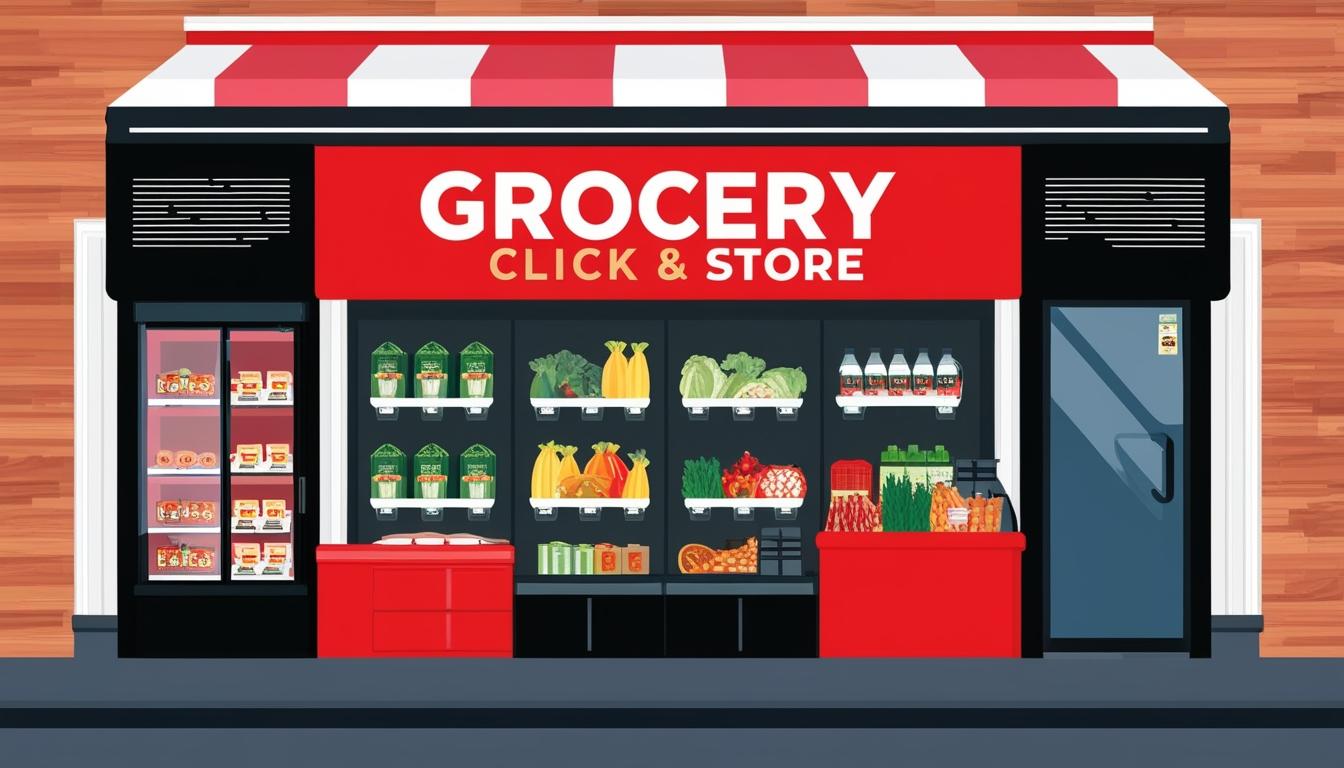
The grocery retail landscape is undergoing a significant transformation, largely driven by the growing trend of Click & Collect services, which are predicted to account for nearly 20 percent of all e-commerce spending by 2027. This shift is shaping the way grocery retailers operate, merging the convenience of online shopping with the traditional in-store experience, and ultimately providing customers with a more seamless shopping journey.
Adam Castleton, CEO of Startle, highlights that Click & Collect allows grocery shoppers to browse and purchase their items for collection at their convenience, thus appealing to the increasing demand for flexibility among consumers. This model, known as "buy online, pick up in-store" (BOPIS), gained substantial traction during the COVID-19 pandemic and continues to be embraced by shoppers today. A study revealed that retailers offering Click & Collect services see this method account for up to 40 percent of their sales.
Grocery shoppers benefit from a faster and more efficient experience with Click & Collect, enabling them to avoid long checkout lines and crowded aisles. The service not only facilitates time-saving shopping trips but also allows consumers to take advantage of online deals without bearing the additional costs associated with home delivery. For many families, this flexibility is paramount amid increasingly hectic schedules.
The Click & Collect service enables retailers to enhance their in-store experience in several key ways:
Crafting Memorable Experiences: Retailers can create inviting and sensory-rich environments, moving beyond basic shelf displays to foster brand loyalty and encourage impulse buys from customers.
Encouraging In-Store Purchases: While Click & Collect orders are placed online, customers picking up their items may also make additional purchases, impacting overall in-store sales significantly. Retailers can strategically place promotions near collection points to capitalise on these opportunities.
Expedited Checkouts: This model greatly reduces the necessity for shoppers to navigate the store for all their items, consequently decreasing checkout wait times and improving service efficiency during peak shopping periods.
Enhancing Product Discovery: Shoppers who physically visit stores for pickups may notice new items or promotions that weren’t immediately visible online, ultimately enriching their shopping experience and encouraging brand loyalty.
Mitigating Delivery Costs: Click & Collect provides a cost-effective alternative for retailers, reducing the financial burden of home delivery services often passed onto consumers. Plans such as that from Tesco, which recently increased the minimum online order from £40 to £50, reflect this shift in approach.
As Click & Collect becomes increasingly essential in modern grocery retail, it is also setting new consumer expectations around service quality, speed, and convenience. With this advent, grocery retailers are urged to adapt and integrate flexible options, such as same-day or next-day collection, to remain competitive within the market.
However, the integration of online and in-store systems presents challenges that retailers must navigate. Efficient inventory management and ensuring that both online and in-store customers are adequately served, particularly during busy shopping times, are crucial for the success of Click & Collect services. Aldi, for instance, has announced the cessation of its Click & Collect service by 2025 for over 170 stores in the UK, citing the need for more efficient store operations.
Furthermore, grocery retailers face the dilemma of balancing the convenience of off-site pickup with the potential detriment to in-store engagement and purchases. Finding this equilibrium is vital for grocers looking to meet consumer demands while maintaining the foot traffic crucial for their business model.
As the grocery sector continues to evolve, Click & Collect represents a significant opportunity for retailers to enhance customer service, deliver richer in-store experiences, and align with the changing needs of consumers. The upcoming challenges will require innovative approaches to ensure these standards are not just met, but exceeded.
Source: Noah Wire Services