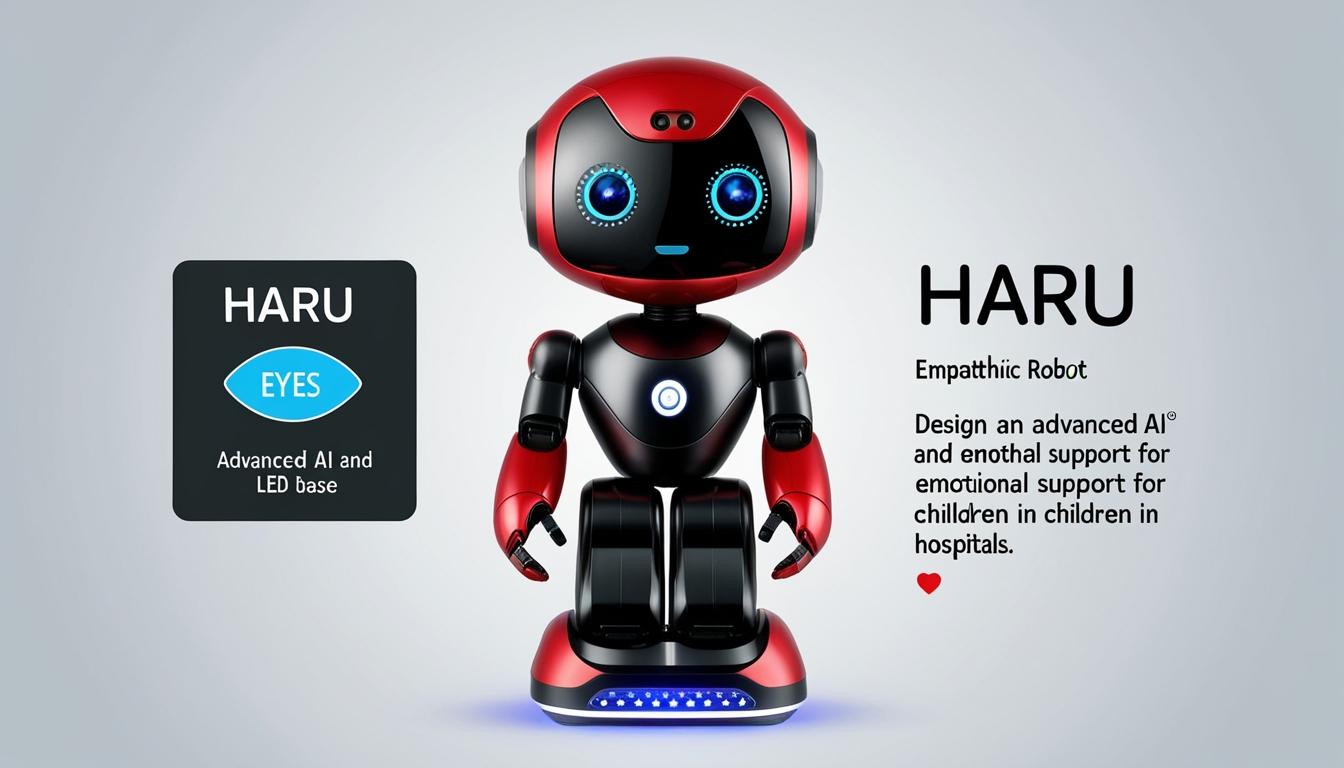
Honda, the automotive and robotics manufacturer, continues to innovate in the field of AI automation with the introduction of a new empathetic robot named Haru. This development comes after successful trials conducted in Spain, specifically at the Virgen del Rocío University Hospital (HUVR) in Seville, where Haru has been employed to assist paediatric patients facing serious medical challenges, particularly those undergoing long-term treatment for cancer.
Haru is a 12-inch desktop robot equipped with dual screens, which function as both digital displays and eyes, alongside an LED-infused base that serves as a mouth. Its design has drawn comparisons to a hybrid of a frog and the iconic robotic character, Johnny 5, from the film "Short Circuit". However, its functionality is imbued with a more serious intent. According to Honda, 95% of young cancer patients reported increased engagement with their rehabilitation as a direct result of interactions with Haru since the trials began in 2021.
The robot is packed with advanced features, such as numerous cameras and microphones that allow it to analyse facial expressions and voice tones, enabling it to respond empathetically. It provides emotional support to children, helping to foster a more positive atmosphere during what can often be a daunting experience in hospital settings. Additionally, Haru serves an educational purpose, connecting patients with their classrooms and allowing them to maintain their studies via video links while receiving treatment.
Notably, Haru is also poised to enhance the efficiency of neuropsychological assessments. The robot collects valuable data alongside biometric information from connected wearables, which could increase the number of assessments conducted yearly from approximately 510 to potentially 4,500.
A spokesperson from HUVR remarked that Haru not only brings joy to paediatric patients but also stands as a refreshing shift from conventional hospital technologies that typically centre on medical treatments or physical care. They noted, “Haru has a positive psychological effect of lightening the mood of our young patients and also contributes to the well-being of the hospital as a whole.”
Following the successful conclusion of three years of trials, Honda is expanding the initiative by delivering ten additional units of Haru to the Seville hospital. This step is part of Honda's broader vision to develop Haru as a "tangible AI system" that can fit seamlessly into society, facilitating communication and connection among people. Satoshi Shigemi, from Honda's research institute, asserted the company's commitment to this vision.
Throughout its history, Honda has emphasised the principle of “using our technology to help people,” consistently pushing boundaries in robotics. Innovations such as the ASIMO robot and various assistive mobility devices underline their commitment to improving quality of life. Haru marks a significant milestone in Honda's robotics journey, moving towards full-scale integration and utilization in healthcare settings, particularly in pediatric oncology.
Source: Noah Wire Services