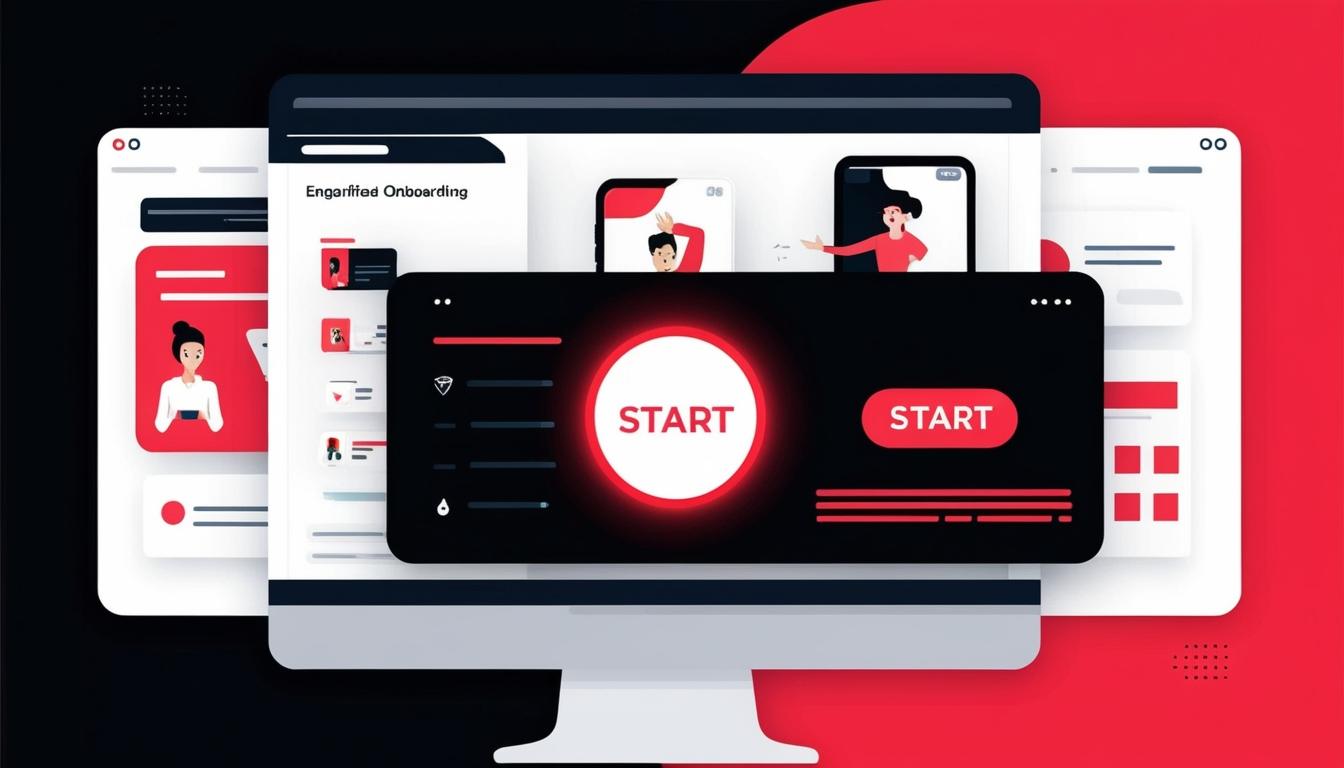
As companies increasingly embrace the digital age, the process of employee onboarding is undergoing significant transformations, particularly with the implementation of Learning Management Systems (LMSs). Often viewed as essential tools for corporate education, LMSs are now proving to be invaluable in streamlining onboarding processes, providing a framework that not only enhances the initial integration of new employees but also aligns with broader business goals.
Recent discussions highlighted by Local Coon Rapids News illustrate how traditional onboarding methods, which predominantly revolved around cumbersome paperwork and extensive manual supervision, are rapidly becoming obsolete. Historically, onboarding required managers to guide new hires through a maze of documentation, including personal information and job responsibilities, often requiring face-to-face interactions in readiness to connect newcomers with colleagues. The advent of digital onboarding solutions has facilitated a shift from these practices to more efficient and effective virtual systems.
LMSs are being increasingly utilised to codify onboarding into structured, digital experiences. These platforms not only distribute learning materials but also provide features that motivate employees to complete tasks, akin to engaging in a learning activity. For instance, the use of instructional videos, paired with gamification elements, has been identified as an effective way to enhance the onboarding experience. As noted in the report, “onboarding is a learning activity: newcomers learn what they should do at work and practice it”.
The functionalities of LMSs far exceed those of traditional tools like project management applications or generic HR suites. They offer a range of capabilities designed to support social interactions and reinforce knowledge through targeted content delivery. Key benefits of using LMSs include the ability to deploy a human-centred onboarding experience, whereby new hires are provided with tailored onboarding videos specific to their roles. This customisation not only leads to more targeted learning but significantly reduces the time spent on generic training content.
Furthermore, the transition to remote working has made it imperative for organisations to employ solutions that facilitate virtual onboarding. As many businesses continue to operate in hybrid models, LMSs have emerged as crucial tools that ensure seamless connection and collaboration among remote teams. They provide the necessary infrastructure for organising remote work processes while maintaining productivity levels.
The adoption of gamification techniques within LMSs also addresses the motivational aspects of learning. Tasks often incorporate incentives, such as badges for achievements and user leaderboards, making the onboarding process more interactive and engaging for new employees. By transforming a traditionally dry and monotonous process into something dynamic, companies are witnessing higher retention rates of information and better overall engagement among new employees.
Automating onboarding processes is a further advantage offered by LMSs. This automation leads to a reduction in operational costs associated with employee onboarding, as well as a decrease in the workload for managers who can reallocate their time towards meaningful interaction with new hires. The cost of acquiring an LMS can be as low as $1 per user per month, making them a financially viable option for many businesses.
The environmental implications of moving towards a paperless onboarding process are also noteworthy. By utilising digital onboarding tools, companies significantly reduce their paperwork, contributing to more sustainable practices that cater to the growing emphasis on corporate social responsibility.
In conclusion, the integration of Learning Management Systems into employee onboarding represents a forward-thinking approach that not only enhances efficiency but also aligns with contemporary business needs. By facilitating a more personalised, gamified, and automated onboarding experience, companies can effectively prepare their teams for success while promoting sustainability. The adoption of these technologies marks a pivotal shift in how businesses are approaching their most essential asset: their people.
Source: Noah Wire Services