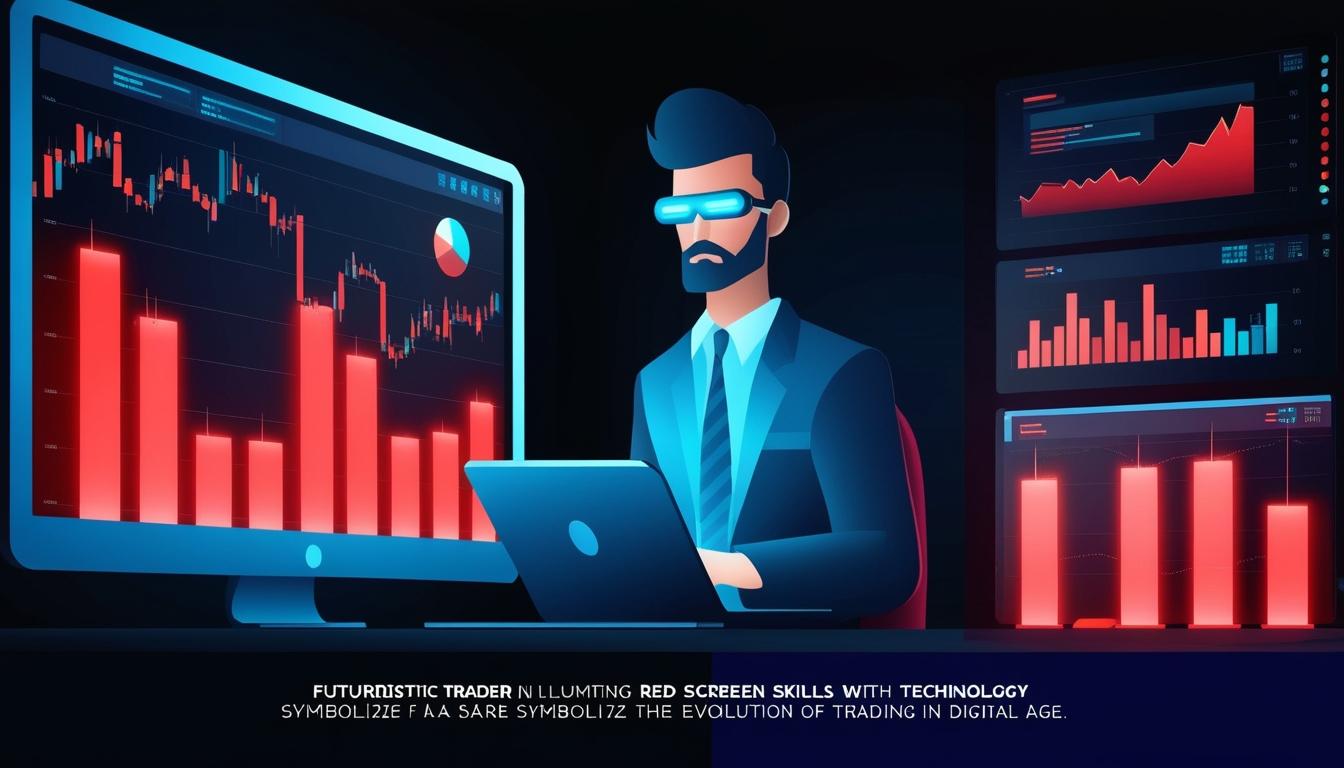
Over the past three decades, the trading landscape has undergone significant transformations, primarily driven by automation and electronification. These developments have led to a remarkable increase in trading volumes and an expansion of geographical reach. Previously, trading in specific stocks often required physical presence in the country of interest; however, advancements in technology now allow traders to execute orders from virtually anywhere in the world. This electronification has facilitated greater fluidity of capital across borders, fundamentally altering how trades are conducted.
Historically, trading involved a more manual process, where orders were relayed via phone to trading floors for negotiation. The introduction of central limit order books approximately 30 years ago heralded a new era in trading, as electronic access to these systems paved the way for a variety of trading models. Thematic innovations, such as software programs enabling periodic auctions, have emerged, providing alternatives to conventional trading methods.
The shifts brought on by automation have yielded both advantages and challenges. From a positive standpoint, trading costs have considerably decreased, particularly in agency-style businesses. The capacity to execute more transactions with fewer resources has enabled a reduction in commission rates, drawing new entrants into the market and fostering competitive pressures. However, this landscape is not without its concerns. The rise of high-frequency trading, for example, has raised eyebrows over potential market manipulations and necessitated a more strategic approach when placing orders.
Despite the cost reductions and efficiency gains, there are calls within the industry to address potential gaps in expertise. With increasing reliance on technology including artificial intelligence (AI), there is a narrative surrounding the possible erosion of traditional trading skills among newer generations. The focus on automating processes may inadvertently reduce the depth of experience and knowledge within trading teams, particularly when navigating complex scenarios. Experts urge that while adopting new technologies is vital, it is equally essential to ensure robust training and knowledge transfer within the industry.
As we look towards the future, the evolution of trading techniques is expected to persist, likely enhancing the role of AI in various stages such as workflow management and pre-trade idea generation. While some emerging technologies, like blockchain and distributed ledger technology, have yet to make substantial inroads into financial services, there is potential for their mainstream adoption in the coming years. Such technologies could streamline operations and drive further innovations across different asset classes.
Speculation about the trading profession 30 years hence suggests a continual adaptation of skill sets rather than a complete obsolescence of traders. As the line between different asset classes becomes increasingly blurred thanks to technological integration, traders will likely find themselves managing a more diverse range of instruments. Despite the inevitability of technological change, the fundamental role of traders is anticipated to remain as they pivot towards a more technology-oriented approach to trading.
In summary, the last thirty years have seen a dramatic shift in trading practices, propelled by technological advances and increased global connectivity. As the landscape evolves, both current trends and future innovations will shape the trajectory of trading as an industry, influencing how businesses operate within this dynamic environment.
Source: Noah Wire Services