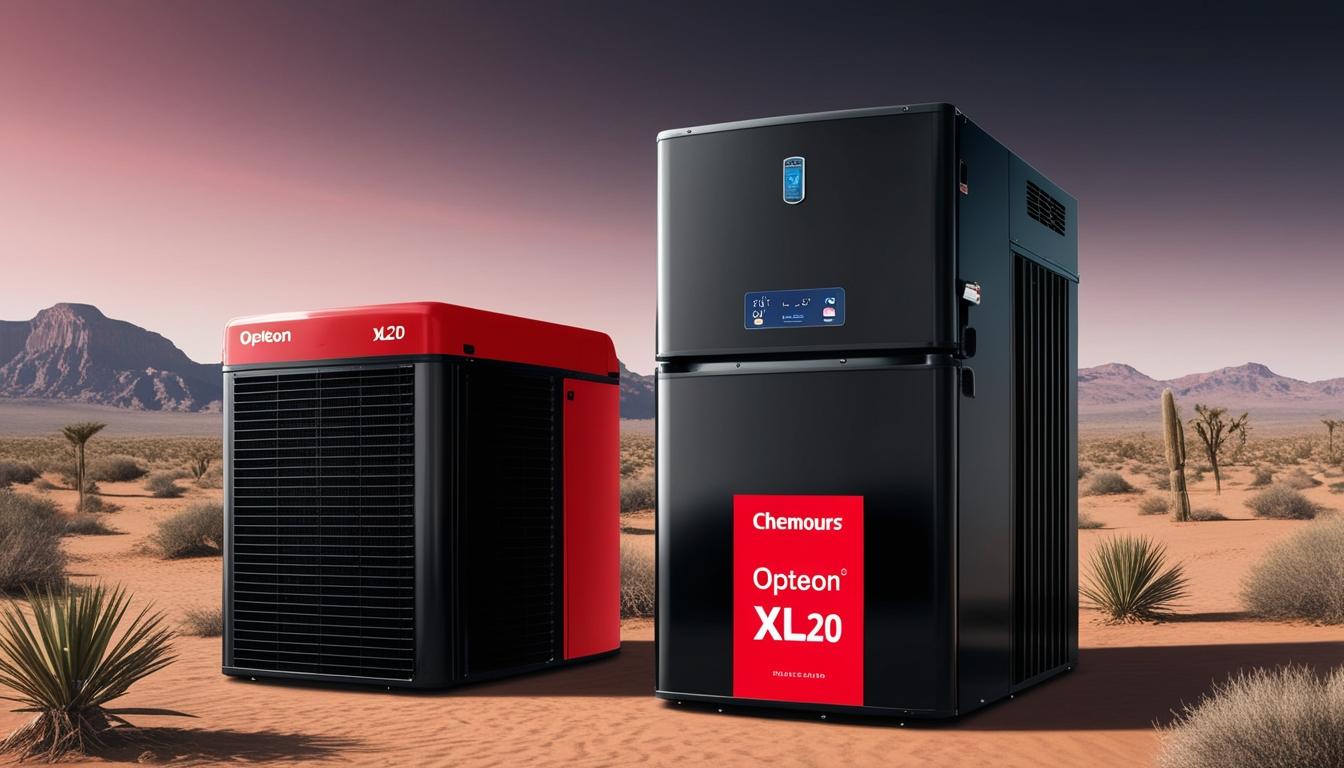
In Nogales, Arizona, a collaborative project has been successfully completed that marks the region’s first installation of a cold-storage refrigeration system using a new-generation refrigerant, Chemours Opteon XL20 (R-454C). This innovative project, led by Bustamante Refrigeration in partnership with American Refrigeration Supplies, Inc. (ARS) and several other leading firms in the HVACR sector, aims to address the challenges of operating efficiently in one of the hottest climates in the United States while complying with stringent regulatory requirements regarding refrigerant use.
The project comes in light of the U.S. Environmental Protection Agency’s (EPA) American Innovation and Manufacturing (AIM) Act, which seeks the phasedown of hydrofluorocarbons (HFCs) due to their environmental impact. With the AIM Act’s Technology Transitions Program set to require the use of refrigerants with lower global warming potential (GWP) in new equipment, the consortium recognised an opportunity to move away from older refrigerants such as R-404A and R-449A. They opted for Opteon XL20, a hydrofluoroolefin (HFO) refrigerant that is classified as lower flammable and carries a GWP of 148, thus aligning with the upcoming regulations that aim to limit refrigerants to under 150 GWP.
Jeff Warther, a senior consultant at Chemours, noted the importance of these developments, stating, “The transition to better, lower-GWP solutions we’ve been hearing about for years is now well underway, making it a pivotal and exciting time for the HVACR industry. Now that SNAP Rule 26 has cleared A2Ls for takeoff in commercial refrigeration, collaborations like this one in Nogales are going to become increasingly important in paving the way for industry wide adoption.”
The design of the refrigeration system incorporates cutting-edge technology tailored to the use of Opteon XL20. This includes a semi-hermetic Copeland discus compressor specifically designed for the refrigerant, alongside electronic expansion valves and EcoNet control technology for maximising energy efficiency. The system, which features condensing units that service multiple evaporators, has successfully realised energy savings through various methods. These include optimised compressor runtime, reduced fan speeds, minimised icing issues, and controlled defrost cycles, which in turn have contributed to improved product quality due to stable temperature maintenance.
As industry standards evolve, refrigeration systems using mildly flammable A2L refrigerants must adhere to specific building codes and be designed to meet testing requirements from nationally recognised testing labs (NRTL). As a safeguard, the Nogales installation has integrated a factory-installed leak detector in its evaporator systems, which operates a safety shut-off valve to mitigate refrigerant leak risks.
The successful implementation of this advanced refrigeration technology not only signifies a shift toward sustainable commercial refrigeration but also showcases the potential for industry-wide adaptation. The project precedes the impending January 1, 2026, deadline for new equipment compliance, underscoring a proactive approach to regulation that ultimately results in lower total costs of ownership for businesses.
The concerted effort by HVACR leaders to invest in innovative solutions and technology is paving the way for more sustainable options in commercial refrigeration. As companies navigate a landscape with increasing emphasis on environmental responsibility, continued collaboration among industry players will be vital for overcoming upcoming challenges and capitalising on emerging opportunities within the sector.
Source: Noah Wire Services