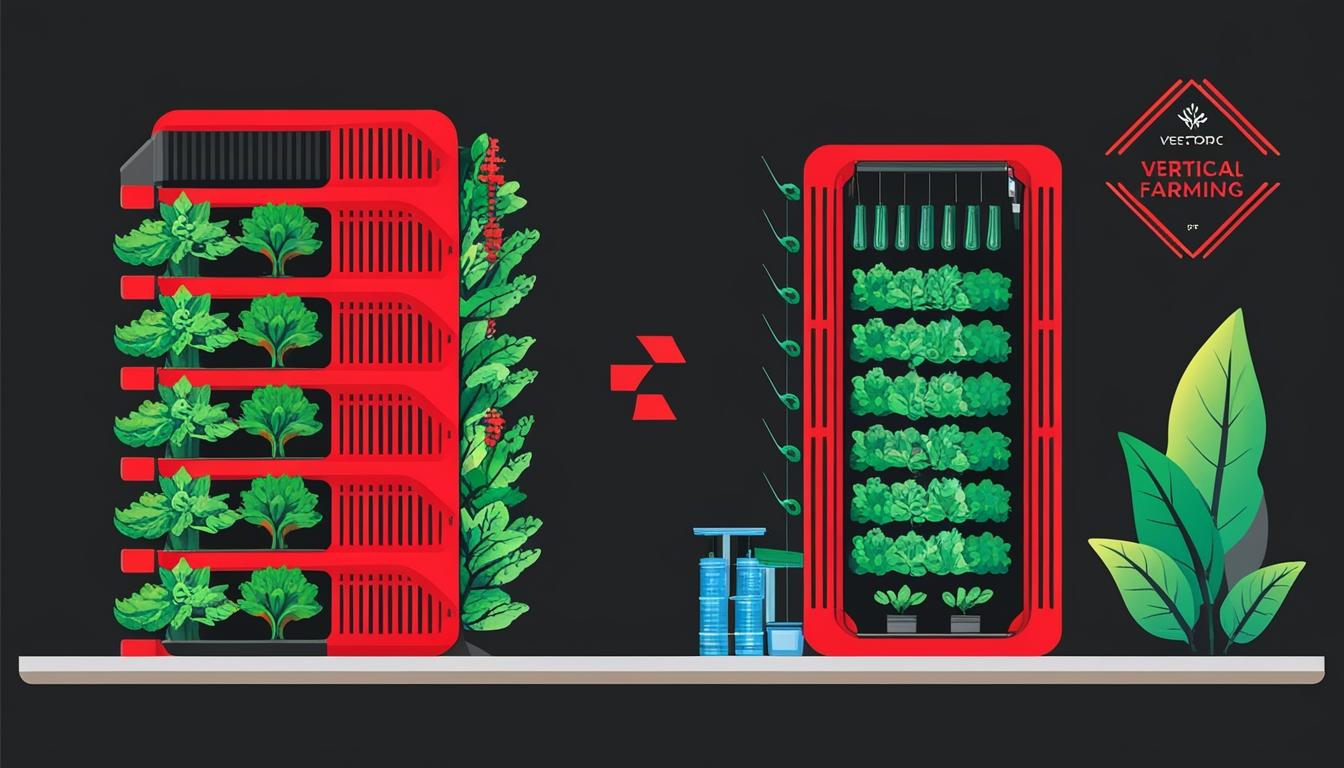
The Controlled Environment Agriculture (CEA) industry is positioning itself to address critical challenges and opportunities through various innovative initiatives. A recent episode of the Vertical Farming Podcast featured a conversation between host Harry Duran and Gretchen Schimelpfenig, a prominent figure in the field, who leads the Greenhouse Lighting and Systems Engineering Consortium (GLASE). A significant focus of their discussion revolved around expanding diversity and grappling with data-sharing hesitancy within the CEA sector.
Schimelpfenig revealed her commitment to enhancing representation through the Vivid Canopy project, an initiative aimed at connecting diverse professionals. “We’ve been holding events to connect diverse professionals, hoping to share job opportunities and promote leadership roles for underrepresented communities,” she stated. This initiative is part of a broader movement to include more varied perspectives in an industry that has traditionally been less diverse.
A major challenge facing CEA is the industry’s reluctance to share operational data, even when confidentiality measures are in place. “To encourage data sharing, growers may need financial compensation or guarantees of tangible benefits from their contributions,” Schimelpfenig noted, recognising the necessity of incentives to overcome this hesitation. Despite the efforts made by organizations like the Resource Innovation Institute (RII), participation among growers remains limited, illustrating a significant barrier to collaboration in enhancing operational efficiencies.
The podcast underscored the importance of consumer education about the benefits of CEA products. Schimelpfenig emphasised the need for brands to provide more than just generic sustainability claims. “If CEA brands can provide data-backed sustainability stories, it could compel consumers to pay a premium,” she explained. The focus on local sourcing and reduced waste associated with CEA may drive consumer demand, but it must be substantiated by unique narratives that resonate with buyers.
Automation is being recognised as a pivotal solution to improve operational efficiency in CEA. Schimelpfenig outlined the advantages of employing automated systems and robotics, particularly scouting robots that enhance precision while alleviating the effects of labour fatigue. “Scouting robots never get bored or lost, making them ideal for repetitive tasks,” she observed, suggesting that automation could play a crucial role in streamlining processes while allowing human workers to focus on more advanced tasks.
The podcast also touched on significant industry trends, such as consolidation in the greenhouse sector and expansion strategies within vertical farming. Schimelpfenig highlighted that “the most resilient models are thriving because they prioritize energy efficiency and smart financial planning,” underscoring the importance of adaptability and foresight in navigating evolving market conditions.
Looking to the future, Schimelpfenig expressed optimism about attracting a new generation to the vertical farming sector. She believes that automation could support human resource allocation, ensuring that people engage in higher-value tasks while routine operations are conducted by machines. “We want humans involved in higher-value tasks while leveraging automation for repetitive and data-driven processes,” she concluded, signalling a vision for a collaborative future where technology complements human effort.
The conversation provided insights into the current landscape of CEA as well as its potential evolution, focusing on diversity, data sharing, consumer engagement, automation, and adaptive strategies that could shape business practices in the years to come.
Source: Noah Wire Services