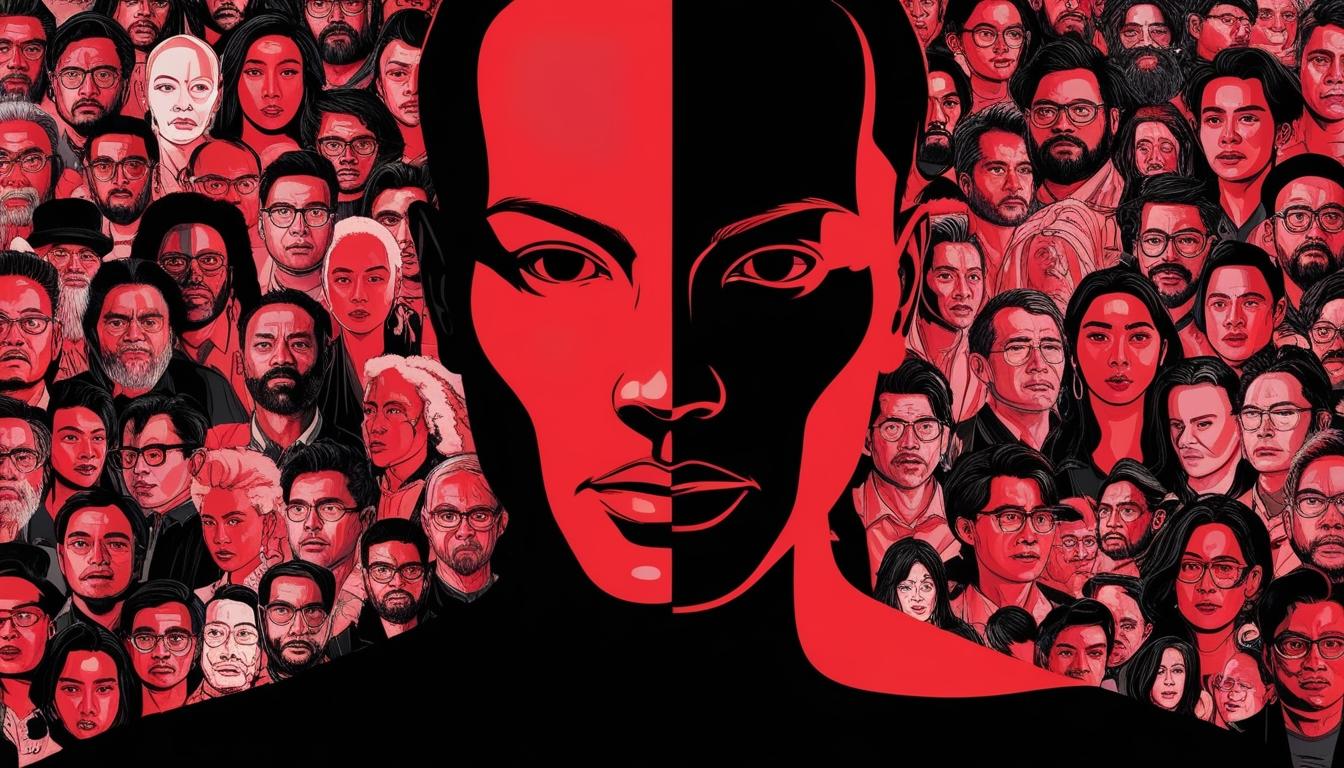
A striking new artwork has emerged that claims to represent the first genuine self-portrait of artificial intelligence (AI). Created by Hiscox, an insurance firm, the piece utilises headshots of 40 real artists whose works have been instrumental in training AI systems. These images were combined using an innovative coding programme known as Facer, and stylistically rendered to mimic the aesthetics of a traditional oil painting.
The initiative aims to emphasise that AI is not merely a standalone entity or a software programme, but rather a product shaped significantly by human creativity. The artwork seeks to spark discussion on how artists can be appropriately recognised and compensated for their contributions to AI development.
Accompanying the self-portrait, the Hiscox Art and AI Report delves into the evolving landscape of AI-generated art, particularly focusing on how art collectors are responding to this digital influx. The report highlights that while some AI art has fetched staggering sums—such as a recent piece by the humanoid robot Ai-Da selling for over $1 million at Sotheby’s—traditional collectors remain hesitant. The survey found that 42% of art collectors express ethical concerns regarding AI-generated art, whereas 37% worry about potential copyright infringements.
The report indicates a generational divide; younger collectors are reportedly more open to accepting AI art as legitimate competitors to human-created works, while traditionalists are still grappling with the implications of these evolving forms of artistic expression. Issues surrounding appropriate recognition and financial compensation for human creators are critical. Notably, the creators of Tess, an image generator that properly licenses artworks and ensures artists receive royalties when their styles are emulated, are actively addressing these concerns.
Robert Read, head of Art and Private Client at Hiscox, outlined the complexities surrounding AI in the art market, stating, “The use of AI in art is a new frontier for the art market, and that brings both risk and opportunity. Using advanced technologies can be a fantastic creative enabler, but our research shows there are still issues that the industry is grappling with—particularly when it comes to transparency and compensation.” He added, “There’s nothing inherently wrong with an AI learning to make art by studying and absorbing human art—so long as it is done ethically, transparently and fairly.”
This dialogue around AI art reflects broader trends in the industry, underlining the need for an ethical framework that balances innovation while safeguarding the rights of human creators, as both artists and collectors navigate the complex intersection of technology and creativity.
Source: Noah Wire Services