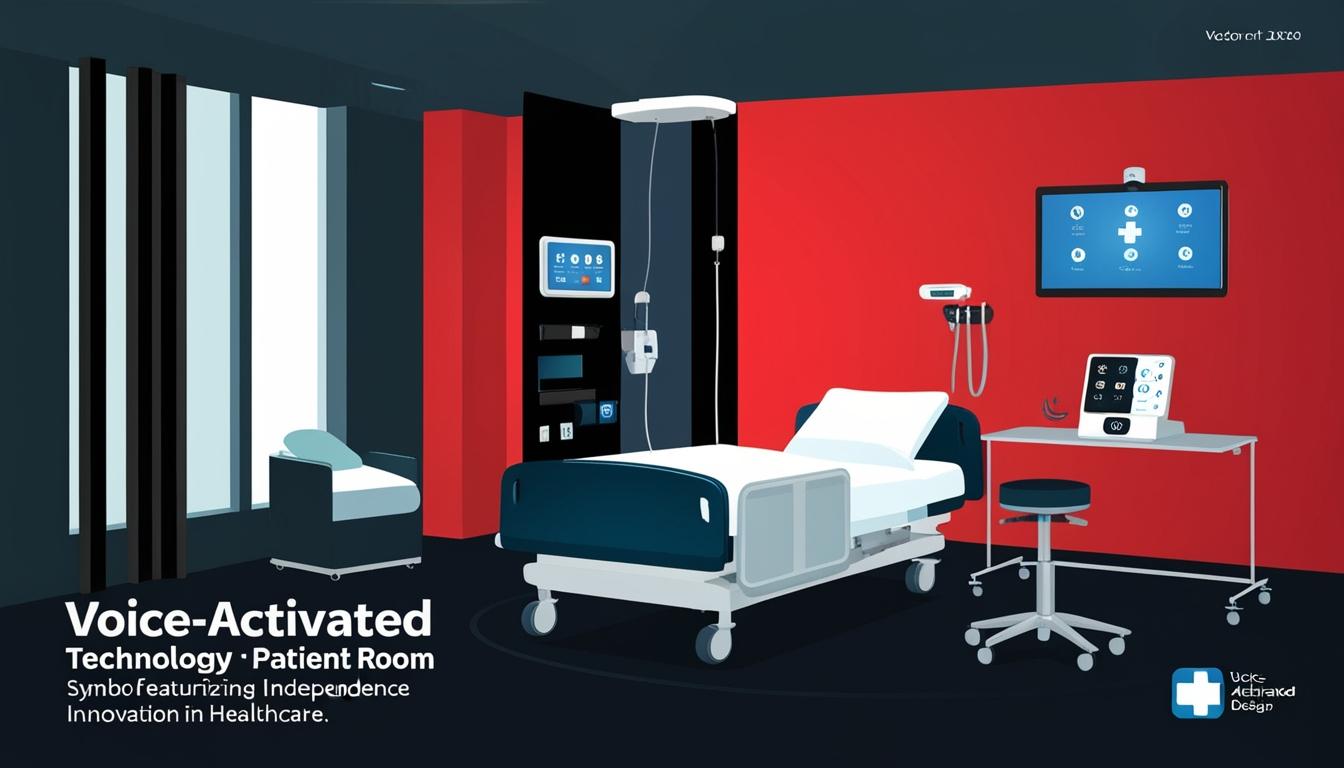
Nottingham University Hospitals NHS Trust (NUH) has commenced a trial of innovative assistive technologies aimed at enhancing patient independence and improving overall healthcare delivery. The initiative, which features personalised and voice-activated environmental controls, is currently being implemented at Linden Lodge, the trust's 25-bed neuro-rehabilitation unit.
The pilot programme utilises products from Schneider Electric, a company renowned for its expertise in digital transformation, energy management, and automation solutions. The technology being tested allows patients to control various aspects of their room environment, including temperature, lighting, and blinds, either through a bedside terminal or via voice command, particularly benefiting those with reduced mobility.
Lisa Yates, Digital Strategy Lead at NUH, articulated the significance of these technologies, saying, “All the technologies we are currently testing at Linden Lodge are critical in giving our patients a sense of independence as they receive treatment after serious illness or injury.” She noted that the ability for patients to adjust their environment contributes positively to their experience and further reduces the demand on clinical staff, allowing them to concentrate more on patient care and rehabilitation.
Current technology trials utilise Schneider Electric’s EcoStruxure Connected Room Solutions for Healthcare, designed to facilitate individual control over environmental factors within patient rooms. This platform interfaces seamlessly with Schneider Electric’s EcoStruxure Building Data Platform and EcoStruxure HVAC, enabling the secure control and connection of IoT-enabled devices within the facility.
Schneider Electric’s Vice President of Digital Energy UK&I, Kas Mohammed, shared insights on the collaboration, stating, “We’ve worked hand-in-hand with NUH in a challenging environment. It’s a busy facility, often at maximum patient capacity, so our work had to be carefully planned and delivered so there was no impact on patient care.” Mohammed also highlighted the complexities of working within an older building that necessitated a high degree of flexibility in both design and installation processes.
The pilot not only aims to refine the use of room controls but also serves as a preparatory step for the upcoming National Rehabilitation Centre, which is scheduled to open in the summer of 2025, following a significant investment of £105 million. In addition to environmental controls, NUH is exploring other technologies, including equipment tracking and artificial intelligence-powered CCTV, as part of its broader strategy to enhance rehabilitation services.
As the trial continues, Nottingham University Hospitals NHS Trust is poised to select the optimal technologies that will inform the development and operational efficiencies of the National Rehabilitation Centre, ensuring state-of-the-art care that aligns with contemporary patient needs and expectations.
Source: Noah Wire Services