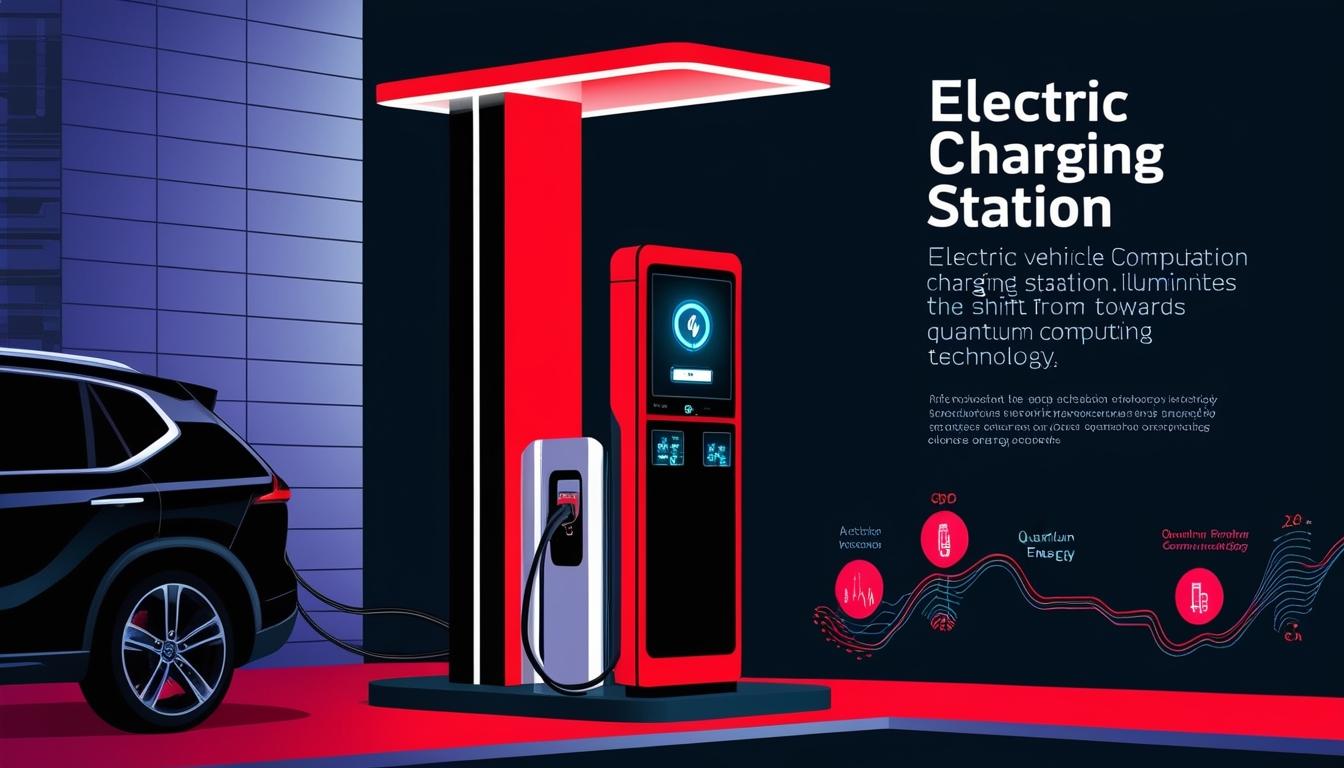
The automotive industry is undergoing a significant transformation, particularly in the context of electric vehicles (EVs), which are increasingly seen as vital in the fight against climate change. According to the U.S. Department of Energy, EVs accounted for 7.2% of new vehicle sales in the United States in 2023, with expectations for growth in 2024. Conversely, Europe has experienced even higher adoption rates, with fully electric and plug-in hybrid vehicles making up 23.6% of new car sales last year, as reported by the European Environment Agency.
Despite these encouraging figures, various challenges impede the wider acceptance of EVs. Notably, affordability remains a primary concern for many drivers and fleet owners. Initial purchase prices, in addition to considerations of performance, maintenance, and the current state of charging infrastructure, continue to factor into consumer decisions regarding EV adoption.
To tackle these challenges effectively, major automotive manufacturers are increasingly turning to quantum computing, a technology that could expedite advancements in the industry. A report from McKinsey suggests that quantum computing could contribute an economic value between $50 billion and $100 billion to the automotive sector by 2035 by optimising various facets of the production process.
Quantum computing fundamentally differs from traditional computing by employing qubits, which can represent both 0 and 1 simultaneously. This unique capability enables quantum computers to solve complex problems significantly faster, offering a powerful tool for the automotive industry. For example, manufacturers are currently exploring its potential to develop more efficient batteries that can store greater energy, thus addressing one of the main limitations of EVs: driving range.
Ford, Volkswagen, and Hyundai are among the manufacturers investing in quantum computing to enhance battery technology. They aim to simulate new compounds at a molecular level to create lighter, more robust battery layers that offer increased energy density. Classical computing struggles with complex molecular interactions, whereas quantum computing can provide rapid and precise simulations that support the exploration of materials and configurations for improved battery performance.
Another aspect where quantum computing may have a transformative impact is in the optimisation of drivetrains, which require managing energy across multiple components. Given the intricacies of modern vehicles, understanding the interactions within these systems necessitates comprehensive simulations, a task that quantum computers can handle more effectively than their classical counterparts.
Additionally, the quest to shorten EV charging times is a priority for the industry. The goal of making charging as swift as filling a petrol tank remains unfulfilled, but there have been notable advancements. Recent developments include battery technology that can recharge from 10% to 80% in just over four and a half minutes. Quantum computing has the potential to streamline the optimisation of battery compounds and structures, improving charging efficiency while maintaining battery health.
The challenges do not stop with the vehicles themselves. As millions of EVs hit the roads, the demand on national electricity grids will increase substantially, necessitating careful optimisation of energy distribution. Quantum computing can aid in this complex endeavour, helping to ensure that the necessary electricity is available where and when it is required.
Major manufacturers, including Ford, BMW, and Volkswagen, are already investigating the applications of quantum computing across various sectors within their businesses. They recognise the importance of creating digital transformation roadmaps that incorporate this advanced technology alongside traditional computational resources. With substantial investments in research and development, the automotive industry's focus on quantum computing signals an intent to reshape manufacturing processes, optimise supply chains, and enhance vehicle design.
As this technology matures, it is expected to play a pivotal role in facilitating broader EV adoption among consumers and businesses alike, fundamentally altering the future landscape of mobility. As manufacturers continue to innovate and adapt, the prospects for quantum computing in the automotive arena present compelling opportunities, with significant economic implications anticipated in the coming years.
Source: Noah Wire Services