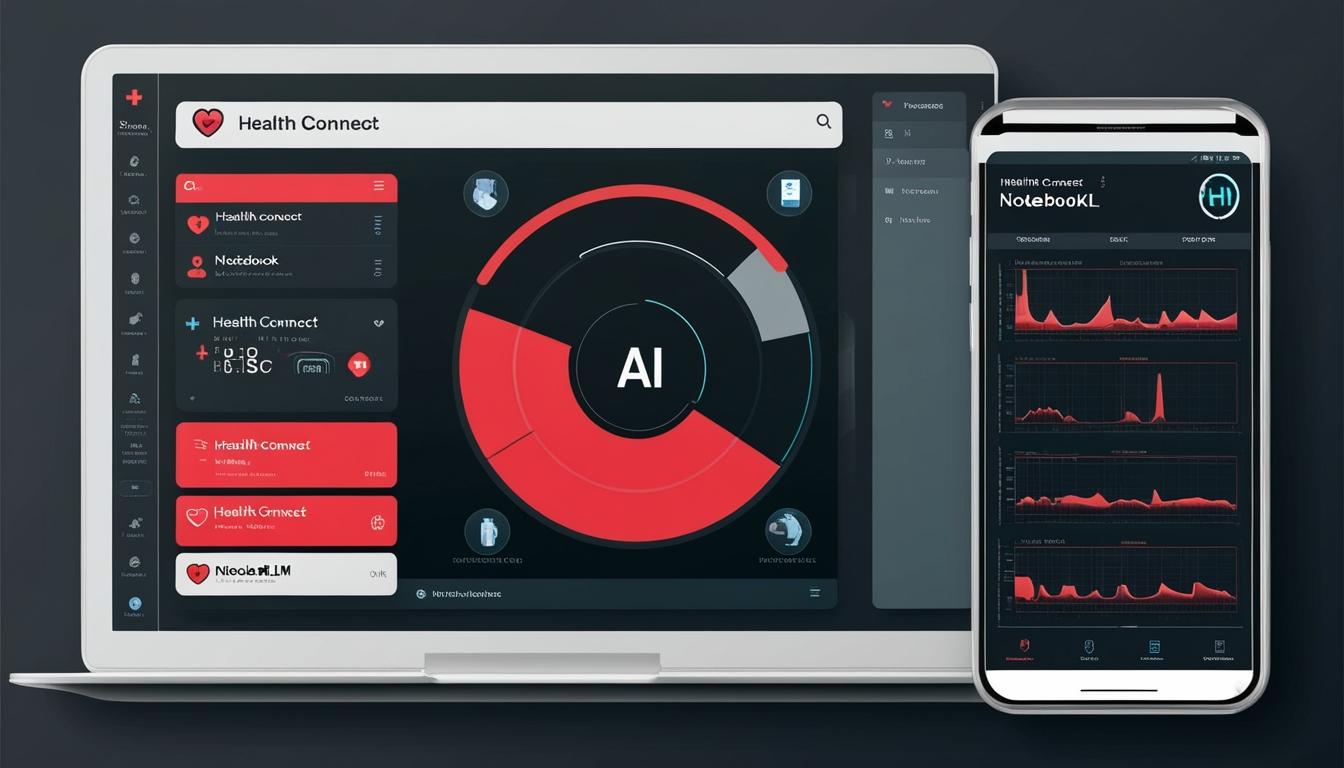
The future of healthcare is poised for a significant transformation with the integration of artificial intelligence and data management technologies, highlighting a shift towards automated and personalised health monitoring systems. As the healthcare landscape grapples with issues stemming from fragmented patient data across diverse apps and devices, two emerging technologies—Google Health Connect and Google NotebookLM—are being positioned as potential game changers.
Currently, individuals often find their health data scattered across various applications, wearables such as fitness trackers, and medical records maintained by different healthcare providers. This disjointedness hampers both patients' ability to access their complete medical histories and healthcare professionals' capacities to deliver optimally tailored care. The problem of interoperability is at the forefront of current challenges, leading to limited preventive care options and consequently poorer health outcomes. As Ray Kurzweil, a noted inventor and future technology expert, has projected, advancements in these areas may allow us to achieve what he terms "longevity escape velocity" within the next five years, thus enabling technological innovations to potentially reverse the aging process before 2030.
Health Connect has emerged as a promising solution to the known challenges of data fragmentation in health management. Acting as a central clearinghouse, Health Connect aggregates health data from various sources, including wearables, health applications, and electronic medical records (EMRs). While some healthcare providers are integrating their EMRs with Health Connect, progress varies by location and organisation, indicating that the broader application of this technology remains in its nascent stages. This would theoretically provide a comprehensive health profile by consolidating various metrics, from daily steps logged on fitness trackers to dietary habits and clinical data.
Despite its promise, Health Connect raises vital concerns regarding data privacy. The platform employs a multi-layered security approach, giving users granular control over data access, with stringent encryption protocols for data both in transit and storage. Users are advised to stay vigilant about app permissions and data usage.
In tandem with Health Connect, Google NotebookLM could serve as an advanced data repository and analytical tool designed to enhance individualised healthcare. Acting like an AI-driven health assistant, NotebookLM has the capability to process large datasets, recognise patterns, and predict potential health risks based on individual health profiles. For example, a patient with asthma could benefit from an analysis of their health data, where NotebookLM identifies triggers and suggests adjustments to their management plan to reduce asthma attacks.
Additionally, NotebookLM could play a critical role in the early detection of chronic diseases by synthesising diverse health indicators, including blood pressure variations, daily activities, and sleep habits. By identifying early warning signals, healthcare providers could implement preventive measures that mitigate disease progression, potentially improving patient outcomes significantly.
The integration of Health Connect and NotebookLM marks a pivotal moment in the evolution of healthcare, fostering a landscape conducive to preventive care. This synergy has the potential to empower individuals throughout their life stages by providing tailored health insights, enhancing treatment outcomes, and contributing to longer, healthier lives. However, the anticipated impact extends beyond individual advantages; collectively, these technologies could reshape the entire healthcare ecosystem.
Despite their promising outlook, the integration of artificial intelligence in healthcare is not without challenges. Issues such as maintaining accuracy, privacy concerns, and ensuring seamless interoperability with existing healthcare infrastructures are critical hurdles that must be navigated to realise widespread adoption.
As the healthcare sector progresses towards the utilisation of these innovative technologies, experts assert that responsible AI development and the adherence to strict patient confidentiality will be essential in establishing a new paradigm of health management. The evolving landscape of automated and AI-integrated healthcare systems indicates a future in which individuals may possess more control over their health journeys than ever before.
Source: Noah Wire Services