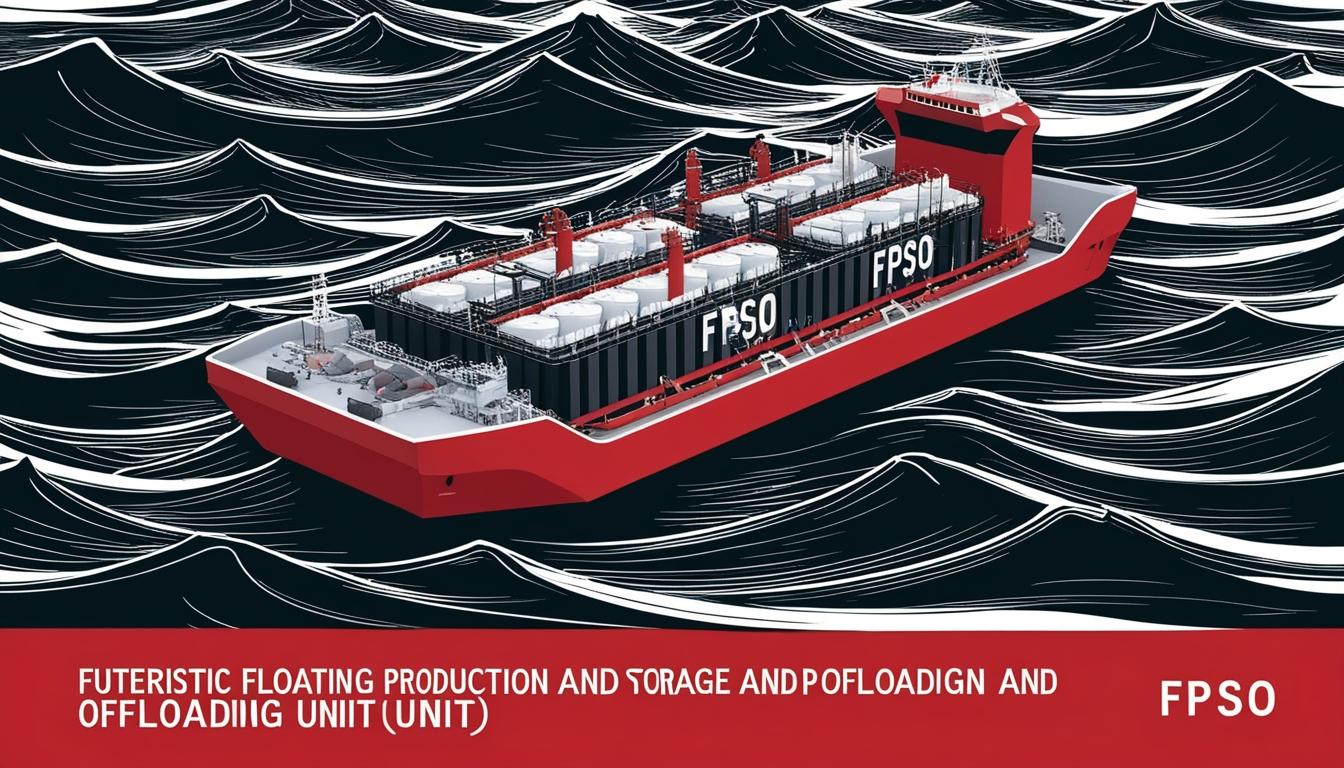
Seatrium, in collaboration with the Technology Centre for Offshore & Marine, Singapore (TCOMS), is set to advance the field of offshore engineering through the exploration of cyber-physical modelling capabilities aimed at predicting environmental loads on Floating Production Storage and Offloading units (FPSOs). This partnership follows recent scaled model testing at TCOMS’ ocean basin facility, where the latest series of FPSOs designed for Petrobras was assessed to validate their global and station-keeping performance.
The two FPSOs, designated as P-84 and P-85, are anticipated to be deployed to the Santos Basin, approximately 200 kilometres offshore from Rio de Janeiro, Brazil, in the coming years. These units are notable for integrating advanced technologies and embodying a new generation of offshore production assets, which are engineered to operate with reduced greenhouse gas emissions.
Collaboration between Seatrium and TCOMS is already well established, with engineers and scientists working together to co-create, stress test, and validate future ocean systems and infrastructure solutions. The efforts also extend to conducting numerical simulations and physical tests in TCOMS’ ocean basin facility. These techniques are designed to simulate and assess the performance of ocean systems, including those still in the conceptual stage, under both standard and extreme ocean conditions.
The application of smart sensing, artificial intelligence, and data analytics in these modelling and simulation efforts is expected to enhance field performance substantially. The initiative to develop digital twins, utilising the extensive data accumulated during the model tests, represents a significant advancement in the offshore industry. Digital twins provide a virtual representation of physical assets, which can further optimise operational performance and environmental compliance.
Source: Noah Wire Services