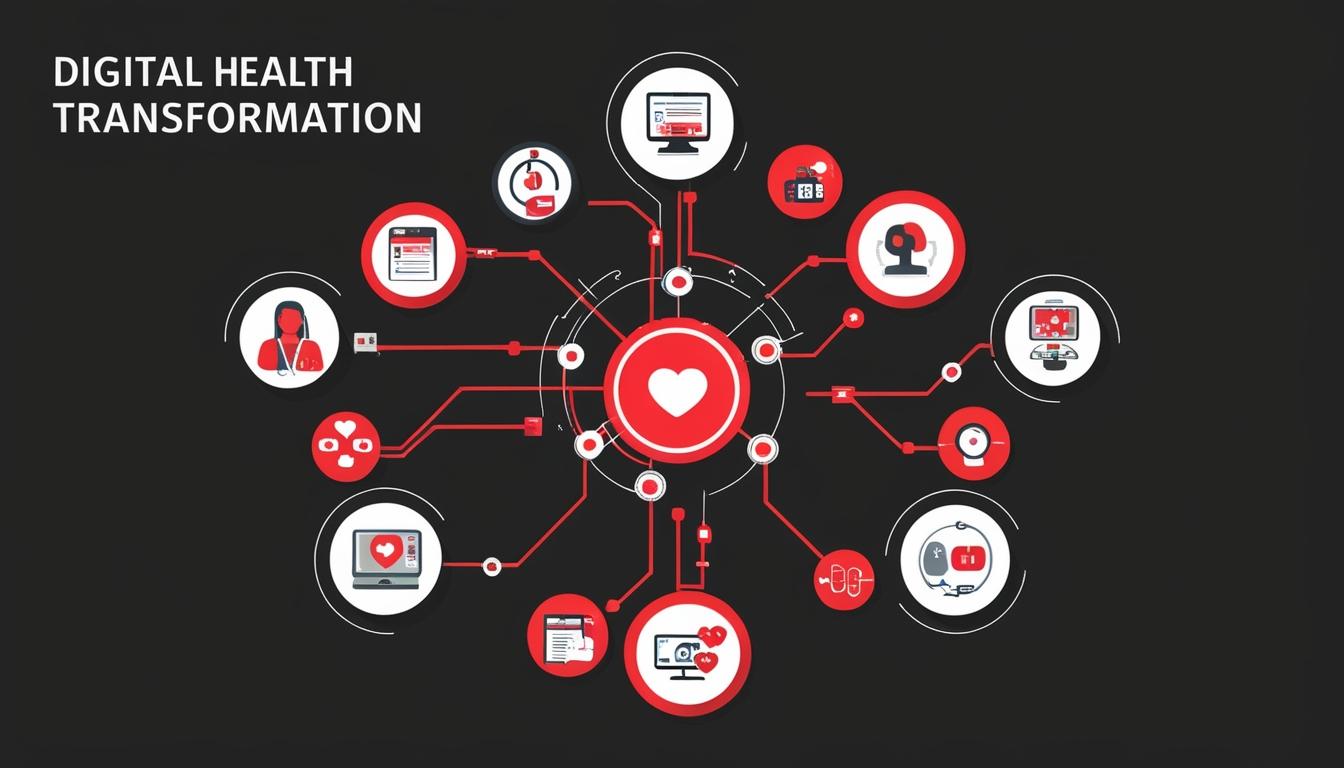
The Shropshire Health and Wellbeing Board has released an update on its digital strategy within the Integrated Care System (ICS) for Shropshire, Telford and Wrekin, detailing key accomplishments since March 2024. This update marks significant progress in multiple domains, including the rollout of Electronic Patient Records (EPR), advancements in digital diagnostics, and improvements in virtual care and remote monitoring.
Foremost among the advancements is the establishment of strong digital leadership across the Integrated Care Board (ICB). The report highlights the significance of Chief Medical Officer (CMO) and digital lead roles that are now operational within the ICB. Furthermore, all system partners have been equipped with Chief Information Officers (CIO) or equivalent positions, alongside dedicated programme leads. A newly formed Digital Delivery Group has been created to provide central oversight and coordination for digital initiatives.
The report also underscores efforts in digital inclusion, noting the introduction of the Reasonable Adjustment Digital Flag (RDAF) programme designed to assist patients who require adjustments in order to access digital services. Progress is being made in integrating patient portals with the NHS app, enhancing accessibility for users.
In terms of care transformation, the Digital Social Care Records initiative has succeeded in engaging 75 care providers over a three-year period. Shropshire Council has initiated virtual care delivery with the GenieConnect platform, with plans for pilot testing of lifestyle monitoring sensors. In primary care, all general practitioners (GPs) have successfully implemented the EMIS clinical system, and efforts are underway to upgrade critical network infrastructure.
The report also provides details on integrated care records and population health management. The implementation of the Shared Care Record under the Graphnet contract has established a crucial framework for data-sharing across the ICS, allowing clinicians and care providers access to real-time patient information and facilitating collaborative care. Furthermore, a key achievement has been the development of a data feed across the ICS that seamlessly integrates with the One Health & Care Shared Care Record.
Significant advancements have also been reported concerning the rollout and integration of EPR systems. The report details the implementation of System C Careflow EPR at acute trusts, Access Group's RIO EPR at community trusts, and the continuation of EMIS deployment across primary care, in addition to the rollout of the CLEO Electronic Prescribing and Medications Administration system at Midlands Partnership NHS Foundation Trust (MPFT).
Despite these advancements, the report identifies several challenges that persist in realizing the objectives of the ICS's digital strategy. These include the need for sustainable funding, enhancements in system interoperability, and the need for greater digital inclusivity.
The key objectives of the digital strategy are focused on implementing frontline systems that support safer clinical practices, strengthening cybersecurity and infrastructure resilience, improving digital inclusivity, fostering system integration, optimising the workforce, enhancing care quality through digital tools, and increasing staff productivity.
To achieve the ICS's vision of a “digitally enabled, equitable health and care system by 2028”, the report outlines several recommendations. These include broadening digital inclusivity and access through partnerships, introducing digital literacy programmes, and distributing devices to underserved communities. There is an emphasis on expanding virtual care solutions, particularly for rural and underserved populations, which aim to alleviate pressures on hospital services. The report suggests reassessing the approach to remote monitoring, especially considering the discontinuation of the Docobo solution.
Additional recommendations involve seeking further funding for digitalisation projects, enhancing interoperability and data integration, strengthening cybersecurity measures, and improving workforce digital literacy.
In parallel, recent discussions by Health Tech Newspaper (HTN) have highlighted emerging trends in digital transformation within the health sector. A panel of specialists discussed the implications of the Darzi report in promoting digital change and examined the necessary steps to transition from a focus on diagnosis and treatment to a model that prioritises prediction and prevention. The discussions also touched on managing the complexities of Electronic Health Records (EHR) in a resource-constrained environment, which presents unique challenges in ensuring the timeliness and accuracy of health information.
The dialogue included insights from various health sector representatives on their digital transformation journeys, further underscoring the shifting landscape and technological advancements within the industry.
Source: Noah Wire Services