In the past week, significant developments in artificial intelligence (AI) have emerged from high-profile figures and companies, highlighting the current trends and future implications of this rapidly evolving technology.
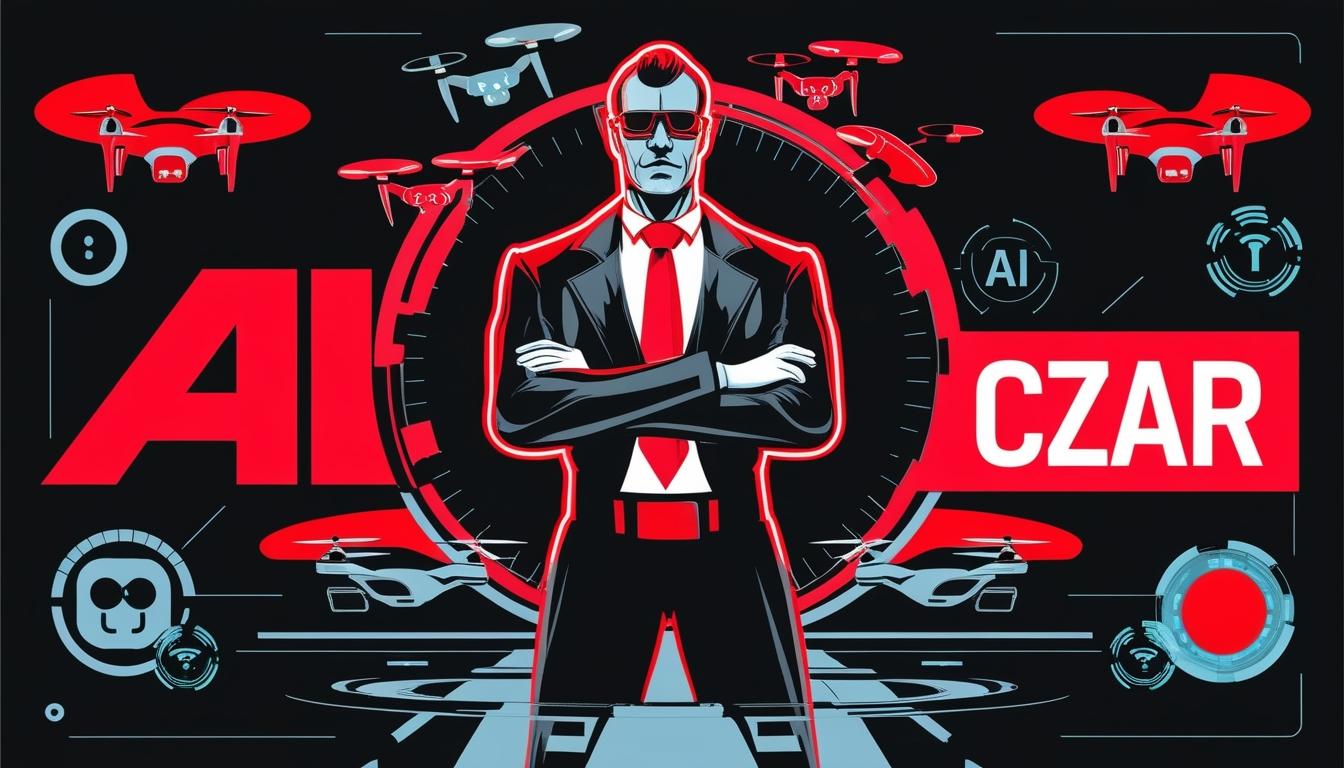
The Trump administration is reportedly contemplating the establishment of an 'AI czar' position, which would be responsible for steering federal policy and government operations concerning artificial intelligence. Though Elon Musk, CEO of Tesla and a prominent advocate for AI advancements, is not a candidate for this role, he is anticipated to hold considerable sway over AI policy decisions. Musk, along with Vivek Ramaswamy, is leading Trump's Department of Government Efficiency (DOGE) and will play a key role in the selection of the prospective AI czar.
In parallel, Alibaba Group has made strides in AI with the introduction of a new model, QwQ-32B-Preview, which is poised to rival OpenAI's o1 reasoning model, backed by Microsoft. Developed by Alibaba's Qwen team, this model is notable for its impressive 32.5 billion parameters, enabling it to process prompts of up to 32,000 words. Further distinguishing itself from competitors, QwQ-32B-Preview is available under a permissive license, allowing users to download and implement it more freely.
Cathie Wood, founder and CEO of ARK Investment Management, has underscored the significance of Tesla in the context of AI, branding it as "the largest AI project on Earth." In her analysis, Wood emphasises the transformative potential of artificial intelligence across various sectors, positioning it as a cornerstone for future technological advancements.
In a similar vein, Marc Benioff, CEO of Salesforce, has expressed a cautionary perspective on the trajectory of AI development. Speaking to the publication, he noted that the industry may be nearing the "upper limits" of large language models (LLMs), like OpenAI’s ChatGPT. Benioff advocates for a shift towards the development of autonomous agents, which are capable of performing tasks independently, rather than relying solely on large language models for progress.
Moreover, Elon Musk has shifted the conversation towards the military applications of AI technologies. He argues that autonomous drones and artificial intelligence will revolutionise military combat strategies, suggesting that "future wars are all about drones & hypersonic missiles." Analyst Pierre Ferragu has echoed this sentiment, proposing that Defence Department budgets should be redirected to support innovative startups, drawing a parallel to the approach taken by NASA two decades ago.
These narratives reveal a multifaceted landscape in which AI is not only a driver of business innovation but also a pivotal element in policymaking and military strategy. The ongoing developments illustrate the significant role AI is expected to play across various sectors, shaping both business practices and broader societal frameworks.
Source: Noah Wire Services