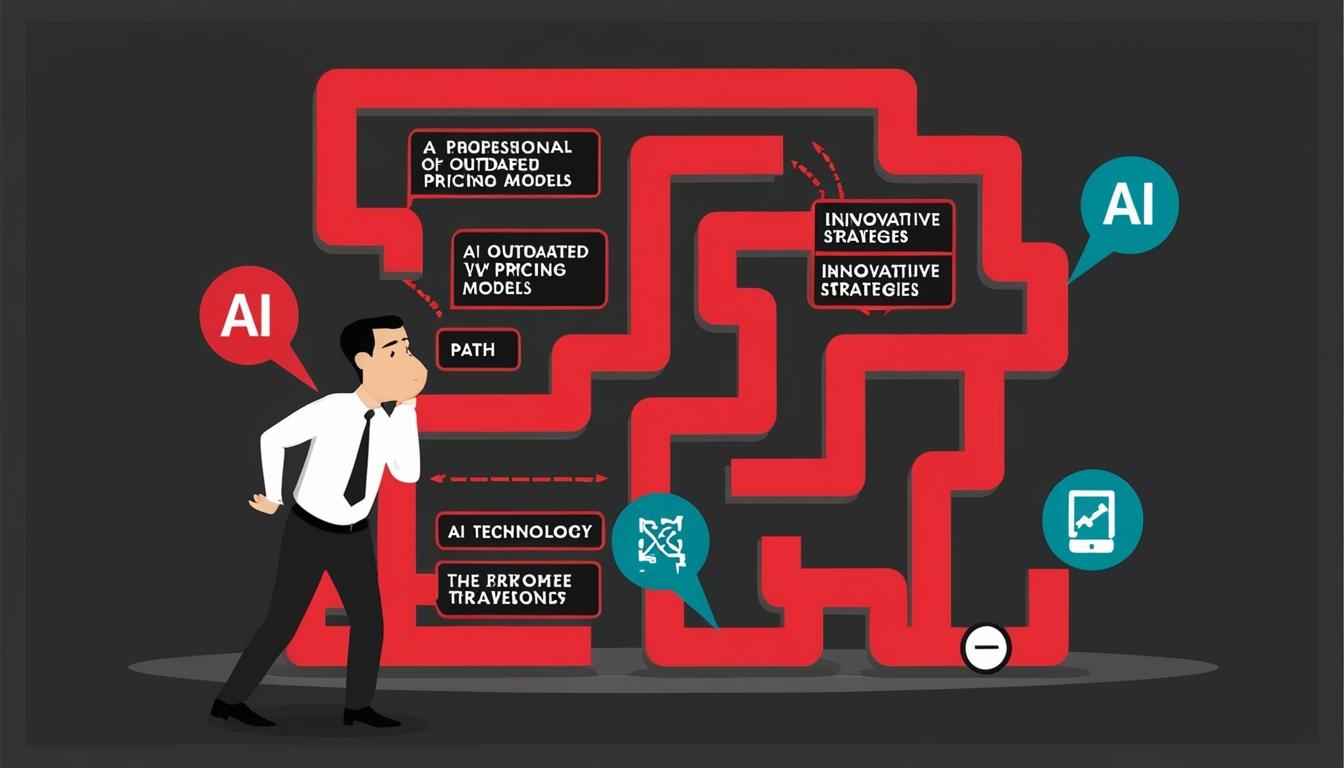
In today's rapidly evolving business landscape, the integration of artificial intelligence (AI) into operations has spurred changes that extend beyond technology, affecting core business strategies such as pricing models. Tracey Shirtcliff, the founder of SCOPE Better, addressed the critical relationship between profitability and pricing strategies in a piece for European CEO, highlighting the surprising lack of focus on pricing in many B2B service providers.
Shirtcliff contends that on average, businesses devote only six hours throughout their existence to the critical task of pricing, raising questions about the effectiveness of this approach. “How much time went into selecting your pricing model, and have you revisited it since?” she asks, indicating that many B2B companies overlook the importance of regularly reassessing their pricing structures.
This issue is particularly pronounced in the B2B professional services sector, which tends to view pricing as a mere tool for negotiation rather than a strategic component of business development. This narrow perspective can lead to diminished profit margins, customer alienation, and even adverse effects on company culture and brand reputation. "With the ‘wrong’ pricing model, it is easy to alienate your customers," she warns, noting that inconsistencies in pricing can drive potential clients away before any negotiation can take place.
Shirtcliff elaborates that many B2B firms default to mimicking the pricing strategies of competitors rather than developing a customised approach tailored to their unique value propositions. This lack of differentiated pricing can dilute brand identity and render it difficult for businesses to stand out in crowded markets. “If every business in the industry carries the same pricing model and a similar price point, there is little to recommend an individual company to a customer,” she states.
One promising trend discussed is the shift towards deliverable-based pricing, which evaluates services based on the end value delivered rather than the time or effort expended. This approach aligns well with the deployment of AI technologies by diminishing the focus on billable hours, thereby enhancing operational efficiency and allowing businesses to prioritise successful outcomes over the traditional metric of time worked. “With deliverable-based pricing, professional services firms are free to complete their scopes of work in the most efficient and effective ways to achieve results for the client,” Shirtcliff notes.
Implementing such a pricing model demands an inclusive approach involving various stakeholders within the organisation to craft a service menu that accurately reflects customer needs. According to Shirtcliff, the process should ideally involve collaborative input from management, customer service, marketing, and business development teams to build a robust pricing strategy that not only communicates value but also fosters brand loyalty.
In summary, the article conveys that while pricing holds a critical role in the success and identity of B2B companies, many remain tethered to outdated practices that fail to reflect contemporary market needs. The evolution of AI technologies and shifting customer expectations are compelling businesses to reassess their strategies. As Shirtcliff concludes, “Pricing directly impacts profit – this is a fact. Yet, many B2B companies still rely on outdated or arbitrary pricing strategies, even as the industry rapidly evolves.” This point underscores the urgent necessity for businesses to embrace comprehensive, transparent pricing frameworks that cater to modern demands for clarity and consistency in an increasingly competitive environment.
Source: Noah Wire Services