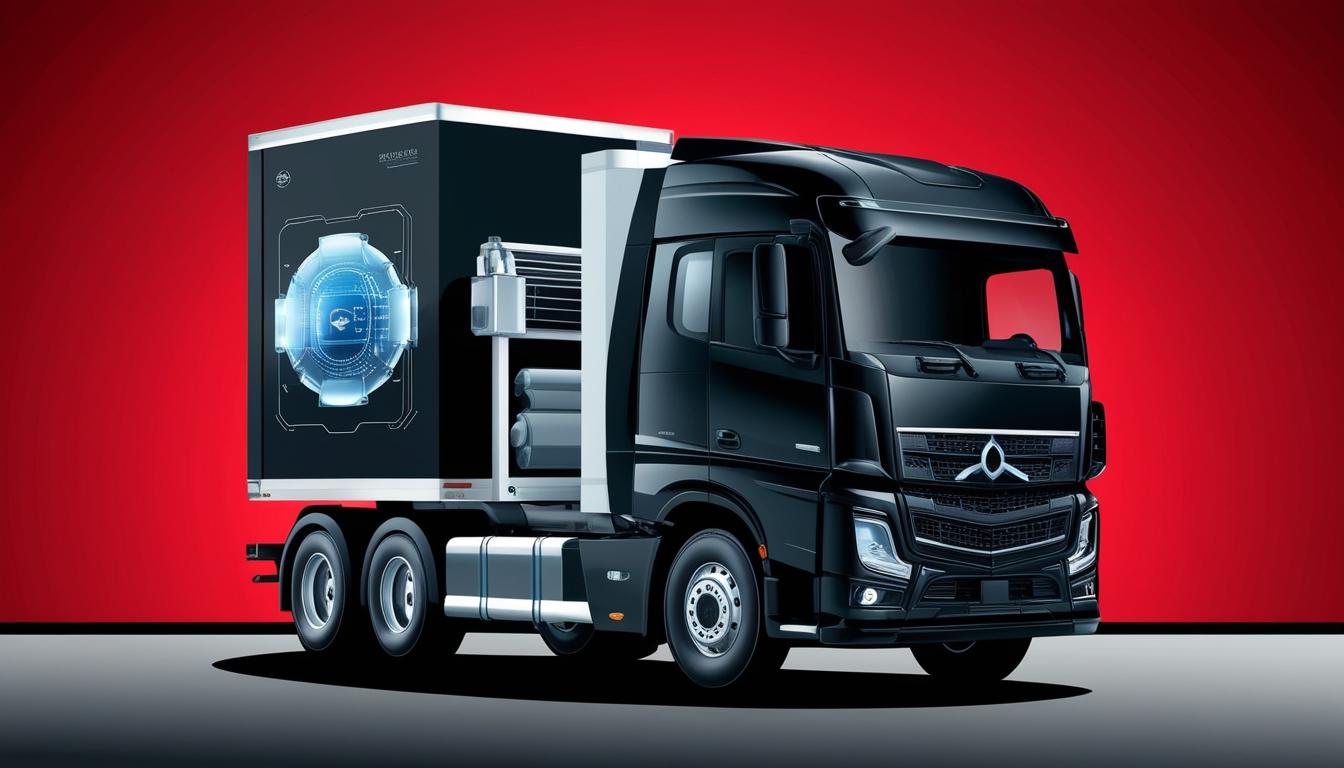
Cold chain food logistics is experiencing significant advancements, driven by increasing consumer demand and the integration of modern technology within freight logistics solutions. This sector, often overshadowed by other food logistics areas, presents unique challenges and requirements, making the role of skilled distributors and advanced technologies crucial.
Cold chain logistics is specifically designed to ensure the safe transport of perishable goods, maintaining an appropriate temperature throughout the supply chain. The market for cold chain logistics is projected to grow to $826.33 billion globally by 2032, reflecting a compound annual growth rate (CAGR) of 13%. This growth underscores the necessity for meticulous planning, advanced technology, and highly specialised equipment to keep perishable goods safe and intact.
The refrigeration of food presents multiple challenges, primarily focusing on the preservation of food safety and quality during transit. Common issues include equipment failures, which can lead to rapid temperature fluctuations, ultimately causing freezer burn or product damage. Speaking to Refrigerated Frozen Foods, industry experts indicate that "the breakdown of critical equipment is by far the largest concern in the logistics management process due to the potential damage it can cause in minutes." Proactive measures, such as collaborating with proven logistics companies and utilising advanced technological solutions, are essential to mitigate these risks.
Human error also significantly impacts cold chain logistics. As stated in the publication, "highly trained professionals should be the only parties to play an active role in the management of logistics," suggesting that a skilled workforce is necessary to manage operational efficiency and equipment carefully. Additionally, the high operational costs associated with cold chain logistics—exemplified by the expenses for temperature monitoring systems, refrigerated transport, and cold storage facilities—pose barriers for smaller entities striving to maintain competitive pricing.
Successful temperature control is paramount in maintaining the integrity of cold chain logistics. Various environmental factors, including humidity, moisture, and the presence of light, carbon dioxide, and oxygen, can accelerate the spoilage of perishable goods. Achieving optimal conditions requires high-tech equipment that ensures consistent temperature regulation while also monitoring environmental conditions from production and packaging through transport to distribution.
Crucially, logistics stakeholders are beginning to harness innovations such as GPS-enabled monitoring systems, allowing for real-time tracking of product temperatures throughout the supply chain. Such technology contributes to a more secure transport process by ensuring that temperature settings remain consistent and by generating a traceable record of safety compliance.
The loading and unloading processes present another critical area of risk, where the potential for temperature exposure spikes. Effective procedures during these periods are essential to safeguard product quality. Emerging tools like smart packaging enable logistics providers to monitor food safety in real time, measuring humidity levels, temperatures, and pathogen exposure along the supply chain.
Within the industry, there is also a growing emphasis on efficiency in transport strategies for perishable items. Selecting suitable transportation modes—balancing speed with cost—plays an important role in the efficacy of cold chain logistics. The utilisation of temperature-controlled environments during transport ensures that cold and perishable goods maintain their integrity.
Looking towards the future, the market for global cold chain logistics is anticipated to flourish substantially. Reports suggest that demand for frozen food products has surged by 34% since 2019, and forecasts predict a market volume increase with a CAGR of 5.4% from 2022 to 2030. As the industry expands, automation is expected to play a significant role in reducing human errors and enhancing operational speed. Automated systems can enhance product management by improving precision and efficiency, which should lead to lower costs and enhanced product quality.
Sustainability initiatives are also emerging as an essential aspect of cold chain logistics, prompting shippers to consider energy-efficient practices and food waste minimisation strategies amidst the increasing global demand for diverse products. As these trends continue to evolve, the need for advanced capabilities in the cold chain sector is evident. Technological advancements and improved precision management are likely to underpin the sector's growth trajectory, ensuring that consumers can expect high-quality cold products from various global sources.
Source: Noah Wire Services