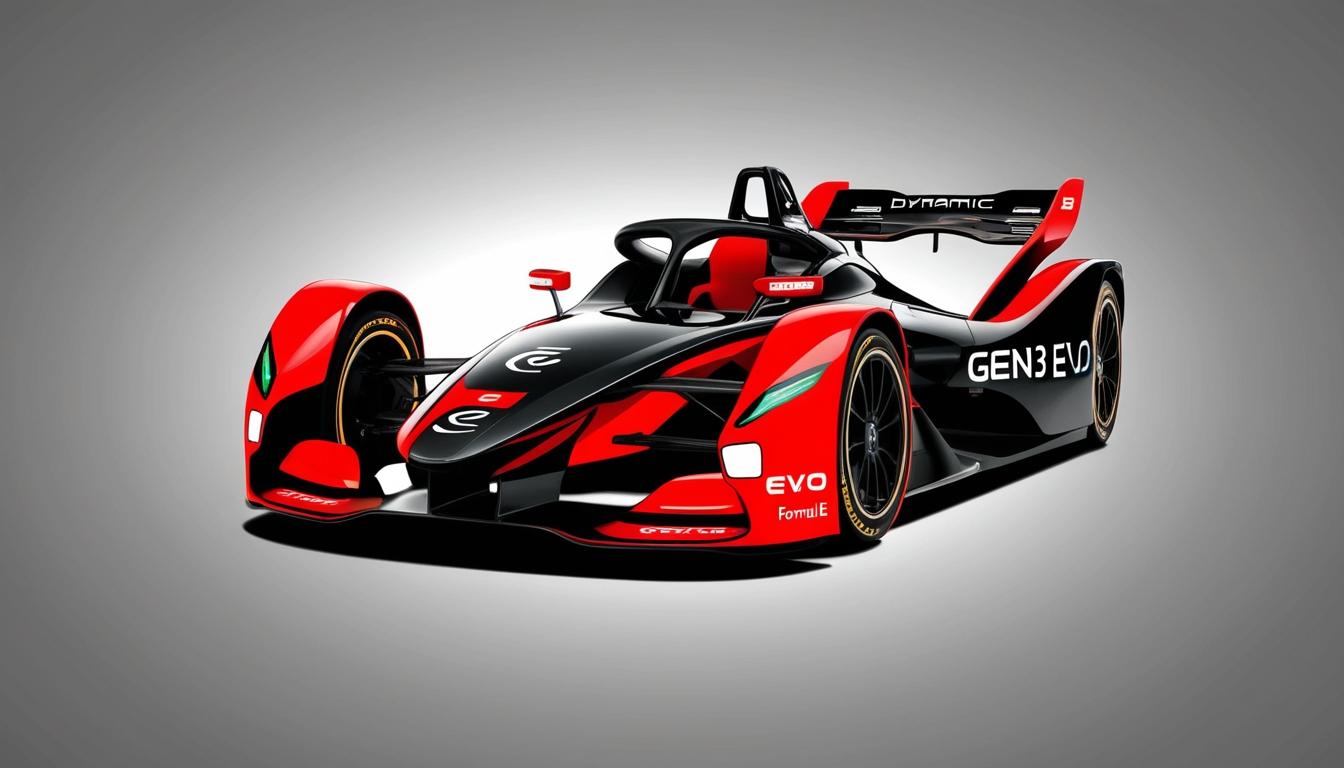
Significant advancements in the electric vehicle (EV) industry and the future of transportation have come to light, with multiple trends emerging that reflect the ongoing transformation in this sector. One prominent development is the introduction of the GEN3 Evo electric car in Formula E, which is set to debut on December 7, 2024, in Sao Paulo. This new model boasts impressive specifications, achieving acceleration from 0 to 60 mph in just 1.82 seconds and a top speed of 200 mph. The car features an aggressive new design focused on aerodynamics and durability, and will include all-wheel drive during qualifying and race starts, contributing to its expected performance gains over current models in motorsport.
Meanwhile, Canoo is pivoting towards a subscription-based model for its electric vehicles, directing its efforts towards businesses and urban fleets rather than individual consumers. Industry experts note that this strategy aligns with the growing trend of "car-as-a-service," which is projected to significantly expand in the coming years. By leveraging this model, Canoo aims to create additional revenue streams within the highly competitive EV market.
The future landscape of urban transportation is further highlighted by Renault's introduction of its small electric vehicle, the Mobilize Duo, which is designed with environmental sustainability in mind. Composed of 40% recycled materials and boasting 95% recyclability, the Duo is engineered to minimise emissions during both its manufacture and eventual reconditioning. Its production is reported to generate 66% fewer greenhouse gases than a traditional A-segment electric vehicle, with an entry price of approximately €9,000, making it an affordable and eco-friendly option for urban environments.
Technological progress is not limited to vehicle design; safety advancements are also a focus of innovation. Researchers from TU Darmstadt and MIT have developed methods for early detection of potential issues in battery systems using machine learning techniques. This approach could enhance the safety and reliability of batteries, which are essential components of electric vehicles, by allowing for real-time monitoring and intervention.
On a broader scale, China's electric vehicle market continues to experience explosive growth, surpassing 50% of retail passenger vehicle sales in four months from July. This shift has led to forecasts predicting a significant decline in gasoline demand, with estimates suggesting a drop of 4% to 5% per year through 2030.
While autonomous driving technology is still evolving, recent data has shown that self-driving cars are statistically safer than traditional vehicles in most conditions, except during dawn, dusk, and when navigating corners. The data was compiled from accident reports in California between 2016 and 2022, underlining the advancements in this technology as it becomes a more viable option for modern transportation.
In terms of air travel, the ES-30 all-electric aircraft, poised to make its inaugural flight in 2025, exemplifies the shift towards greener aviation solutions. This aircraft is designed to operate from shorter runways and aims to serve underserved communities via smaller 'pocket airports,' expanding access to air travel while reducing the carbon footprint of the aviation industry.
As innovations evolve, statistics show the remarkable impact of products associated with vehicles, such as tyres, on the environment. Research indicates that tyre wear contributes to approximately 28% of all microplastics entering ecosystems globally, raising concerns about pollution and food chain contamination.
The convergence of these emerging technologies and trends signals a pivotal shift in business practices across the transportation sector, with sustainability, safety, and innovation at the forefront of operational changes in the electric vehicle market.
Source: Noah Wire Services