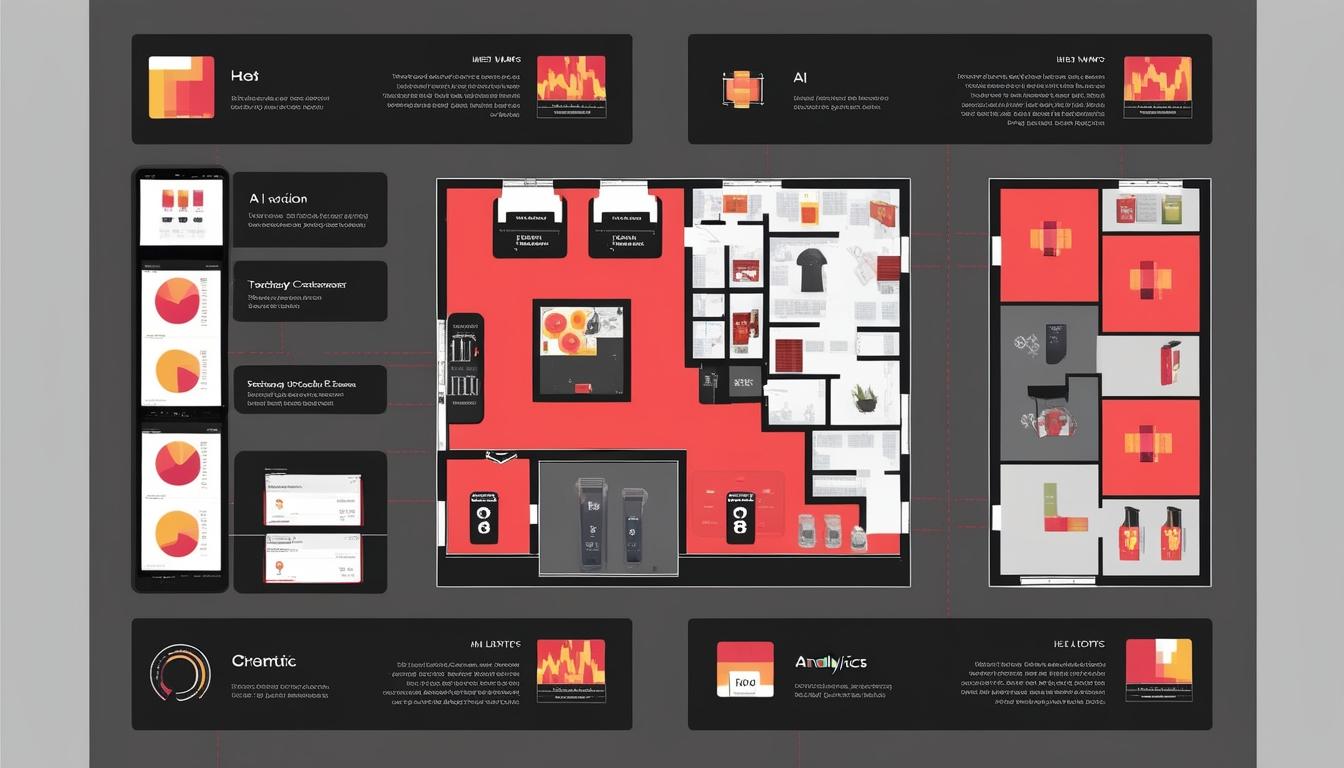
The retail landscape is undergoing a significant transformation as businesses increasingly adopt technology-driven solutions to enhance store layouts, customer engagement, and ultimately sales performance. According to a report by IT Supply Chain, the design of retail spaces is integral to shaping customer interactions and behaviours while shopping, influencing not just overall turnover but also establishing a brand's image.
The effectiveness of a store layout transcends aesthetics; it serves a functional purpose in guiding customers through the space in a way that encourages longer visits and greater purchase likelihood. The traditional methods of retail space planning have relied heavily on intuition and visual design, but this approach is now proving insufficient in a rapidly changing market environment. Historically, retail space design was considered an art form, often depending on subjective judgement and trial-and-error strategies. Store owners would create floor plans, draft mock layouts, or arrange products based on their instinctive understanding of consumer behaviour.
In contrast, the report highlights how advances in technology, particularly AI, heat mapping, and virtual reality, are revolutionising space planning in retail. These tools provide both qualitative and quantitative insights into customer behaviour, identifying which areas of the store attract the most customers and what products engage them most effectively. Retailers equipped with this information can make data-driven decisions, optimising their layouts in real time to create an enhanced shopping experience tailored to specific customer segments.
Among the key technological advancements cited is heat mapping. This innovation visually represents customer movement and foot traffic through colour-coded maps, identifying high-traffic zones, moderate areas, and regions that are frequently overlooked. Such insights enable retailers to strategically position high-margin items in areas of high visibility and customer interest. For instance, supermarkets have leveraged heat mapping to place impulsive buys like snacks and candies near checkout counters, where customers are most likely to make additional purchases due to convenience and proximity.
Additionally, artificial intelligence and machine learning are shaping a new paradigm in retail space planning. Through the analysis of vast datasets pertaining to customer behaviour and shopping patterns, AI solutions can offer real-time analytics that facilitate smarter product placement. Leafio.ai, for example, allows retailers to adjust their floor plans dynamically based on ongoing sales performance, ultimately striving to enhance both Sales Per Square Foot (SPSF) and Sales Per Square Meter (SPSM). Such adjustments can significantly improve store efficiency and labour cost optimisation.
Other notable technologies include beacon technology, which utilises wireless devices to engage customers directly through their mobile devices. By sending targeted notifications, special offers, and product recommendations, beacons enrich the shopping experience, encourage navigation, and can even inspire additional purchases. A practical application of this is when a customer receives an alert about a discount while in the fitting room, prompting them to consider additional items and increasing the overall likelihood of purchase.
The transition from manual to technology-enabled space planning is framed not merely as a trend but as a strategic imperative for retailers seeking to maintain competitiveness in a saturated marketplace. The report posits that embracing these technological innovations can help retailers create engaging, user-friendly environments that not only invite customers in but keep them engaged and willing to explore, leading to enhanced sales outcomes. As the retail sector continues to evolve, the continued integration of these technologies will be crucial for businesses looking to adapt to shifting consumer expectations and behaviours.
Source: Noah Wire Services