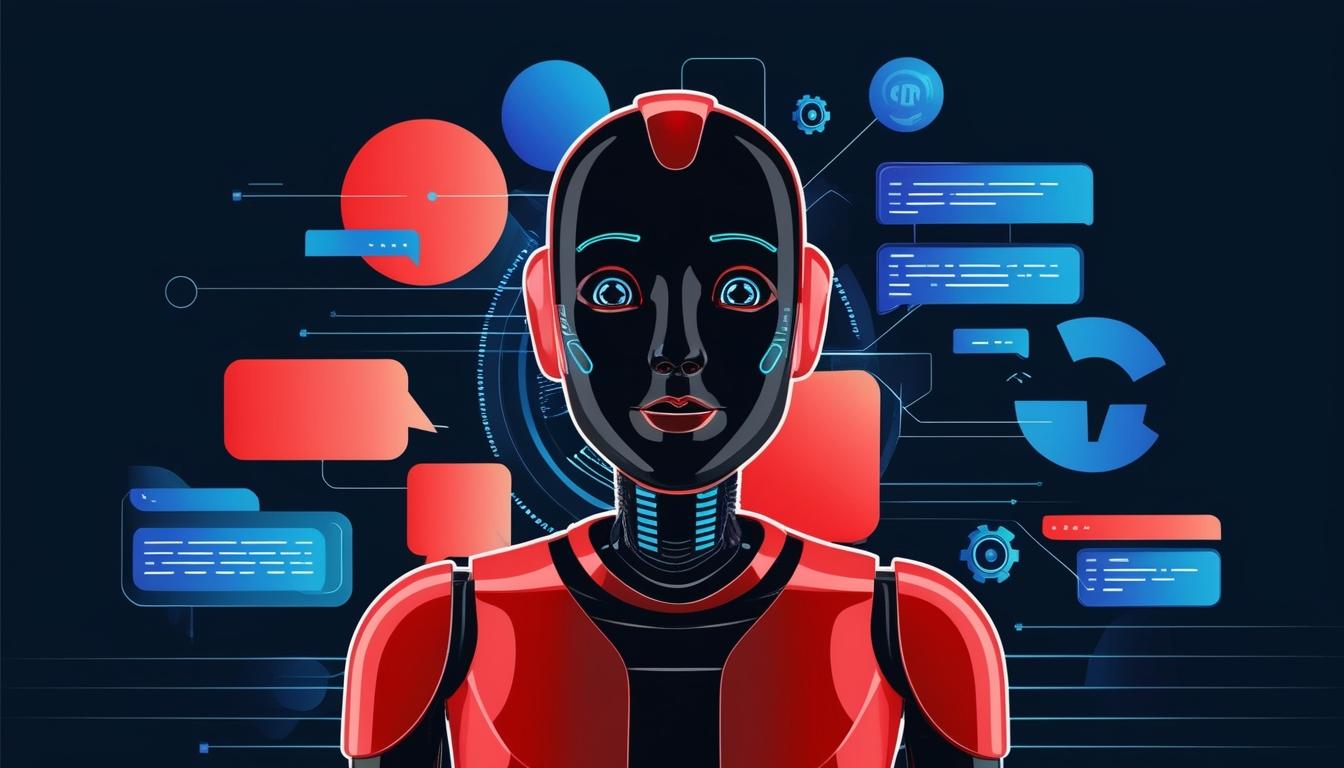
The rise of artificial intelligence (AI) in the form of sophisticated chatbots such as ChatGPT, Gemini, and Copilot is driving a shift in how businesses and individuals interact with technology. These chatbots have been designed not only to respond to inquiries but to mimic human language patterns, creating interactions that feel more personal and relatable. This phenomenon, known as anthropomorphism, involves attributing human-like characteristics to non-human entities, which can profoundly affect communication dynamics.
In recent developments, chatbots have advanced significantly, utilising language to facilitate natural, fluent, and accessible conversations. This versatility makes them suitable for various applications, including customer service, education, and entertainment. The innovations in generative AI have prompted scholars and practitioners alike to revisit longstanding beliefs regarding language as a uniquely human trait.
Christian Augusto Gonzalez Arias, a researcher at the University of Santiago de Compostela, articulated this point in an article discussing the implications of AI in communication. Speaking to Robotics & Automation Magazine, he noted that "one of the most distinctive traits of human language is subjectivity," which is expressed through emotional nuances and personal opinions. He described how chatbots effectively use first-person and second-person pronouns to construct a personal connection with users despite lacking true consciousness.
For instance, when a user poses a question about organising their home, the chatbot responds by adopting an advisory role, implicitly using phrases that suggest ownership of the advice given. The dialogue feels engaging, as the chatbot appears to address the user directly, fostering a semblance of empathy despite being driven by algorithms. Gonzalez Arias explained that this blend of simulated empathy and personal engagement constructs an interaction that seems human-like, arguably making conversations with AI feel practical and relevant.
However, the implications of such interactions extend beyond mere convenience. As users become accustomed to seamless and conflict-free exchanges with chatbots, they may develop changing expectations for human relationships. The article warns that this trend might lead to increased frustration when interacting with real people, as human relationships naturally encompass complexities, misunderstandings, and emotions that machines currently do not experience.
Additionally, prolonged engagement with AI systems that mimic human interactions raises important ethical and philosophical questions. It might blur the lines between genuine human communication and AI-generated simulations, leading to potential confusions regarding the nature of consciousness and emotional authenticity. Gonzalez Arias highlighted that society may begin to question the value of conscious life versus the perfection of simulation, potentially igniting debates about robot rights and the essence of what it means to be human.
In summary, the increasing anthropomorphism of AI technologies represents a complex interplay between technological advancement and human interaction. As these systems become more advanced, the long-term effects on social and cultural dynamics remain to be seen. The Robotics & Automation Magazine article underscores the necessity for ongoing awareness regarding how technology is shaping communication, relationships, and identity in an age where AI continues to evolve and integrate into everyday life.
Source: Noah Wire Services