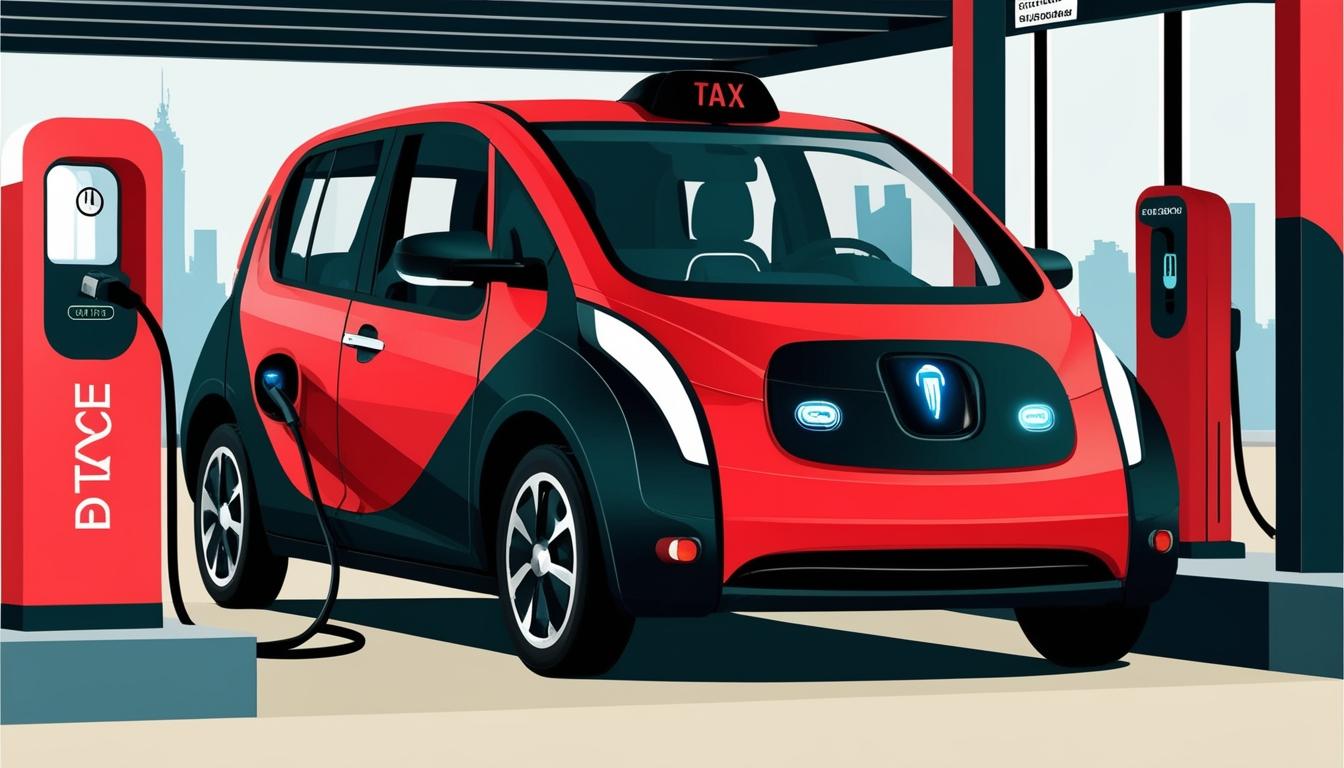
The global electric vehicle (EV) taxi market is experiencing unprecedented growth, with projections indicating it will exceed USD 59.4 billion by 2032. This surge is significantly influenced by factors such as sustainability, urban mobility initiatives, and advancements in technology that are reshaping the transportation landscape across the globe.
Over the past decade, the EV taxi market has evolved rapidly, driven by both governmental regulations and private-sector innovation aimed at reducing carbon emissions and enhancing energy efficiency. Stringent environmental regulations implemented by various governments are a primary catalyst for this shift. Countries like China, Norway, and India have introduced supportive policies that incentivize the adoption of electric taxis while imposing penalties on traditional combustion-engine vehicles.
Cost considerations also play a significant role in this market's expansion. While the initial purchase price of EVs may be higher than their fossil-fuel counterparts, the long-term savings on fuel and maintenance costs present a compelling case for taxi operators. With fewer mechanical components, electric vehicles require less upkeep, ultimately leading to increased profitability over time.
Technological advancements have further facilitated the rise of the EV taxi sector. Developments in battery technology—characterised by increased energy density and expedited charging capabilities—have mitigated some barriers to adoption. Contemporary electric taxis offer extended ranges and quicker charging times, making them an increasingly viable option for commercial use.
The rise of ride-hailing services such as Uber and Lyft in urban areas has also heightened demand for electric taxis. The integration of EVs into their fleets is seen as a way to align with customers' growing preference for environmentally friendly transport options and to support overarching sustainability goals.
Regionally, the Asia-Pacific market is leading the charge in electric taxi adoption, with China at the forefront. Key government incentives, coupled with robust manufacturing capabilities and a widespread charging infrastructure, have positioned China as a global leader. India, bolstered by initiatives like the Faster Adoption and Manufacturing of Hybrid and Electric Vehicles (FAME) programme, is emerging as a significant player.
In Europe, countries such as Norway, the Netherlands, and Germany are making considerable strides in the pivot towards electric taxis, backed by subsidies, tax exemptions, and urban regulations aimed at reducing diesel vehicle use. Meanwhile, North America, particularly the United States, is capitalising on technological innovations and infrastructure expansion to accelerate EV taxi adoption, with companies like Tesla and General Motors making substantial investments in charging networks.
Key market players shaping this landscape include Tesla, known for its high-performance EVs like the Model 3 and Model Y; BYD, a prominent manufacturer in China that supplies electric taxis like the e6; Nissan, which remains a popular choice due to its LEAF model; and Toyota, which applies its extensive experience in clean mobility to develop electric and hybrid taxi options. Additionally, Uber and Lyft are committing to transition their fleets to 100% electric by 2030 in major markets.
Despite its promising trajectory, the EV taxi market continues to face challenges. High initial investment costs, particularly in developing regions, can impede growth, though decreasing battery prices and government incentives are helping to offset these concerns. Moreover, a lack of sufficient charging infrastructure remains a barrier for fleet operators, underscoring the need for an expanded fast-charging network. Furthermore, the environmental implications of battery disposal and recycling present ongoing logistical challenges that the industry must address.
Looking towards the future, the EV taxi market is expected to see significant advancements. Urbanisation and increased congestion will likely lead governments to prioritise sustainable public transport solutions. Innovations such as autonomous driving—potentially revolutionising mobility with self-driving EV taxis—are on the horizon, alongside AI-powered fleet management systems designed to optimise operations and reduce downtime. Emerging technologies like wireless charging could also simplify the charging process, alleviating some existing barriers.
As battery prices decline and economies of scale in manufacturing are realised, EV taxis will increasingly become more accessible to fleet operators. The progress within this sector suggests that electric vehicle taxis will play a central role in the evolution of urban mobility, ushering in an era marked by sustainable, cost-effective, and technologically sophisticated transportation solutions. This transformation reflects a collective commitment to environmental stewardship and innovation, with the EV taxi market poised to become a fundamental part of daily commutes in the years ahead.
Source: Noah Wire Services