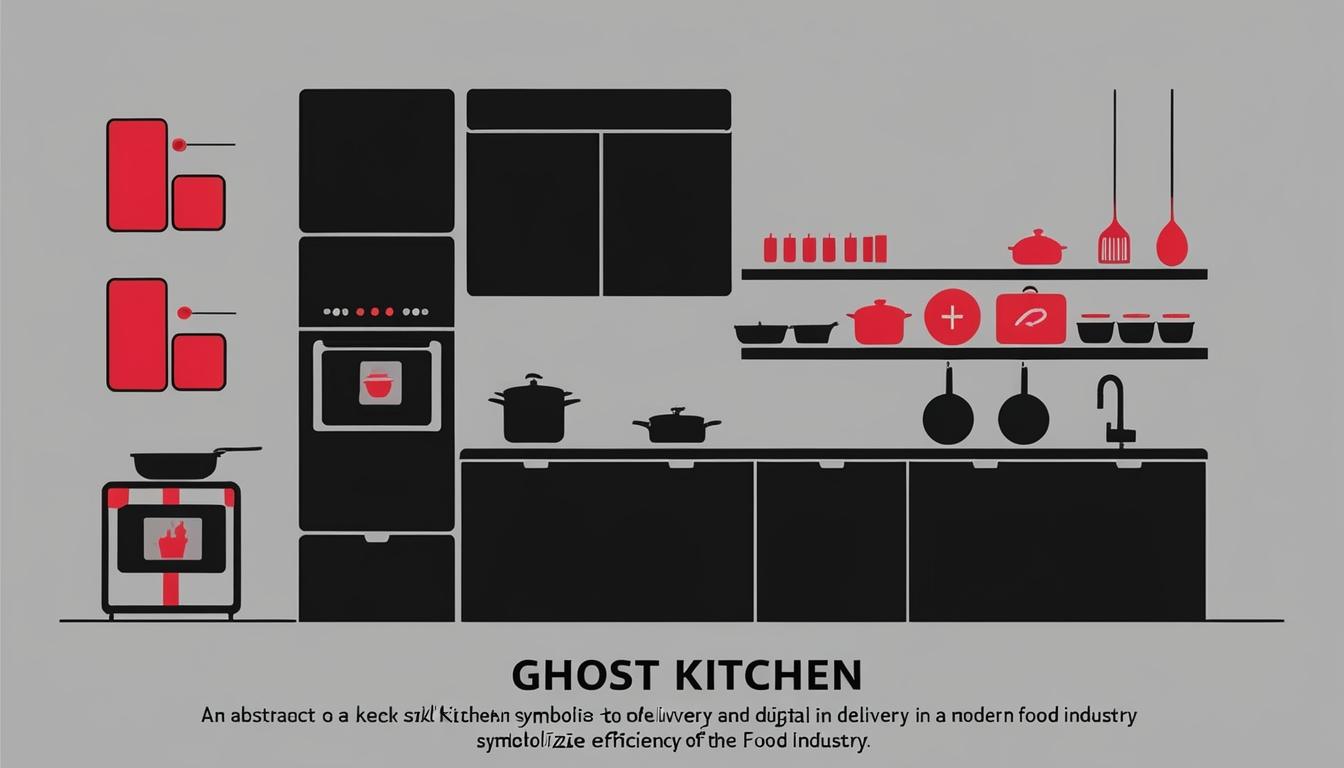
Ghost kitchens, also referred to as virtual kitchens, are rapidly transforming the food industry, emerging as pivotal players in global delivery and takeaway services. Projections estimate that by 2030 these operations could capture 50% of the global drive-thru and takeaway markets, reflecting significant changes in consumer behaviour and technological advancements. This emerging trend has been thoroughly examined by the publication TechBullion.
The rise of ghost kitchens is closely linked to digitalisation, as consumers increasingly demand convenience and speed, particularly in the food delivery sector. The COVID-19 pandemic significantly accelerated this shift, resulting in a surge in online food ordering, which has since become essential to modern consumption patterns.
Ghost kitchens are optimised facilities designed exclusively for handling online orders, and they operate without the traditional overhead costs tied to physical storefronts. This model prioritises operational efficiency and scalability, capturing a substantial share of the food market. Notably, major delivery platforms like Uber Eats and iFood are strengthening their market positions by forming partnerships with cloud kitchens, further enhancing the ecosystem.
The growth of ghost kitchens can be attributed to several key factors. Firstly, there has been a notable shift in consumer habits, with convenience and quick service taking precedence. Additionally, the cost-saving advantages of this model are considerable; ghost kitchens can function without customer-facing spaces, thus avoiding expenses related to renting physical locations and staffing.
Furthermore, advancements in order management technology have improved operational efficiencies, allowing these businesses to optimise processes from food production to delivery. The flexibility inherent in cloud kitchens also supports innovation, enabling quick testing of new culinary concepts tailored to specific consumer niches without requiring large upfront investments.
However, challenges loom for the ghost kitchen sector as predictions indicate significant hurdles by 2025. An escalating concern is market saturation, with numerous entrants flooding the segment, potentially leading to intense competition that could impact profit margins and service quality. Building consumer trust presents another major challenge; without a physical presence, ghost kitchens must heavily rely on online reviews and ratings, making them susceptible to issues related to hygiene, food quality, and delivery timelines.
Adding to these challenges is the inconsistent regulatory landscape many countries face in relation to the sector. The fluctuating laws regarding food safety, zoning, and taxation have not kept pace with the rapid growth of virtual operations, indicating a need for standardised regulations to mitigate legal ambiguities.
The transformation brought about by ghost kitchens is likely to be permanent and far-reaching, as they fundamentally reshape the food service market. While challenges such as market saturation and regulatory inconsistencies need to be addressed, the numerous opportunities presented by this innovative dining model are poised to significantly impact both new entrepreneurs and established chains.
The trajectory of off-premise dining is increasingly driven by the demands for convenience and efficiency, with ghost kitchens positioned to redefine the food sector by 2030.
Source: Noah Wire Services