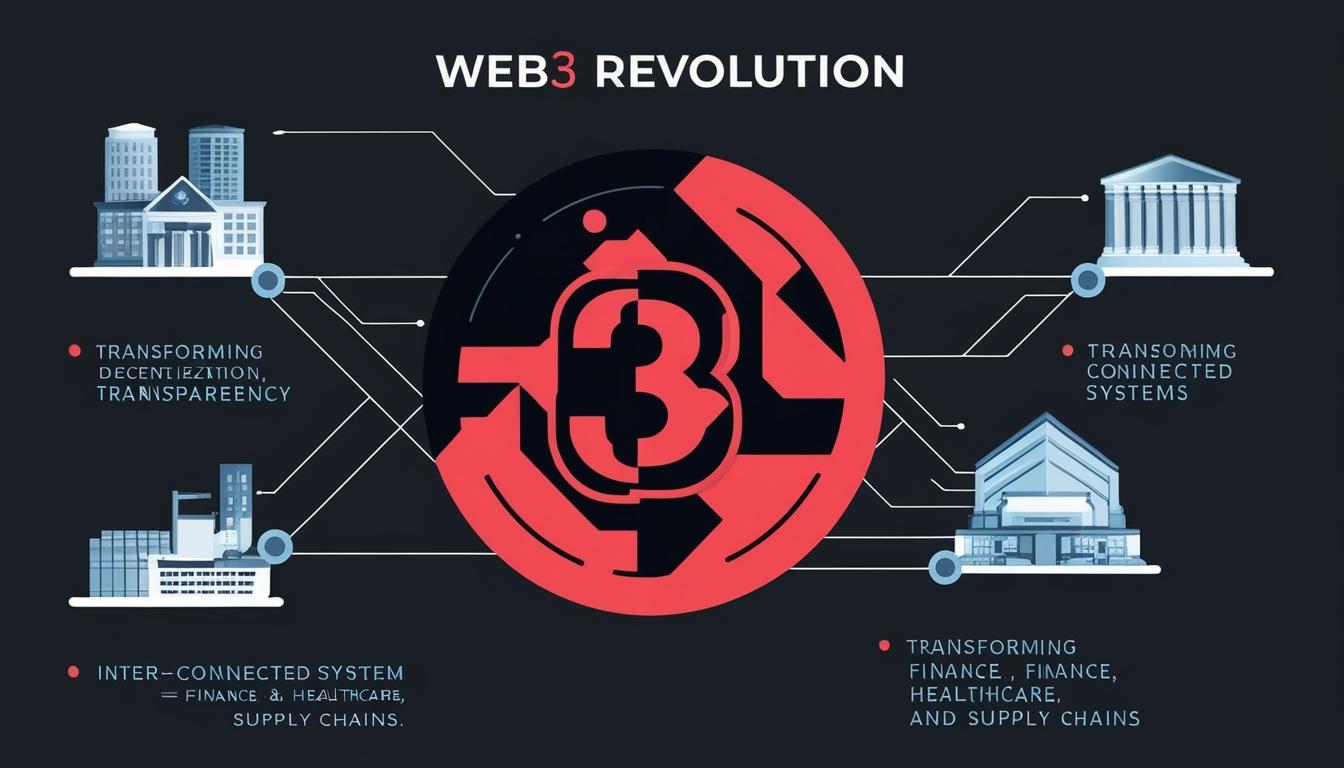
The emergence of Web3 technology is increasingly being recognized as a transformative force in various sectors, fundamentally changing how businesses, individuals, and government entities interact. Built on blockchain technology, this new internet architecture emphasises decentralisation and transparency, aiming to empower users while streamlining business processes.
One notable proponent of this shift is Richard Teng, CEO of Binance, who elaborated on the company's vision in an interview with Global Banking & Finance Review, stating, “Our goal is to expand Binance into a global leader that operates with the highest standards of compliance and transparency. We are working closely with regulators worldwide while driving innovation in Web3 and financial inclusion." This ambition sets the stage for a more inclusive financial ecosystem through Decentralized Finance (DeFi) platforms that eliminate traditional banking layers, allowing for peer-to-peer transactions.
The DeFi landscape is experiencing remarkable growth; in 2021, the market was valued at $3.2 billion, with projections estimating it will reach $81.5 billion by 2030. This includes lower fees and instantaneous transactions facilitated by smart contracts and decentralised applications (DApps). Such advancements provide unprecedented access to financial services for previously excluded populations, particularly in developing countries.
One illustrative example of this is the Celo platform. This solution enables individuals to save and transfer money using only a smartphone and a cryptocurrency wallet, circumventing conventional payment processors that typically impose high fees. This innovation not only addresses the banking needs of the unbanked but also supports emerging lending mechanisms, leveraging liquidity pools to aid those in need.
Web3 technology is extending its influence into other critical sectors, including healthcare. This industry has long struggled with privacy issues, inefficiencies, and varying costs. Through blockchain, patients can gain control over their medical records with self-sovereign identities on platforms like MediBloc, facilitating seamless data sharing among healthcare providers without the burdensome need for human oversight and extensive paperwork. Such improvements can potentially reduce operational costs while enhancing patient options and care responsiveness.
The supply chain management sector is also witnessing a significant evolution through Web3. Traditionally plagued by inefficiencies and fraud, supply chains can leverage smart contracts to automate the myriad processes involved in goods transportation and logistics. With the immutable nature of blockchain, traceability is notably simplified, allowing stakeholders to fully understand the supply chain journey and address disputes effectively.
Several major corporations have already begun integrating Web3 technology into their operations. For example, IBM Food Trust utilises blockchain to monitor the journey of perishable food items, enhancing compliance and reducing waste. Starbucks has incorporated storytelling into its brand narrative through Web3, revealing the complete journey of its coffee products from farm to consumer. Meanwhile, Nike's .Swoosh platform enables the tokenisation and authentication of its sneakers, providing customers with a secure method to avoid counterfeits.
As Web3 continues to evolve and gain traction, its full potential is yet to be realised. The technology is not only enhancing efficiencies across sectors but also presenting new opportunities for innovation, growth, and collaboration. With the prospect of interoperability integrating different aspects of our lives, the continued adoption of Web3 could pave the way for a more interconnected and transparent future. This period marks a significant shift in how stakeholders across industries are embracing new technologies to improve operations and service delivery.
Source: Noah Wire Services