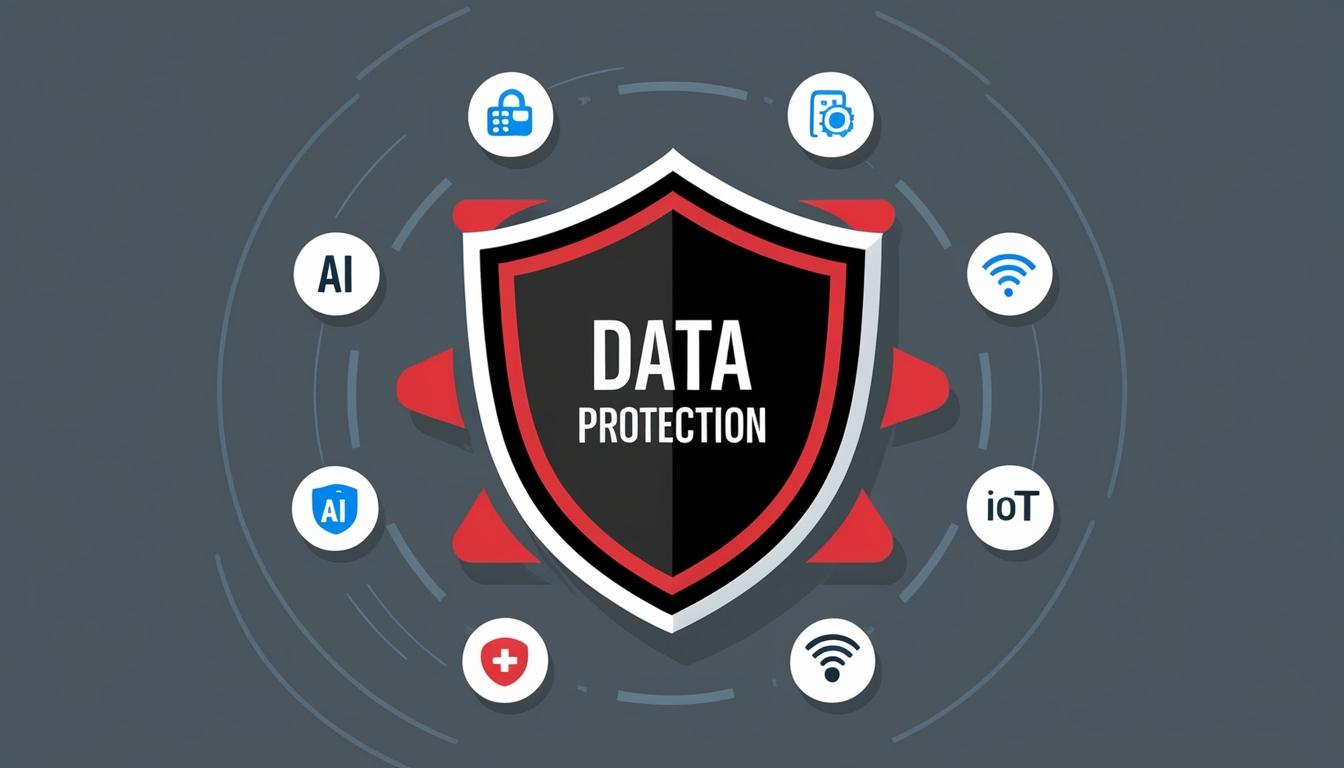
Facility managers play an essential role in ensuring patient privacy within the healthcare sector, particularly in light of the challenges and opportunities presented by emerging technologies such as artificial intelligence (AI) and the Internet of Things (IoT). The growing importance of data security reflects an evolving landscape where the protection of sensitive patient information is more critical than ever.
Recent findings underscore the urgency surrounding patient data protection. Cyber threats targeting healthcare data are increasingly sophisticated, with breaches potentially costing organisations an average of $10.93 million per incident in 2022-2023. Such figures exemplify the necessity for healthcare facilities to adopt comprehensive security measures. Phil Rutherford, Security Officer and Director of Global Data Center Services at Swisslog Healthcare, highlighted this concern, stating, "As a data and security expert in the healthcare industry, I’ve witnessed firsthand the growing challenges we face in protecting patient information from sophisticated cyber threats."
Implementing a robust suite of security solutions is imperative for healthcare providers looking to build trust with their patients. The rise of digital health records has led to an exponential increase in the volume of data needing protection, making effective measures crucial. Facility managers, along with data and security experts, are tasked with ensuring that patient privacy standards are rigorously maintained across their organisations.
Key measures that can enhance the security landscape include technical, physical, and administrative safeguards. Technical safeguards such as firewalls, encryption, and multi-factor authentication for systems accessing patient data form the first line of defence. Regular security audits and penetration testing serve to proactively identify and address vulnerabilities.
On the physical front, it is vital to secure areas housing sensitive information. Access control to server rooms and workstations must be meticulously managed, alongside safeguarding mobile devices, which are often at risk of loss or theft. In terms of administrative measures, comprehensive training is essential for all staff members, ensuring that everyone from healthcare professionals to support staff understands their role in safeguarding patient privacy.
Emerging technologies, while presenting new threats, also offer new opportunities for enhancing data security. Continuous awareness and adaptation to advancements in AI and IoT are necessary for maintaining a secure environment. Facility managers should also seek out security certifications to affirm their commitment to data protection. Certifications such as HITRUST, which is viewed as a gold standard for patient privacy, involve rigorous assessments and require ongoing compliance, ultimately strengthening the integrity of healthcare organisations.
The ongoing commitment to data security is underscored by the requirement for annual reassessment, particularly for certifications like HITRUST. This continuous improvement process not only helps facilities stay ahead of evolving threats but also reinforces the trust patients place in their healthcare providers.
In summary, the safeguarding of patient privacy is a critical priority for healthcare facilities, particularly as the sector navigates an increasingly digital landscape. With the insights from experts like Phil Rutherford, who has successfully led security upgrades and certification initiatives at Swisslog Healthcare, facility managers are reminded of the importance of a proactive and informed approach in the ongoing quest to protect sensitive patient information.
Source: Noah Wire Services