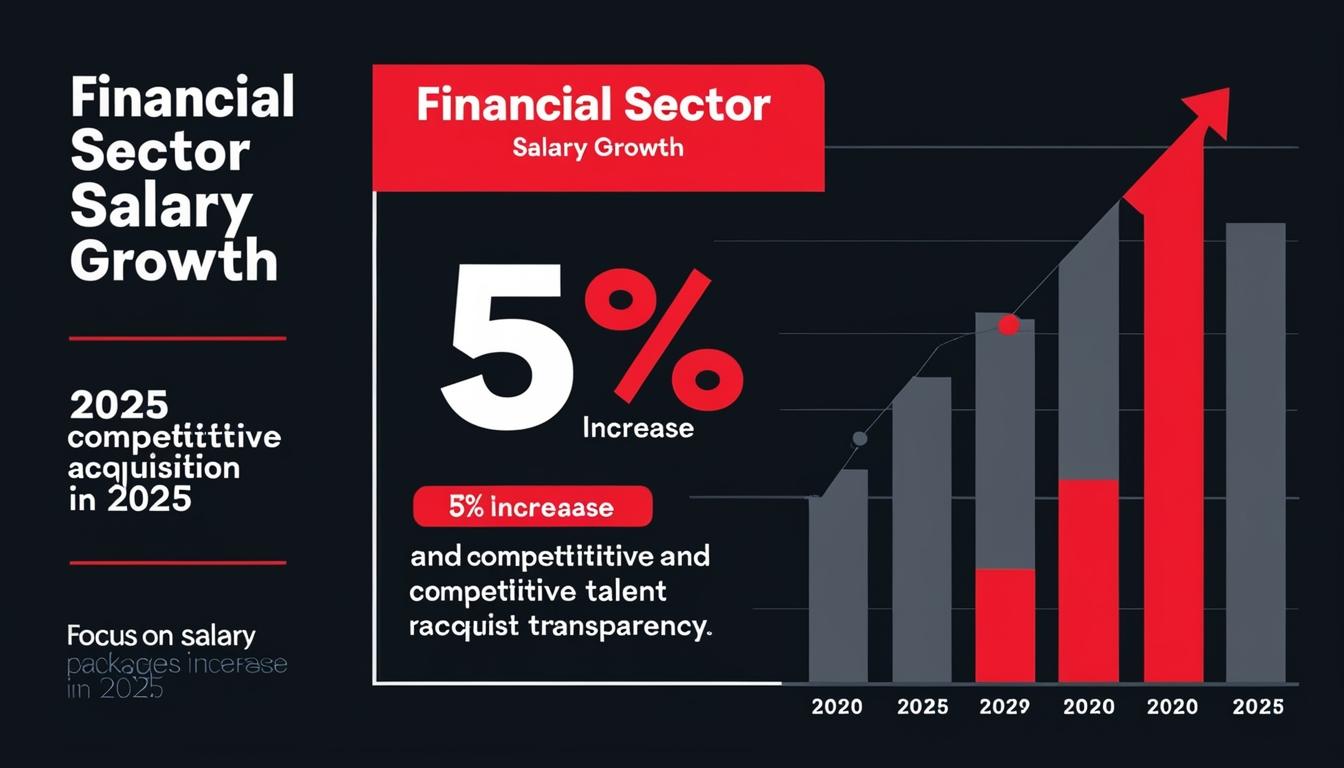
New research conducted by the UK-based pay and reward consultancy, 3R Strategy, suggests that the financial sector is poised for the most significant salary growth in 2025, with projected budget increases of 5%. This figure is 1.5% above the average expected across the UK. The findings were outlined in the latest edition of the Global Salary Planning Report, which aggregates data and insights from over 40 countries and encompasses 20 different industries.
The report consists of detailed analyses of salary budgets for 2024 while offering predictions for 2025, alongside data on pay transparency, communication strategies, performance-related remuneration, the use of salary data, and the reporting of gender pay gaps. As most sectors, including manufacturing, retail, and FMCG, forecast lower wage increases in 2025 compared to 2024 allocations, the financial services sector stands out with a consistent pay budget increase of 5%, marking it as the highest among all evaluated industries.
The increasing competition for skilled professionals, particularly in risk management, compliance, and technology, is driving firms within the financial sector to present more attractive salary packages to both attract and retain top talent. Speaking to The Fintech Times, Rameez Kaleem, founder and managing director of 3R Strategy, commented, “The fact that financial services are set to lead the way in wage growth projected for next year comes as no surprise. There are several factors at play, including intense competition for talent, retention of key technical skills, and overall economic recovery. It will be interesting to see if the recent Autumn Budget affects these plans and how the sector responds.”
In relation to the recent Autumn Budget, the government announced a 6.7% increase in the National Living Wage to take effect from April 2025. This adjustment surpasses the proposed pay budget increases for that year. Employers will need to consider this rising National Living Wage when planning salary increases, as entry-level positions, which rely on this wage, will compulsorily require the bolstered rate.
Additionally, the Autumn Budget also includes a rise in employer National Insurance Contributions (NIC) from 13.8% to 15%, though the specific impact on pay budgets remains uncertain. As a response, some organisations may consider making adjustments to their overall pay budgets to offset these costs.
The report also highlights improvements in pay communication within organisations, as nearly two-thirds (64%) of respondents indicated they have established clear pay principles and processes. Despite this advancement, further enhancement is necessary in communicating these principles effectively to foster trust and understanding among employees. Although 57% of companies engage in some form of pay communication, the report notes that many still fail to adequately convey this vital information, with 35% not communicating pay details to their teams at all.
Regarding pay transparency, there is a notable trend toward increased awareness of its importance; 66% of organisations display pay ranges in their job advertisements in select countries. This practice aligns with the EU Pay Transparency Directive, which aims to promote pay transparency across the European Union, though it does not apply directly to the UK due to Brexit. However, there remains a gap, with 29% of respondents still omitting salary ranges when posting open positions, which may limit their ability to attract a broader and more talented candidate pool. Additionally, over half (51%) of organisations continue to request candidates’ current salaries, a method that can perpetuate pay inequalities and hinder diversity initiatives.
Lastly, while gender pay gap reporting is mandatory for certain countries, including the UK, a move towards more detailed reporting by job level is gaining traction in other regions under the EU Pay Transparency Directive. Presently, only 28% of companies disclose gender pay gaps by job level, which could illuminate troubling trends obscured in organisation-wide figures.
Overall, 3R Strategy's insights signal a significant moment for businesses in adapting their salary structures and communication strategies as they navigate competitive landscapes and evolving regulatory frameworks in pay practices.
Source: Noah Wire Services