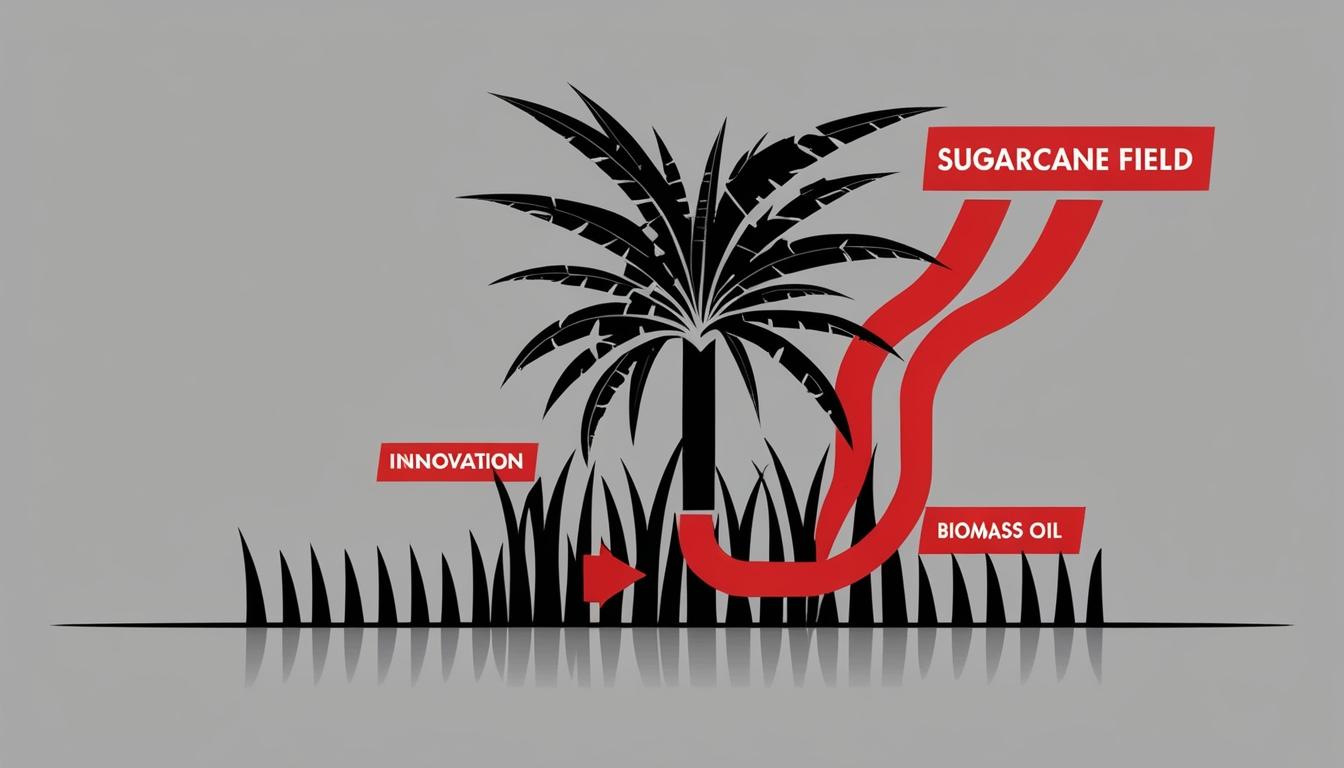
Unilever, one of the world’s largest consumer packaged goods companies, has announced its collaboration with Australian agtech firm Nufarm to develop sustainable biomass oils sourced from the entire sugarcane plant. This initiative is part of Unilever’s broader strategy to eliminate fossil fuels from its cleaning and beauty product lines by 2030, in a concerted effort to reduce its carbon footprint significantly.
This strategic partnership is poised to address the environmental concerns associated with petroleum-derived surfactants, which are commonly used in various cleaning products. Unilever, known for brands such as Domestos, Persil, Sif, and Comfort, highlighted that nearly 46% of its overall carbon footprint stems from the chemicals used in these products. By transitioning to plant- and algae-derived ingredients, Unilever aims to decrease its climate impact by 20%.
The financial commitment to this innovative project involves millions of euros as Unilever works in tandem with Nufarm to cultivate a new sugarcane variety designed for enhanced biomass production. Current sugarcane crops primarily yield sugar, but this new strain will produce fatty acids vital for Unilever’s product formulations across its laundry detergents and beauty products.
Nufarm has previously pioneered a sugarcane variety known as energy cane, which offers multiple sustainability benefits, such as improved climate stress tolerance and enhanced drought resilience. Brent Zacharias, the group executive at Nufarm, remarked, "We can take existing, high-biomass crops, and dramatically increase the amount of oil that can be produced in their leaves, and turn them into oil factories."
This partnership aims not only to develop biomass oil but also to ensure the entire plant is utilised efficiently. Neil Parry, Unilever’s head of biotechnology, noted that the initiative intends to produce more than one ingredient from the plant, optimising resource use and minimising waste. Excess sugar can be diverted for use in biotech processes to create fragrances and speciality cleaning products, while leftover plant fibre may potentially be repurposed for packaging materials and renewable energy solutions.
Unilever’s commitment to achieving net-zero emissions across its value chain by 2039 has faced scrutiny, with some critics labelling the targets as vague and challenging to measure. In recent months, the company has re-evaluated several of its sustainability goals, including delaying its initiatives to ensure 100% of plastic packaging is reusable or recyclable by 2025. Furthermore, it has reduced its ambitions regarding the sustainable sourcing of key crops from 100% to 95% and reconfigured its broader environmental initiatives following feedback from investors and stakeholders.
As Unilever shifts its focus, it has begun streamlining its operations by divesting from several brands that do not align with its core business strategy. This includes the recent move to put its meat-alternative brand, The Vegetarian Butcher, up for sale. Despite the challenges ahead, Unilever and Nufarm’s partnership signals a significant step towards innovation and sustainability within the consumer goods industry, showcasing the potential for biotechnology to transform traditional agricultural practices.
Source: Noah Wire Services