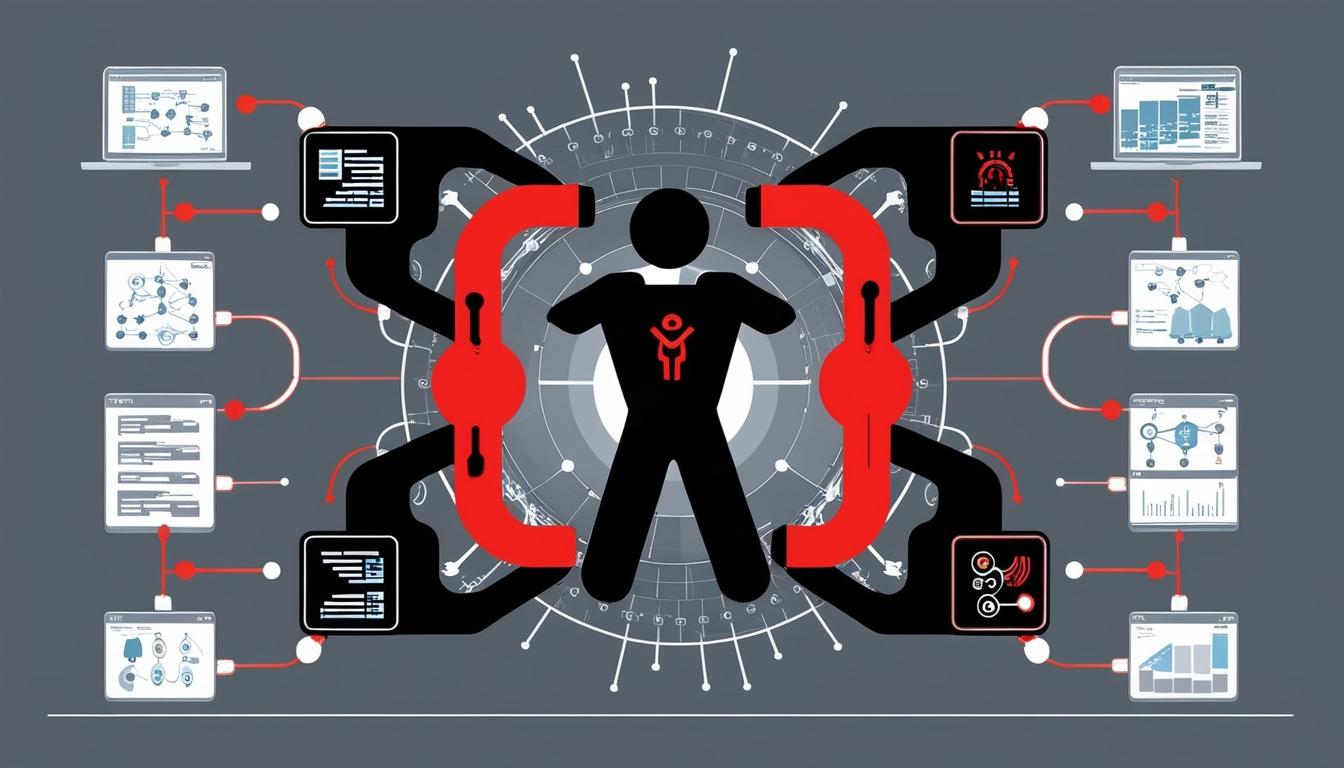
At the QCon San Francisco Conference 2024, Victor Dibia of Microsoft Research presented an in-depth analysis of the challenges associated with building multi-agent systems that leverage generative AI models. His talk shed light on the significant potential such systems offer, while simultaneously addressing the complexities that often hinder their success in real-world applications.
Dibia drew from experiences with AutoGen, an open-source framework designed for multi-agent workflows, to highlight the common pitfalls these systems encounter and propose strategies for enhancing their reliability. Throughout his presentation, he outlined ten principal reasons that contribute to the failure of multi-agent workflows. Some of the insights included the necessity for agents to receive detailed instructions, the importance of avoiding smaller, less capable models, and the critical alignment of tasks with the capabilities of large language models (LLMs). Furthermore, Dibia advocated for equipping LLMs with effective tools, defining clear stopping criteria for agents, utilising multi-agent patterns, and incorporating memory into agent workflows.
Dibia emphasized the importance of metacognition, task-specific evaluations, and mechanisms that allow agents to delegate tasks to human operators when needed. He underscored that agents, which are often propelled by LLMs, heavily rely on precise and comprehensive prompts to operate effectively. Inaccurate guidance can lead to misinterpretation of tasks or generation of erroneous outputs, while the employment of less capable models can hinder the execution of complex tasks.
"Autonomous multi-agent systems are like self-driving cars: proof of concepts are simple, but the last 5% of reliability is as hard as the first 95%," Dibia remarked, highlighting the intricate nature of achieving reliable outputs within these systems.
He also touched on the technical challenges of orchestration—the coordination and delegation of tasks among agents—stressing that poorly defined workflows can result in inefficiencies or failures. Moreover, he pointed out that many agents often fail to retain proper memory, leading them to forget prior interactions and replicate mistakes in future tasks. “The complexity of multi-agent systems grows exponentially as you add more agents. Success requires careful design and constant iteration,” he maintained.
Another significant concern raised by Dibia was the absence of well-defined termination conditions, which can cause agents to operate indefinitely, thus wasting computational resources. He cautioned against granting agents excessive autonomy to execute critical actions without human oversight, recommending the implementation of safeguards to evaluate the costs and potential risks of their decisions and the necessity for human intervention.
Scalability was also a focal point of his discussion. Dibia stressed the need for robust infrastructure and the application of observability tools to facilitate debugging and monitoring, both essential for effective management of multi-agent systems.
For those interested in learning more about Victor Dibia's insights and work, resources on the AutoGen GitHub repository are available, and a recording of his presentation from QCon San Francisco is anticipated to be accessible on the conference’s official website in the forthcoming weeks.
Source: Noah Wire Services