Zimbabwe's Finance Minister, Professor Mthuli Ncube, presented the 2025 National Budget on Wednesday, aiming to foster economic resilience through a range of proposed taxes and regulatory changes. The theme, “Building Resilience for Sustained Economic Transformation,” garnered mixed responses from the public, particularly due to concerns surrounding proposed tax increases in an already challenging economic landscape.
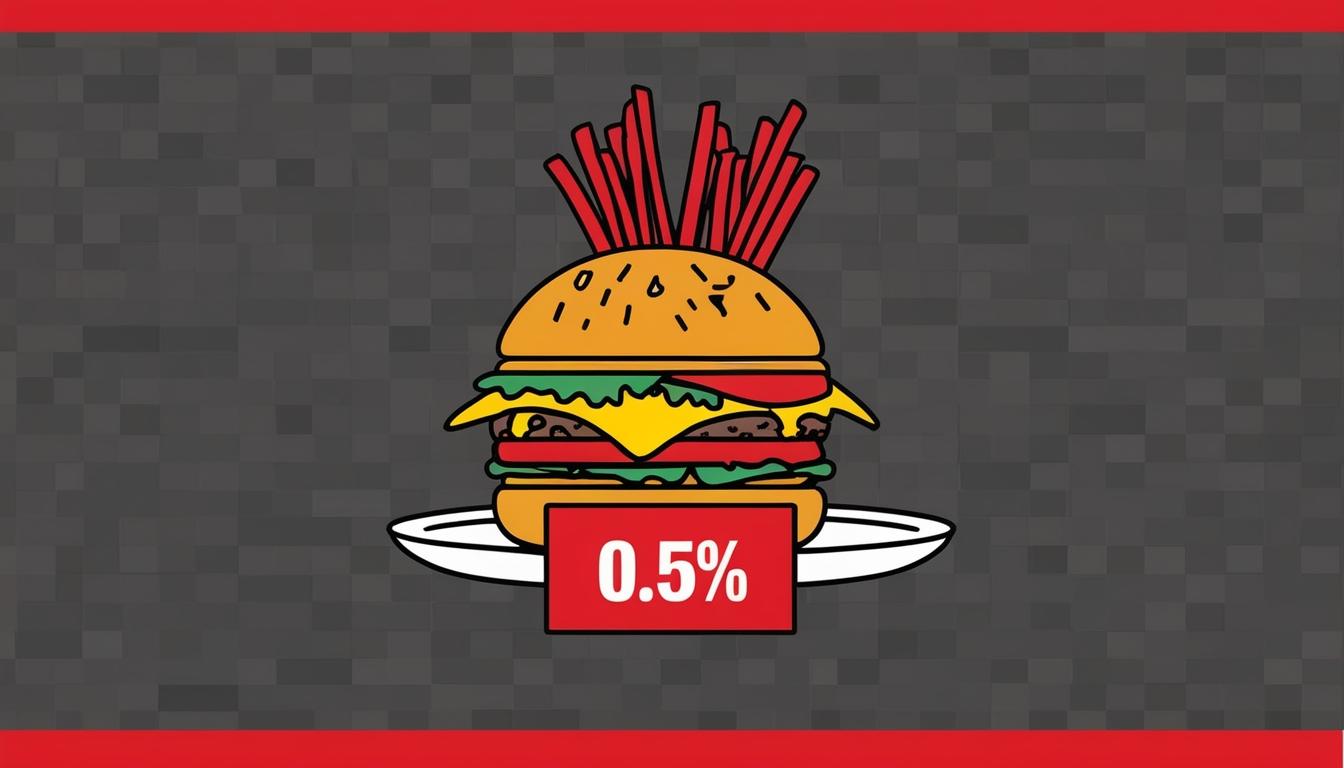
One of the most contentious proposals is the introduction of a "Fast Foods Tax." This tax, set at 0.5% on the sales value of specific food items sold by fast-food outlets and restaurants, will come into effect on 1 January 2025. Among the items subject to this new tax are shawarmas, French fries, fried chicken, doughnuts, tacos, burgers, hot dogs, and pizza. During his budget speech, Minister Ncube indicated that the tax aims to "promote responsible consumption" of highly processed foods, which are linked to rising obesity rates and related health issues. The announcement has not been well received among Zimbabweans, who already grapple with a high tax burden and are apprehensive about the added financial strain.
Zimbabwe's economy is marked by a significant informal sector, complicating efforts to expand the tax base through traditional methods. Minister Ncube also announced mandatory registration for Corporate and Personal Income Tax for various informal operators, including fabric and clothing merchants, car dealers, and grocery store proprietors. This move targets sectors that contribute substantially to the economy, as independent used car dealers account for over 90% of vehicle imports, which primarily come from places like Japan and the United Kingdom. The finance minister revealed that between January and September 2024 alone, Zimbabwe imported $527 million worth of vehicles, contributing to an annual import bill of approximately $8 billion.
Despite the focus on increased taxation, there were also positive developments, particularly for the electric vehicle (EV) sector. Currently, electric vehicles are subject to a customs duty of 40%, similar to internal combustion engine (ICE) vehicles. However, starting from 1 January 2025, this rate will be reduced to 25%, a change that aims to stimulate adoption of EVs in the country. The minister also highlighted that electric tractors currently have a customs duty of 0%, which he noted as a beneficial provision to encourage their use in agriculture.
To further support the EV sector, Ncube proposed extending a rebate of duty on equipment necessary for establishing solar-powered charging stations, also effective from 1 January 2025. This move is viewed as a strategic initiative to encourage the development of charging infrastructure, particularly in off-grid areas where such facilities can enhance access to EVs and alleviate concerns surrounding range anxiety.
The minister cited successful examples from neighbouring South Africa, where solar-powered charging stations are becoming more commonplace. These include a recently established facility in Wolmaransstad, which features multiple fast-charging points powered by solar energy—a model that could be beneficial for Zimbabwe as it seeks to expand its EV infrastructure.
Overall, the budget announcement reflects a dual focus on increasing state revenue through new taxes while also fostering sustainable development in key sectors like electric vehicles. The response from the public and the impacts of these measures will unfold in the coming months as they begin to take effect.
Source: Noah Wire Services