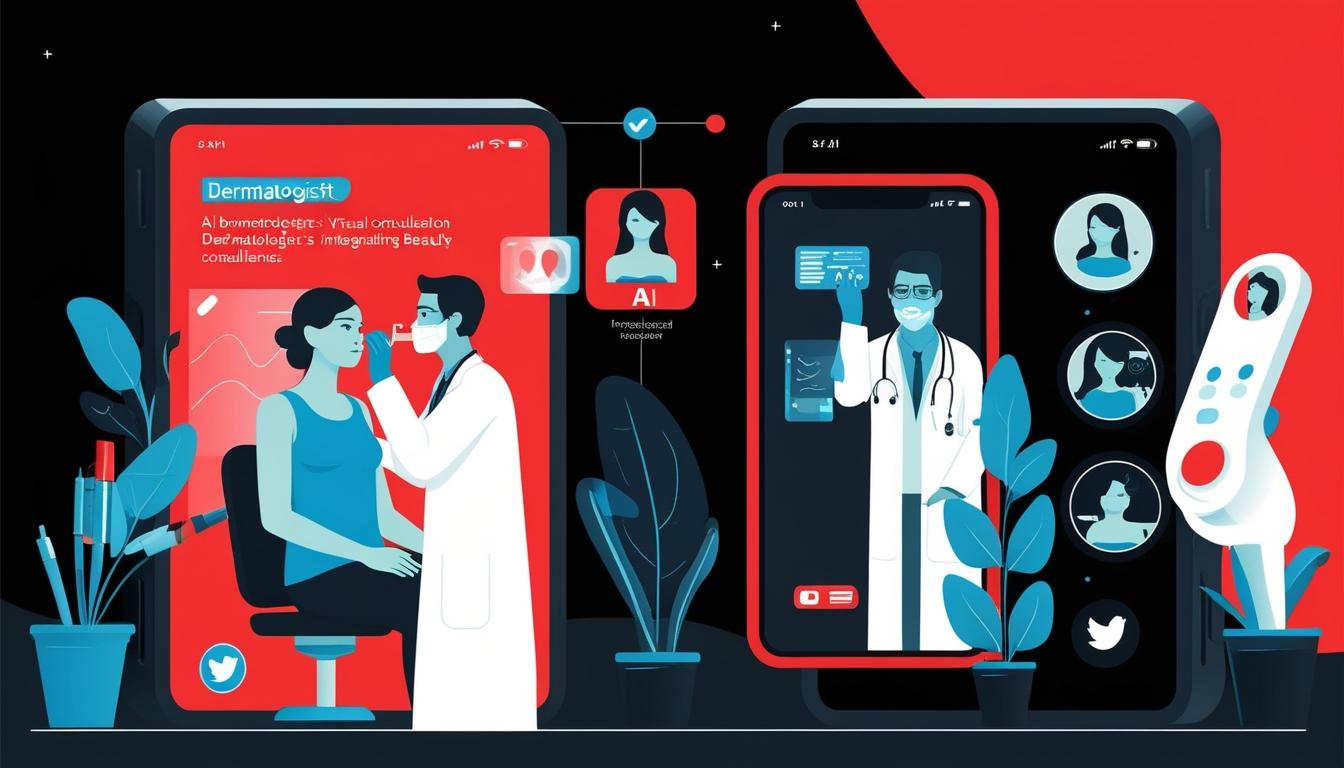
The intersection of technology and cosmetic dermatology is reshaping how patients perceive beauty and interact with dermatologists. An editorial published in the Journal of Clinical Medicine by Neelam Vashi, MD, associate professor of dermatology at the Boston University Chobanian & Avedisian School of Medicine, delves into these emerging trends and the implications for patient care.
Vashi asserts that "the marriage of innovation, social media, and telehealth consultations has changed how patients perceive and seek beauty and how they engage with dermatologists." She highlights the role of technology as an empowering tool that celebrates individuality rather than distorting it. Technologies such as artificial intelligence (AI), augmented reality, and high-resolution imaging are now pivotal in cosmetic dermatology, expanding the potential offerings available to patients. These advancements provide patients with a visual representation of anticipated results, enhancing their engagement with treatment options.
However, Vashi is cautious about the challenges posed by these technologies. "While AI can generate recommendations based on an enormous amount of data in seconds, it cannot fully account for the complexity and unpredictability of human skin and response to treatment," she states. This underscores the importance of the dermatologist's expertise in interpreting the outputs generated by AI tools.
Moreover, the influence of social media on cosmetic dermatology practice cannot be overlooked. Vashi describes the "social media effect" as a double-edged sword. On one hand, it grants users quick access to information and personal experiences regarding treatments; yet on the other, it allows unqualified influencers to disseminate skincare advice that could be detrimental. The challenge remains for dermatologists to guide patients in navigating this landscape filled with information, some of which may be misleading.
Vashi emphasizes the role of telemedicine in expanding access to care, though she warns of its limitations. She notes that certain conditions and procedures necessitate in-person consultations to ensure safety and accuracy. "Relying solely on virtual tools misses valuable information that can only be obtained by seeing the patient in person," she explains. According to Vashi, dermatologists must strike a balance between the convenience offered by telehealth and the essential nature of in-person examinations to adequately address patient safety and cosmetic goals.
As cosmetic dermatology becomes more accessible via digital platforms, the need for increased awareness, patient education, and regulatory oversight intensifies. Vashi asserts that dermatologists play a crucial role in educating patients about the risks of self-administered treatments and the allure of unregulated online services. She advocates for patients to seek procedures from licensed professionals who comply with safety standards.
Ultimately, Vashi’s editorial touches on the relationship between digital beauty standards and their impact on mental health and self-esteem. She states, "Supporting our patients and understanding the effects of social media on their psyche is vital." She calls for continued research into the implications of digital tools in ensuring that they are used ethically while promoting a healthy perception of beauty in today's technological climate.
The discussion initiated by Vashi's editorial encapsulates the rapid evolution of cosmetic dermatology, driven by technological advancements, and raises critical considerations regarding patient safety, education, and mental health.
Source: Noah Wire Services