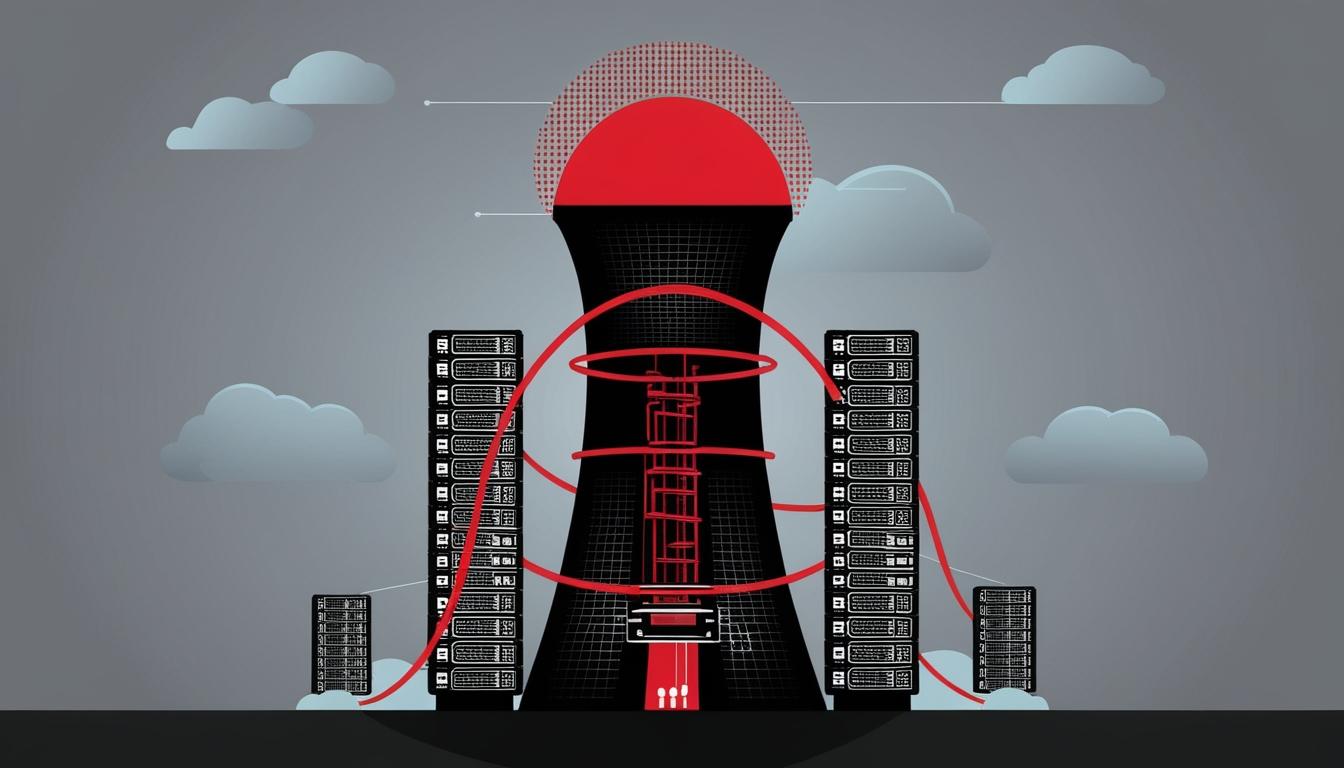
The rapid advancement of artificial intelligence (AI) technology is transforming business operations across various sectors, with forecasts suggesting an unprecedented growth trajectory. This evolution has sparked an increased demand for robust computing resources, particularly from hyperscalers—large data centres that utilise extensive networks of servers to deliver computing power and storage capabilities.
As highlighted by JPMorgan, the collective capital expenditures of major hyperscalers including Microsoft Azure, Meta, Amazon Web Services (AWS), Oracle, and Google Cloud, are anticipated to reach $191 billion by the end of 2024. This marks a significant rise from $126 billion in 2023 and a staggering increase from just $23 billion a decade ago. As AI technologies continue to develop, it is challenging to predict the financial investments that will be made over the next ten years.
The rise in energy demands from AI has turned the spotlight onto the energy sector, the largest contributor to carbon dioxide emissions globally. However, there is a notable shift within this sector towards investment in renewable energy sources such as solar, wind, geothermal, and hydropower. The International Energy Agency (IEA) projects that these low-emission energy sources will significantly reduce the reliance on fossil fuels, accounting for nearly half of the world's power generation by 2026. The role of nuclear energy, which emits minimal greenhouse gases, is poised to expand, particularly in light of growing global demands.
Currently, there are 440 operational nuclear reactors worldwide, with the United States operating 54 of these across 28 states. China leads with 55 active reactors, alongside an ambitious agenda that includes 30 under construction and multiple others planned or proposed. The acceleration of nuclear power generation is expected to reach new heights next year, surpassing the previous record from 2021, with significant contributions from nations such as China and Japan.
Noteworthy industry developments include the recent $1.52 billion loan guarantee from the Department of Energy, aimed at reviving the Holtec Palisades nuclear power plant in Michigan, which had ceased operations shortly after being acquired in June 2022. This initiative represents a significant move in support of restarting a nuclear facility in the United States.
Additionally, a strategic partnership was revealed when Talen Energy announced the sale of its hyperscale data centre located near the Susquehanna Steam Electric Station nuclear power plant to Amazon Web Services. AWS plans to construct 15 data centres on the expansive 1,600-acre property, directly tying energy production to data processing capabilities.
In a similar vein, Constellation Energy recently struck a deal with Microsoft to reactivate Unit 1 of the Three Mile Island nuclear facility in Pennsylvania, allocating its power output—835 megawatts—to support AI computing operations. While this site has historical significance due to the partial meltdown that occurred in 1979, the current initiative reflects a critical intersection of energy and technology.
The expansion of AI and its energy requirements do not come without concern, as exemplified by the historical context surrounding nuclear power and environmental impacts. The Chernobyl disaster in 1986 and the Fukushima meltdown in 2011 serve as salient reminders of the potential hazards associated with nuclear energy. Environmental issues also arise from other energy sources, such as oil spills and wildlife casualties related to wind turbines.
As the global population grows and the demand for energy escalates, the balance of energy generation methods—including fossil fuels, renewables, and nuclear energy—will be crucial in shaping a sustainable future. With advancements in AI continuing to unfold, this technology could potentially play a pivotal role in addressing and enhancing energy efficiency, heralding a new era of business practices and operational frameworks.
Source: Noah Wire Services